Judd
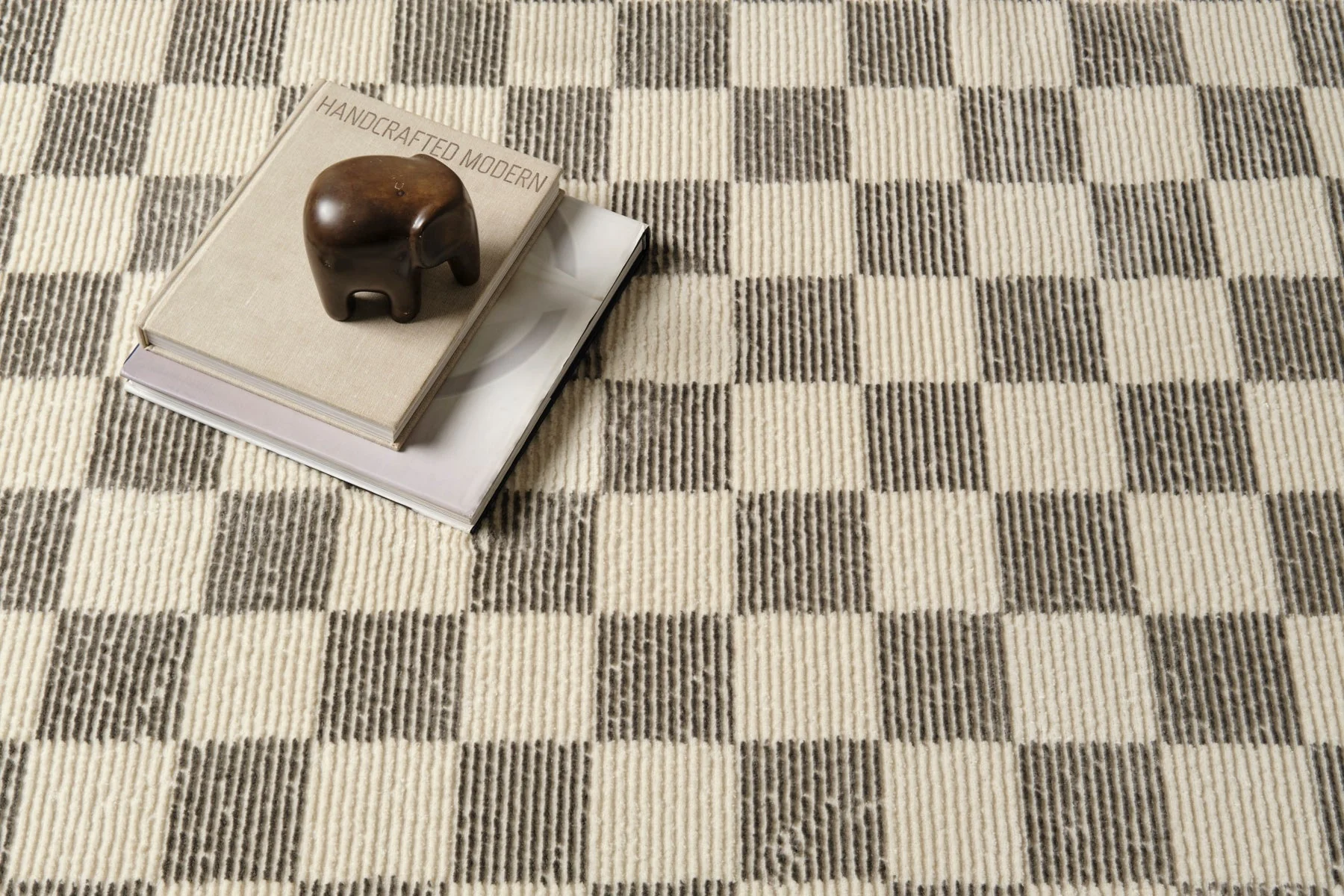
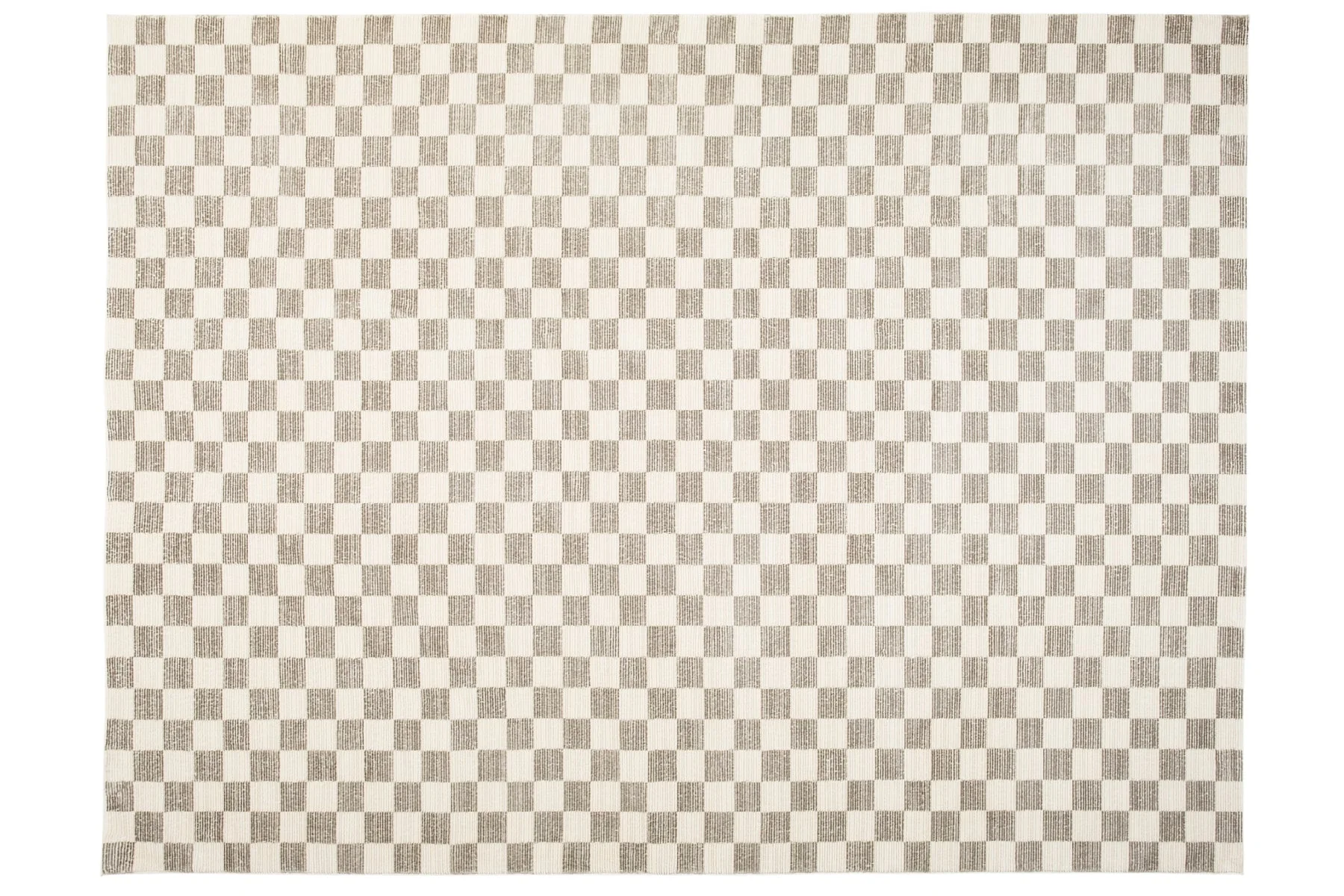
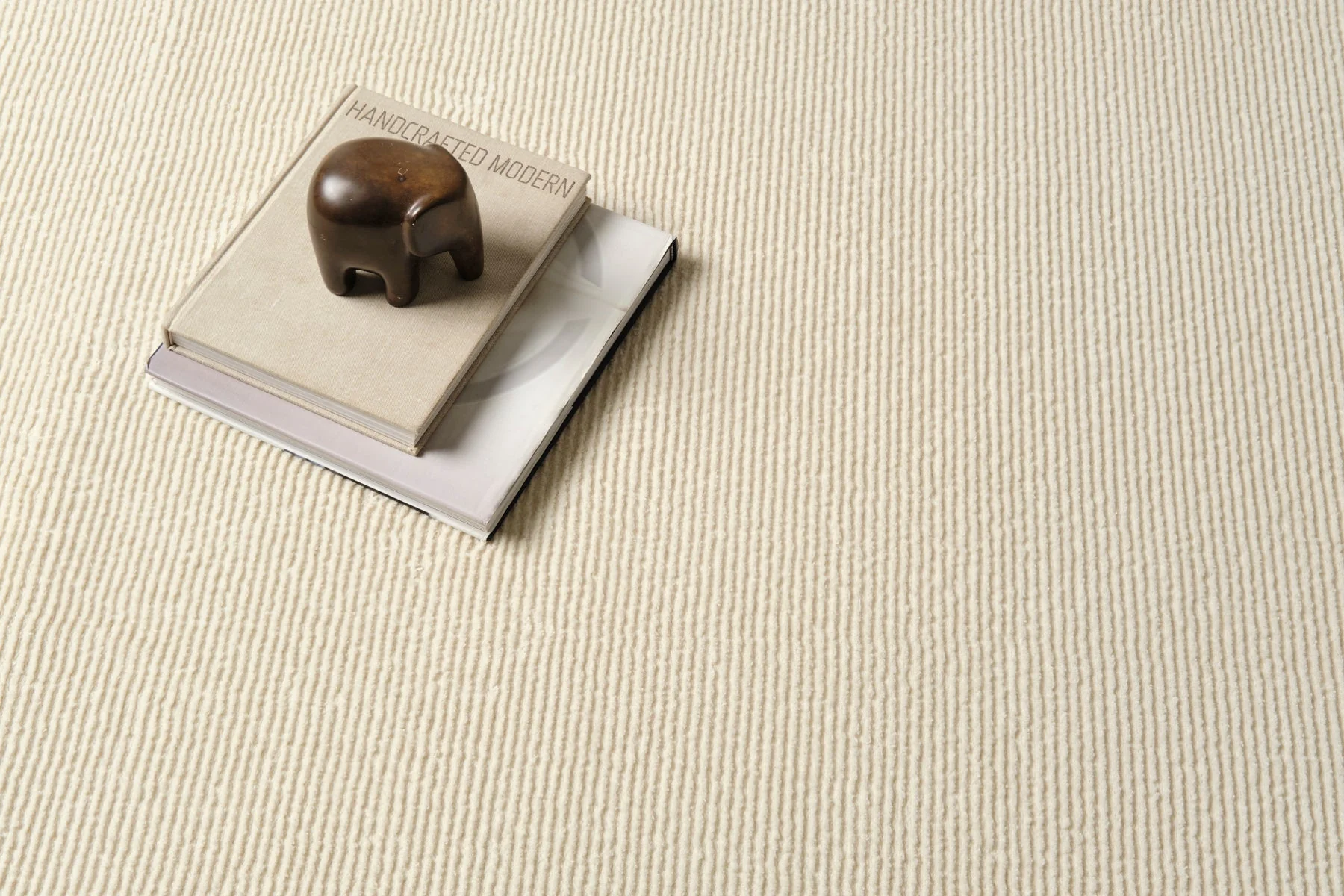
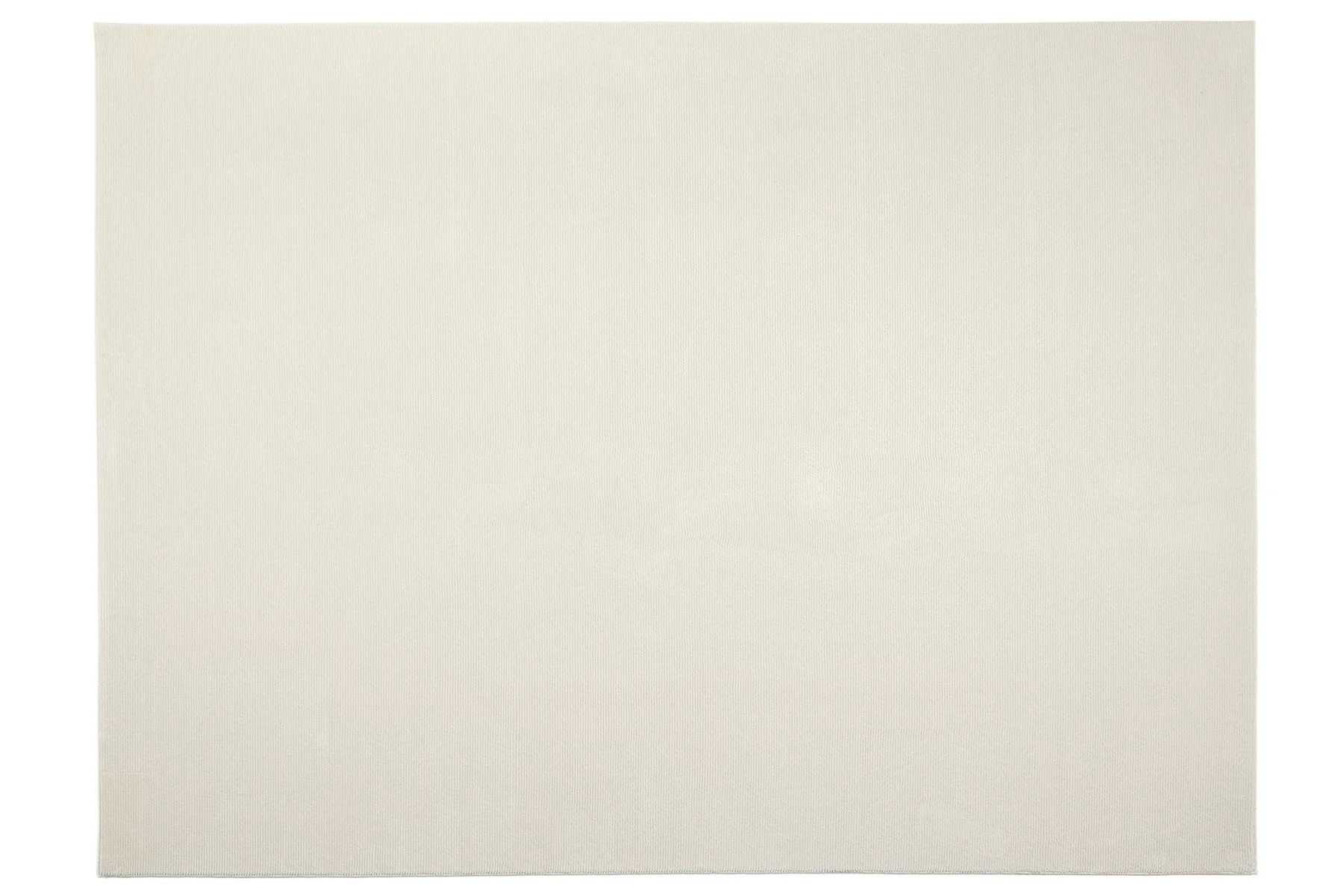
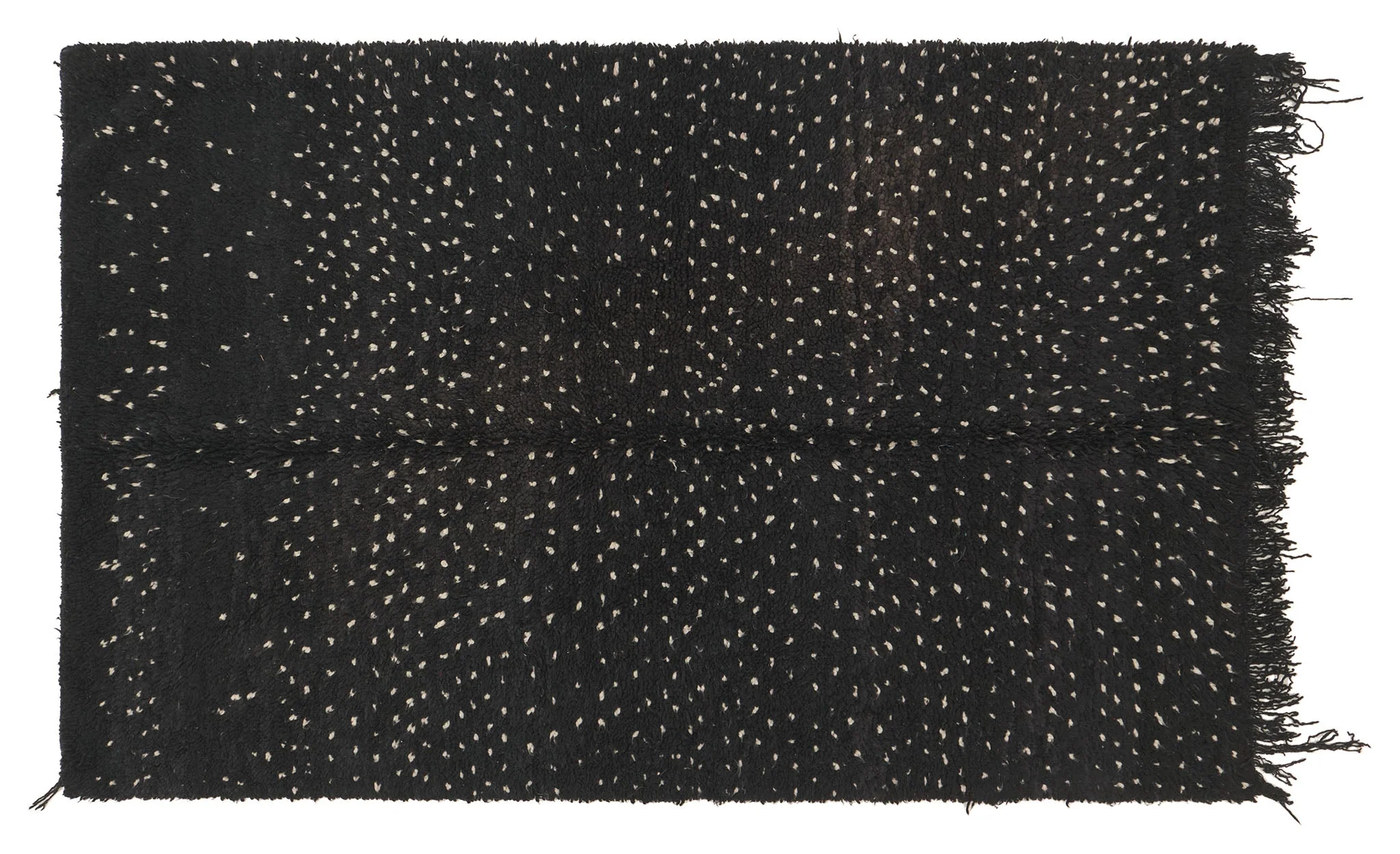
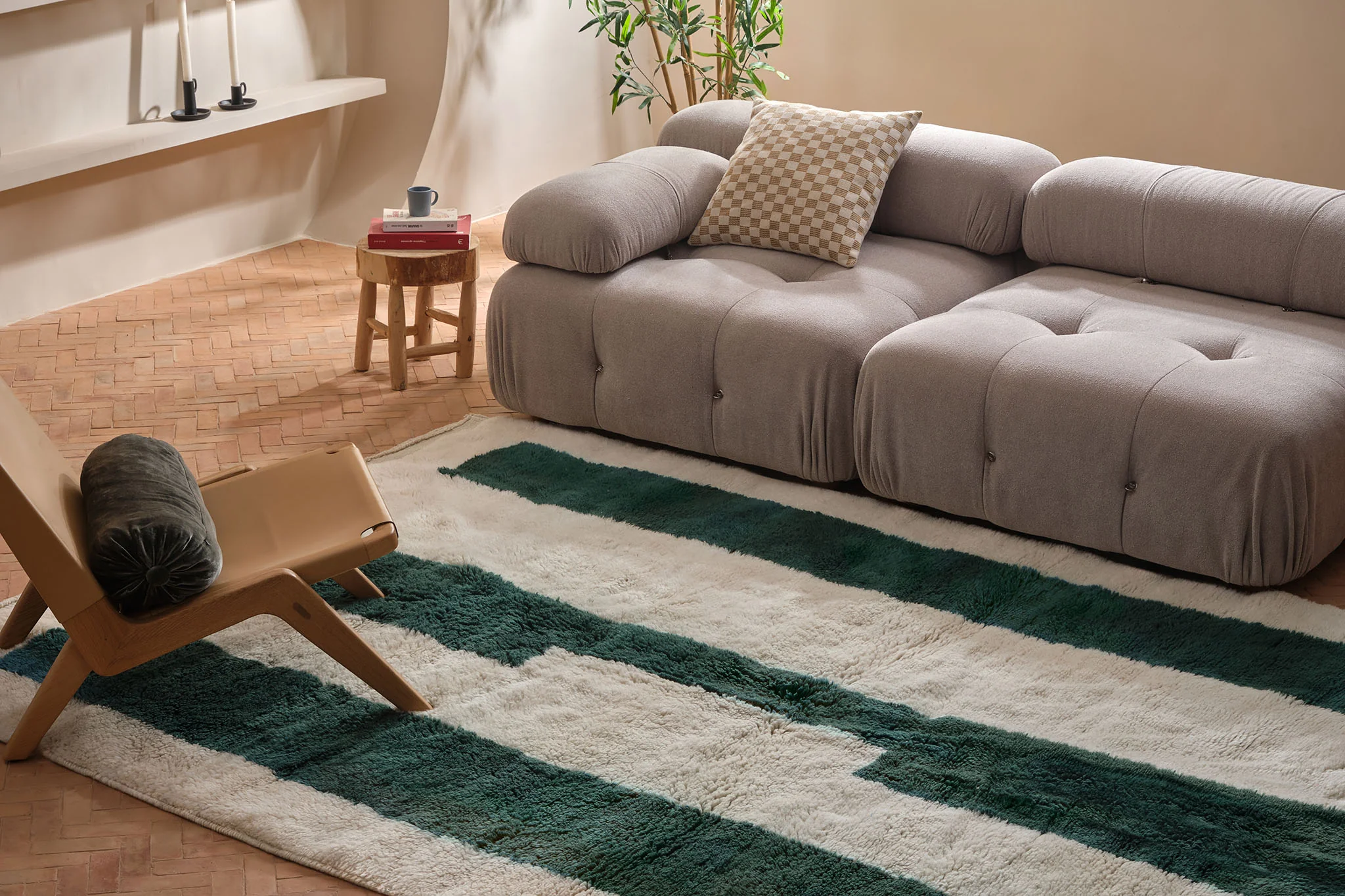
Custom hand-knotted Moroccan wool rug
- 100% wool
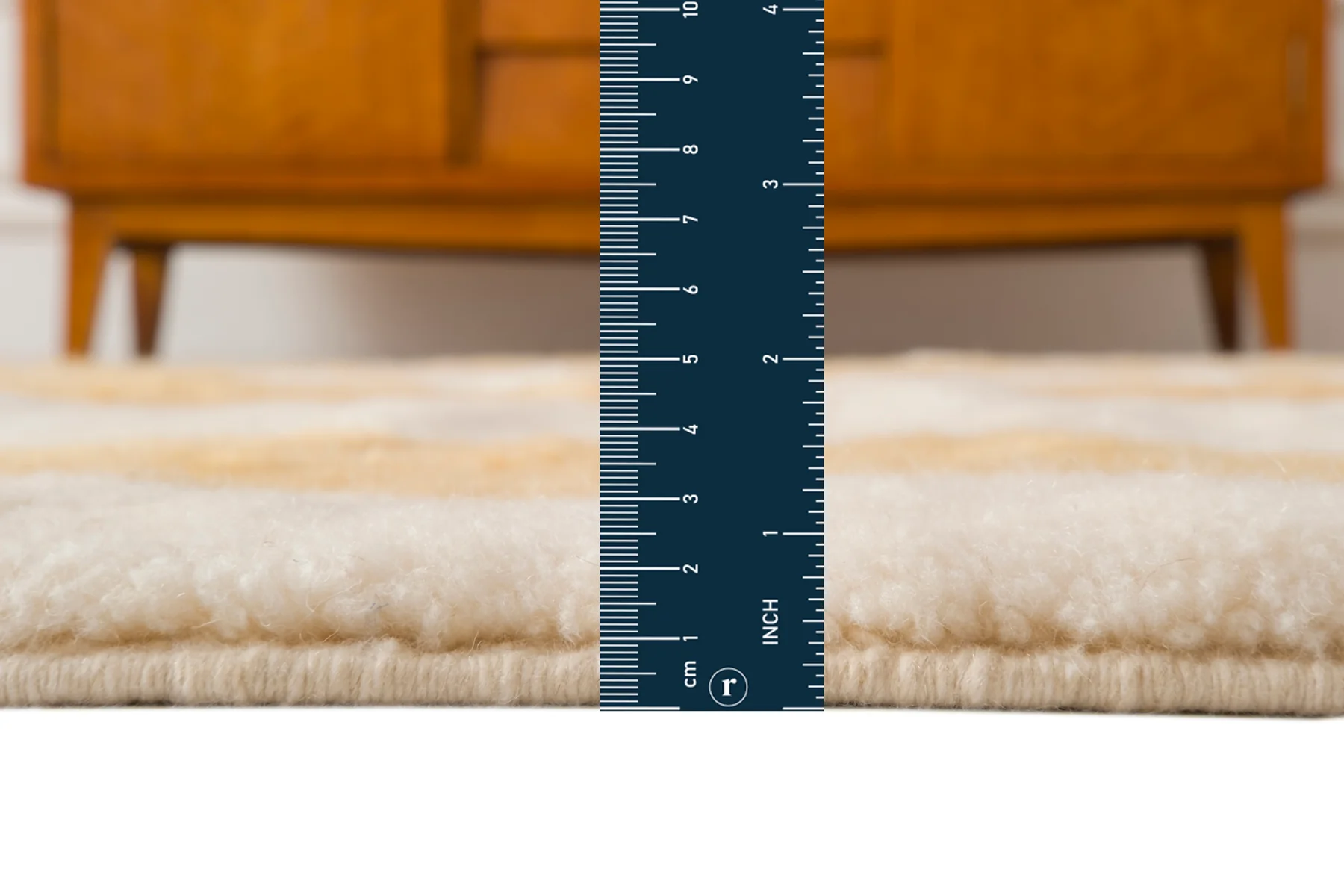
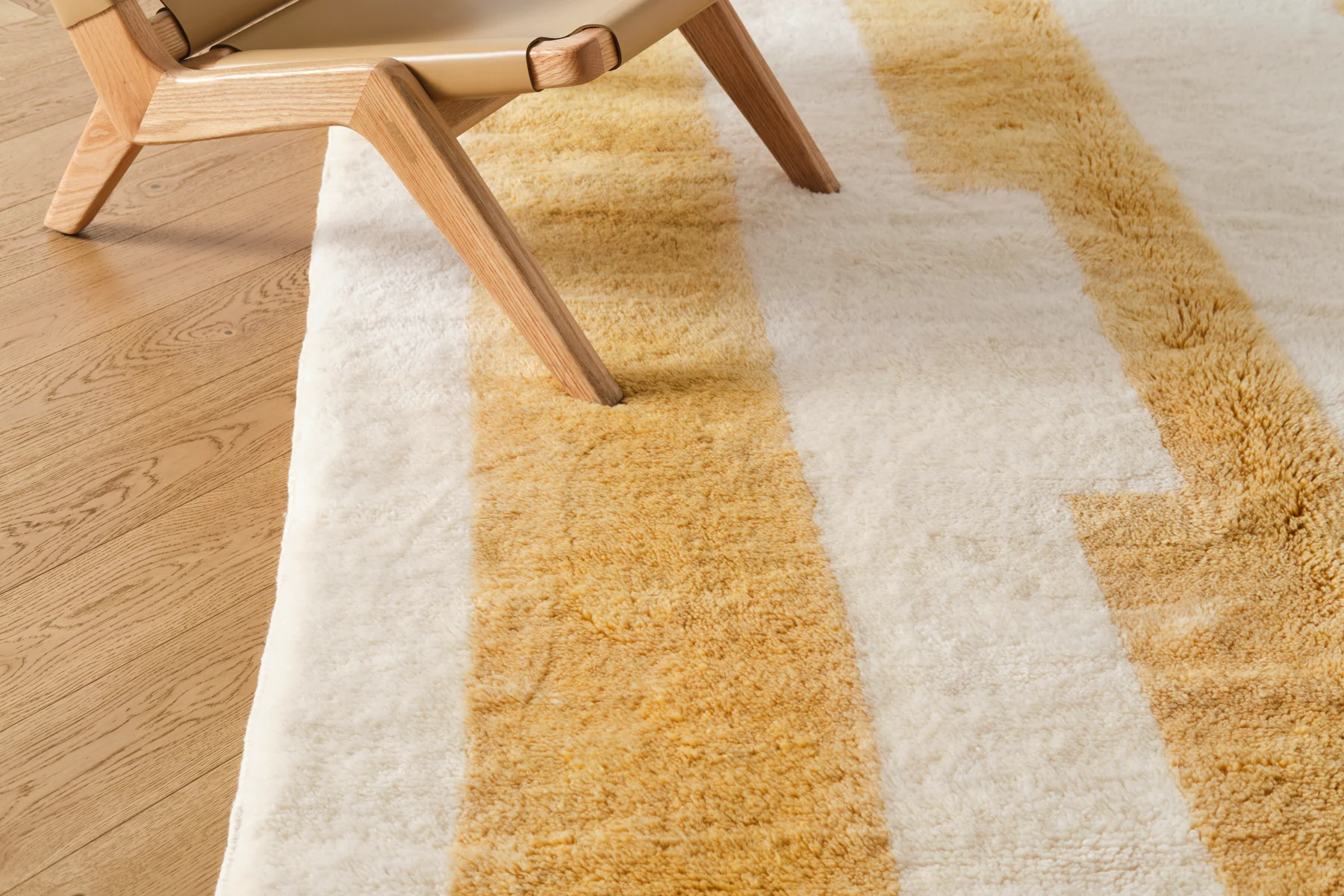
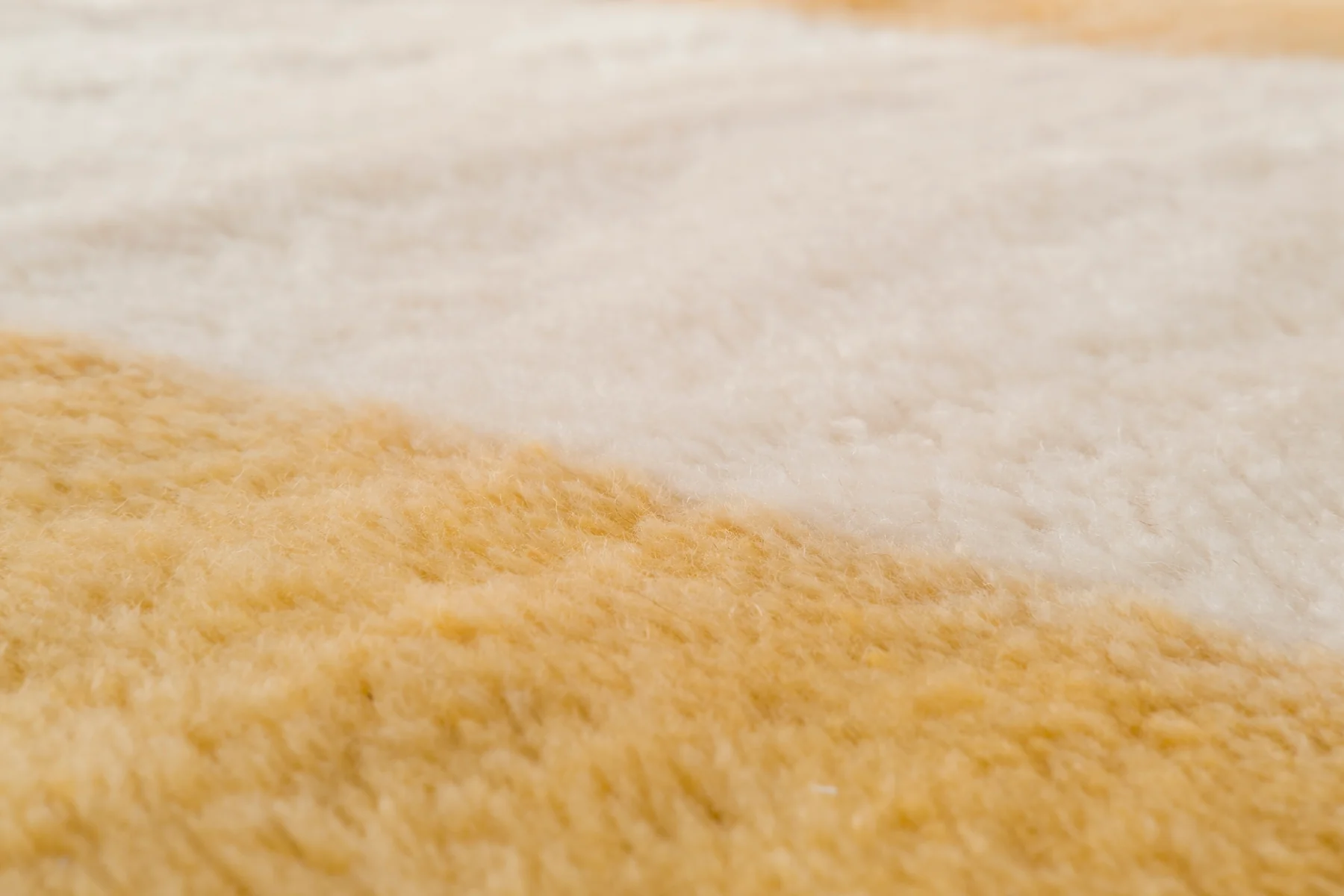
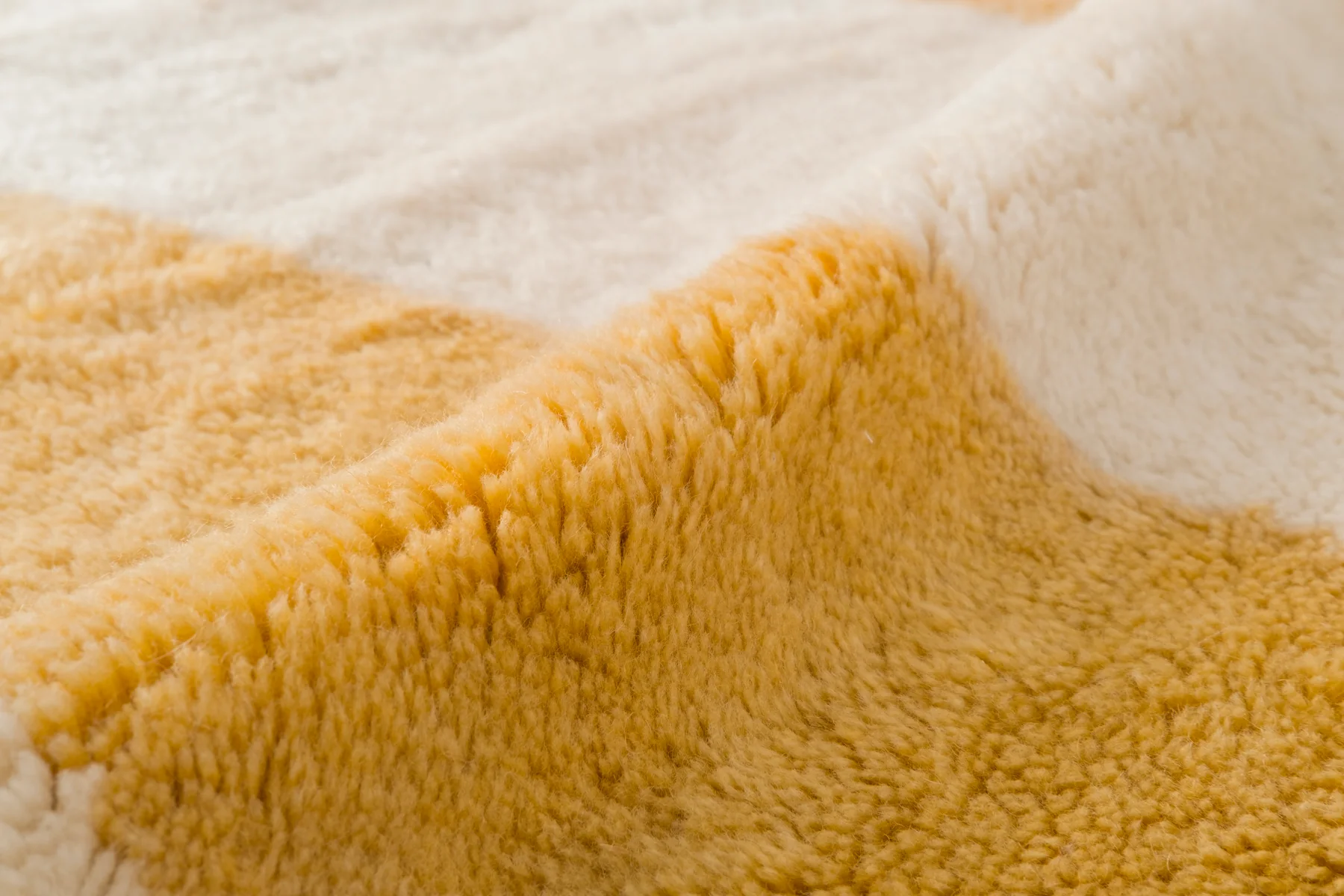
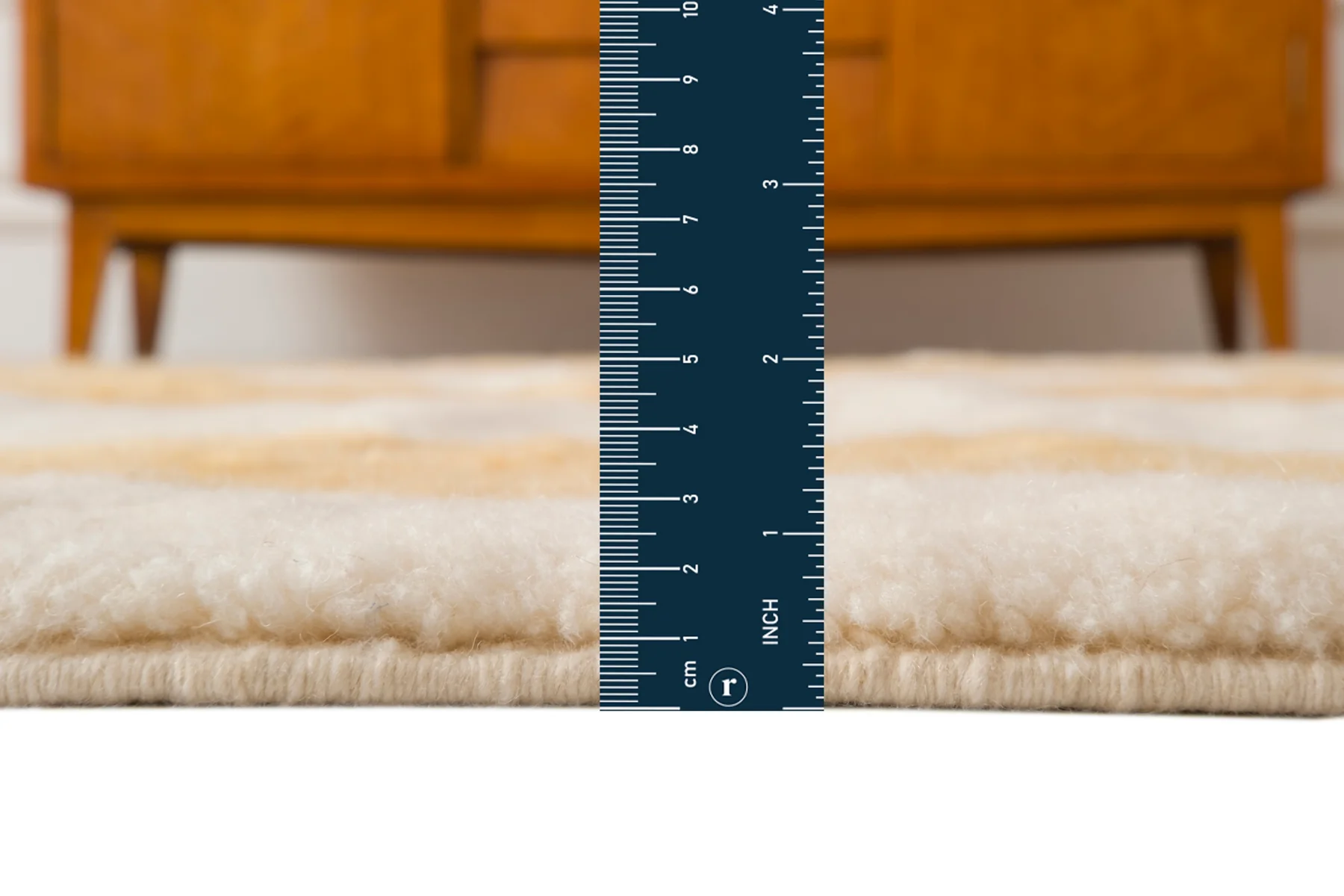
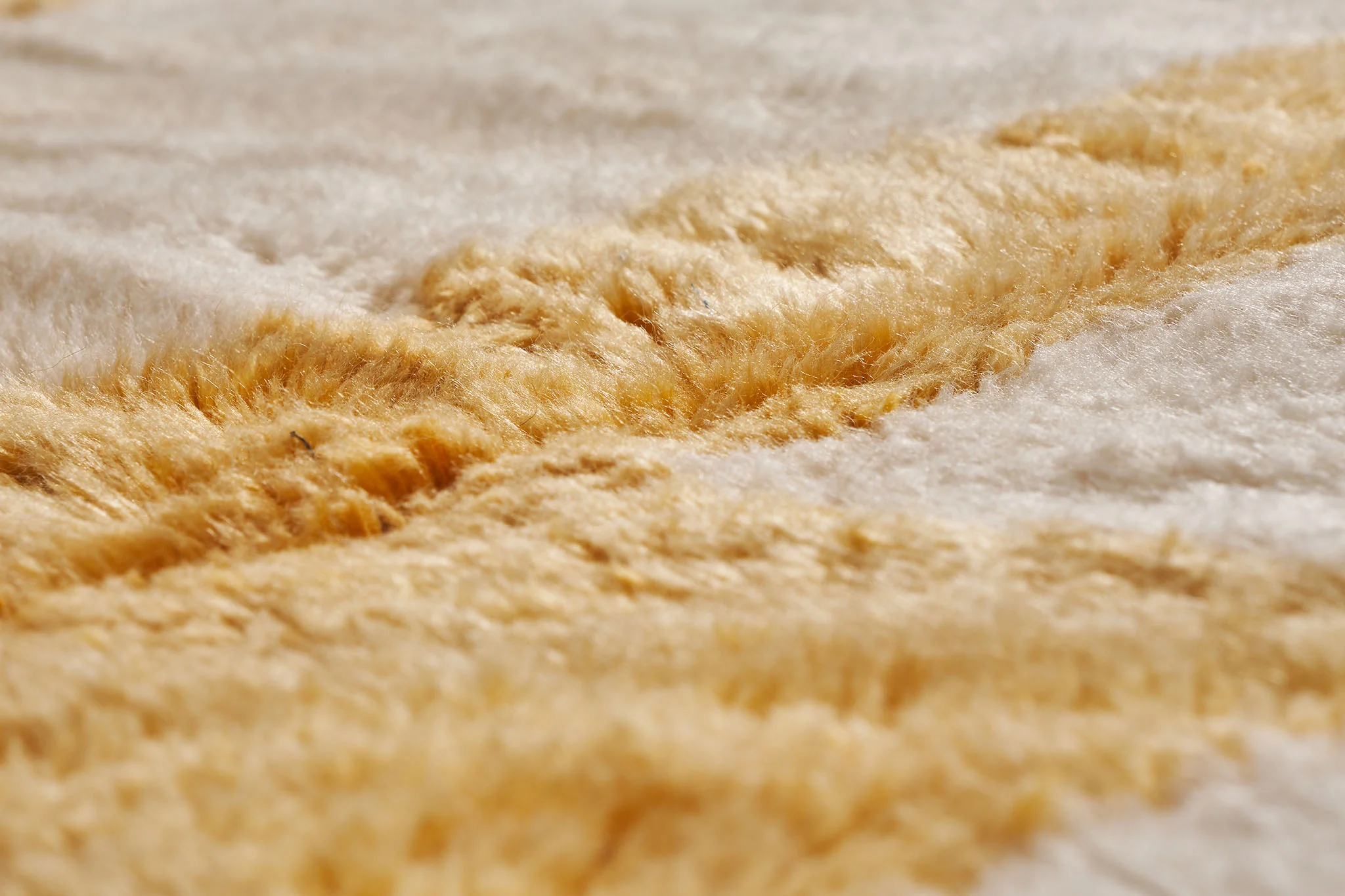
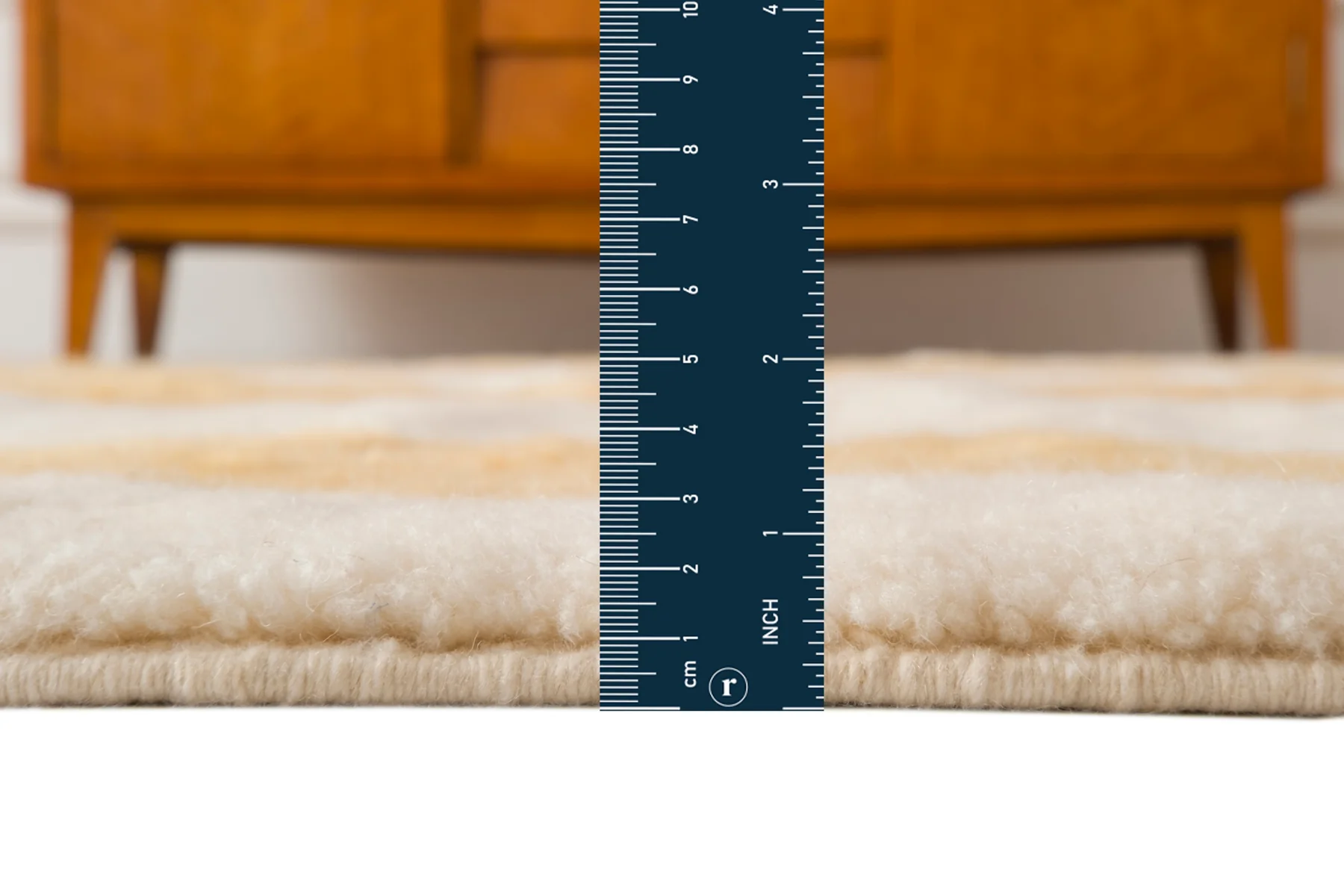
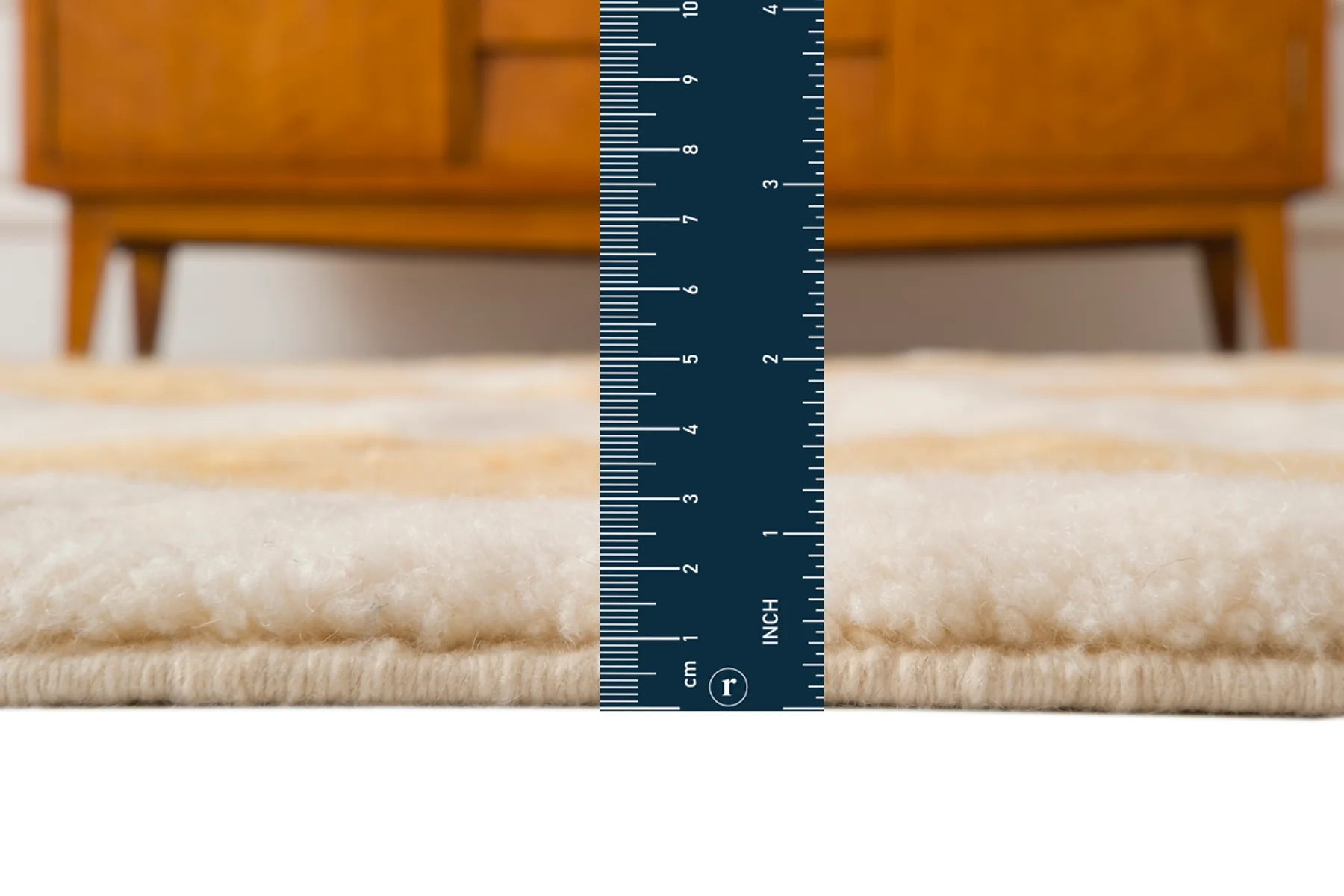
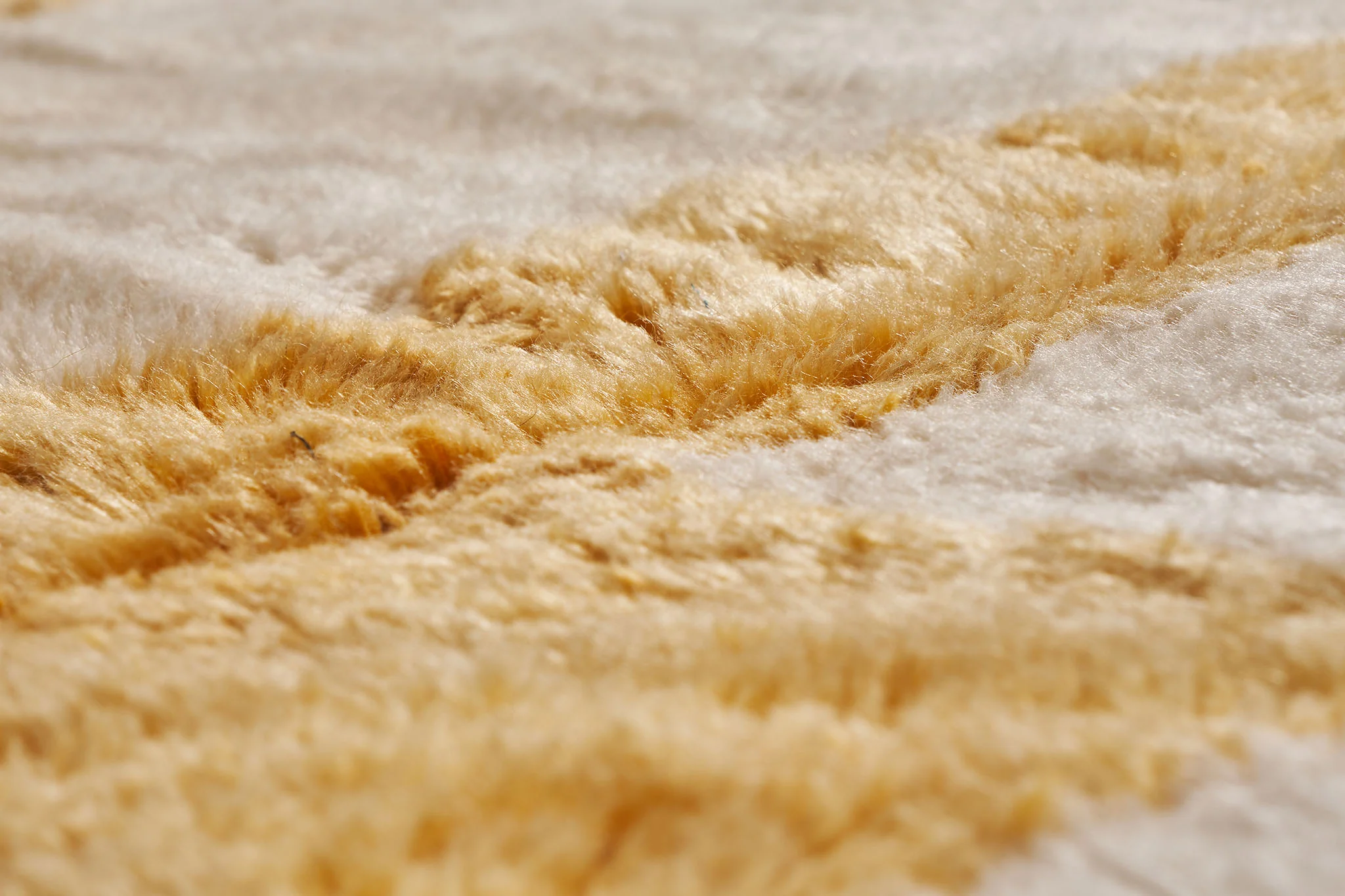
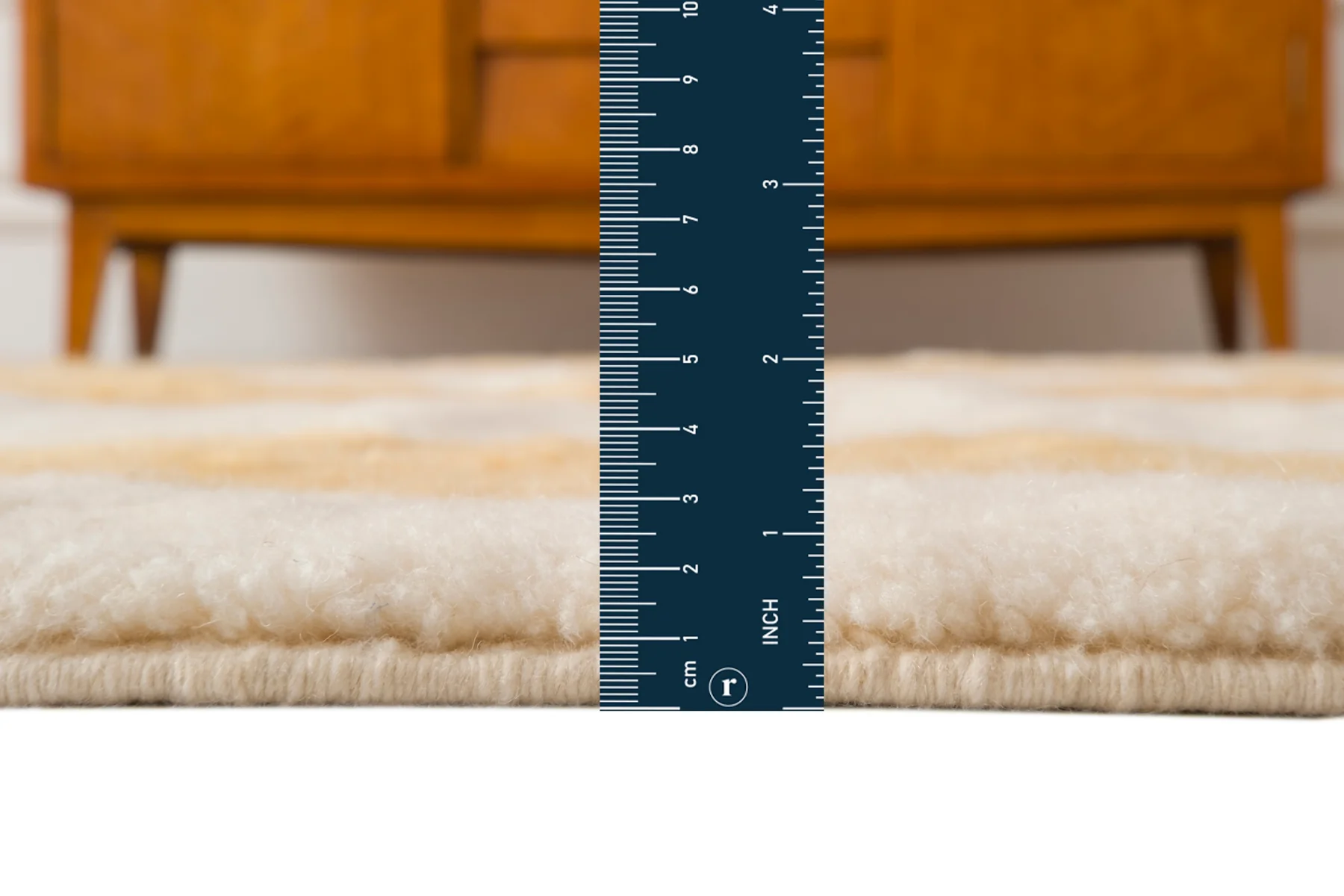
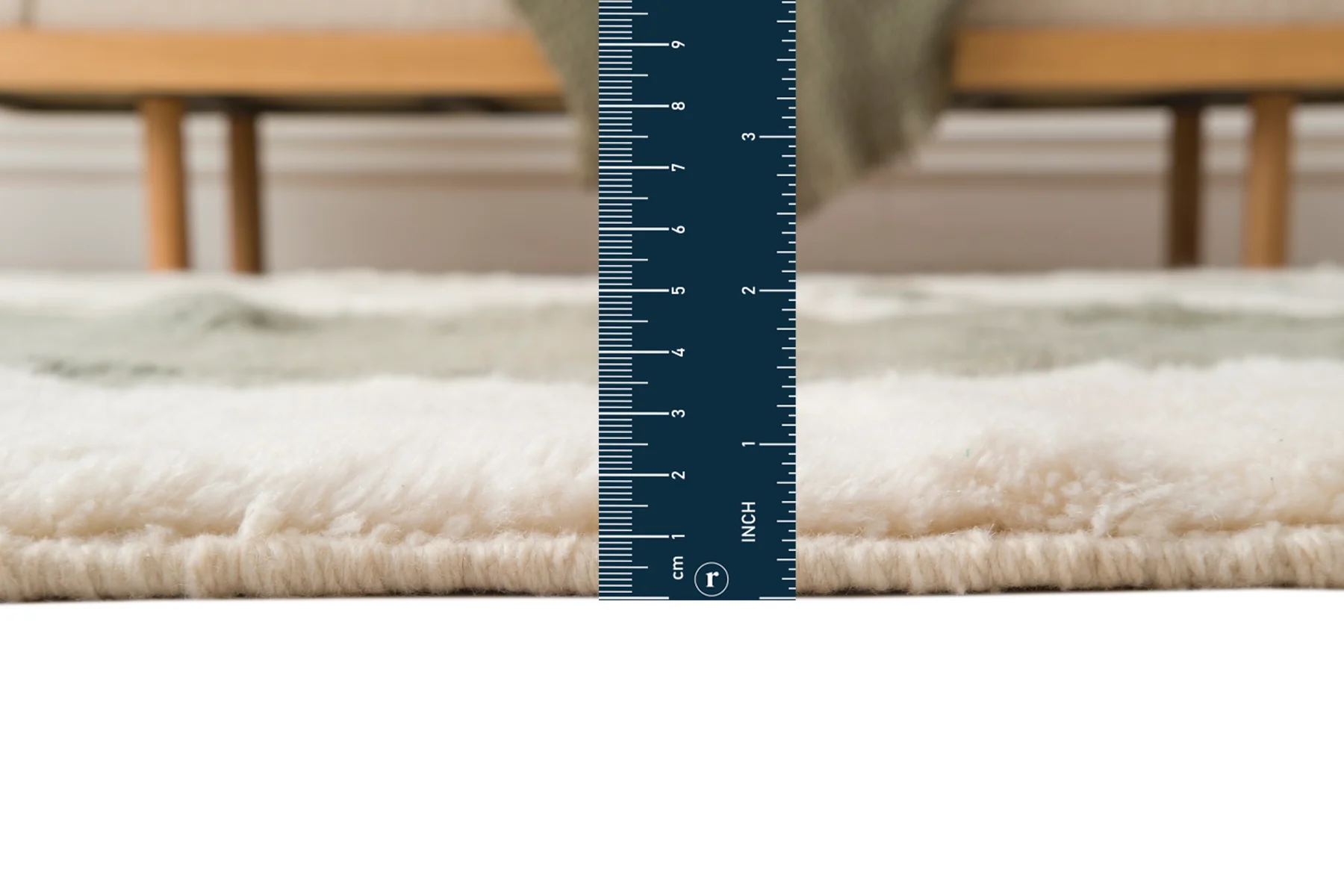
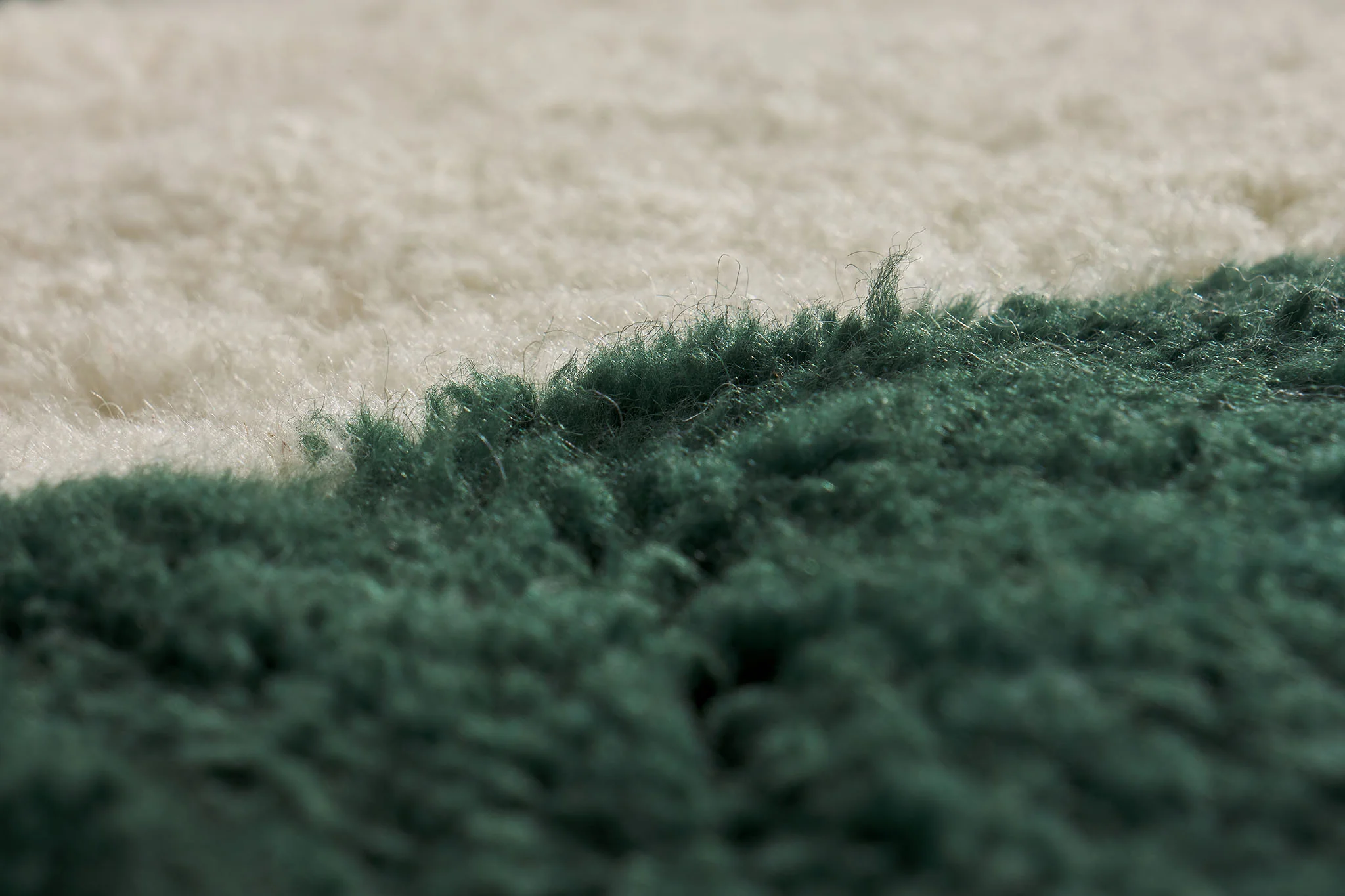
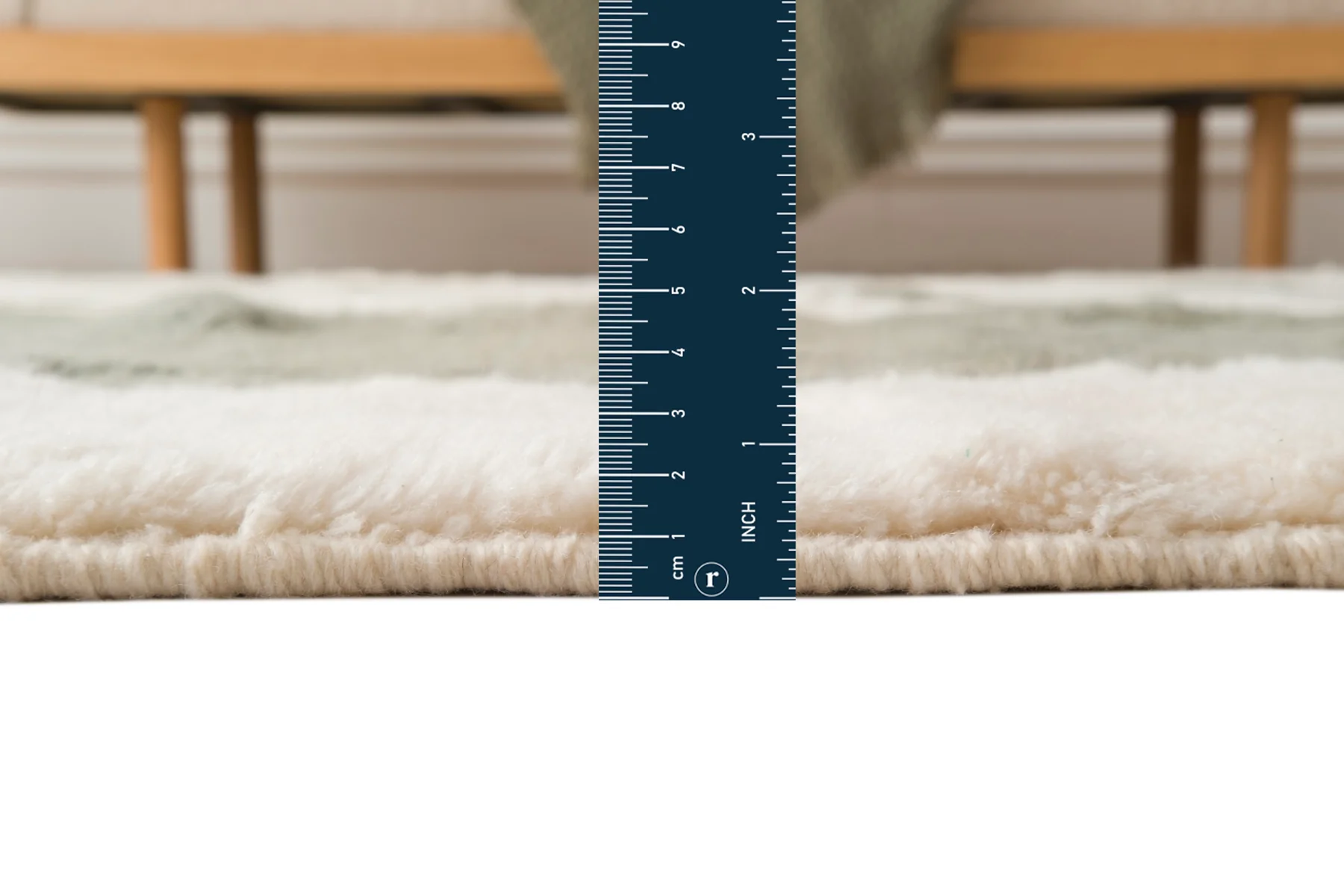
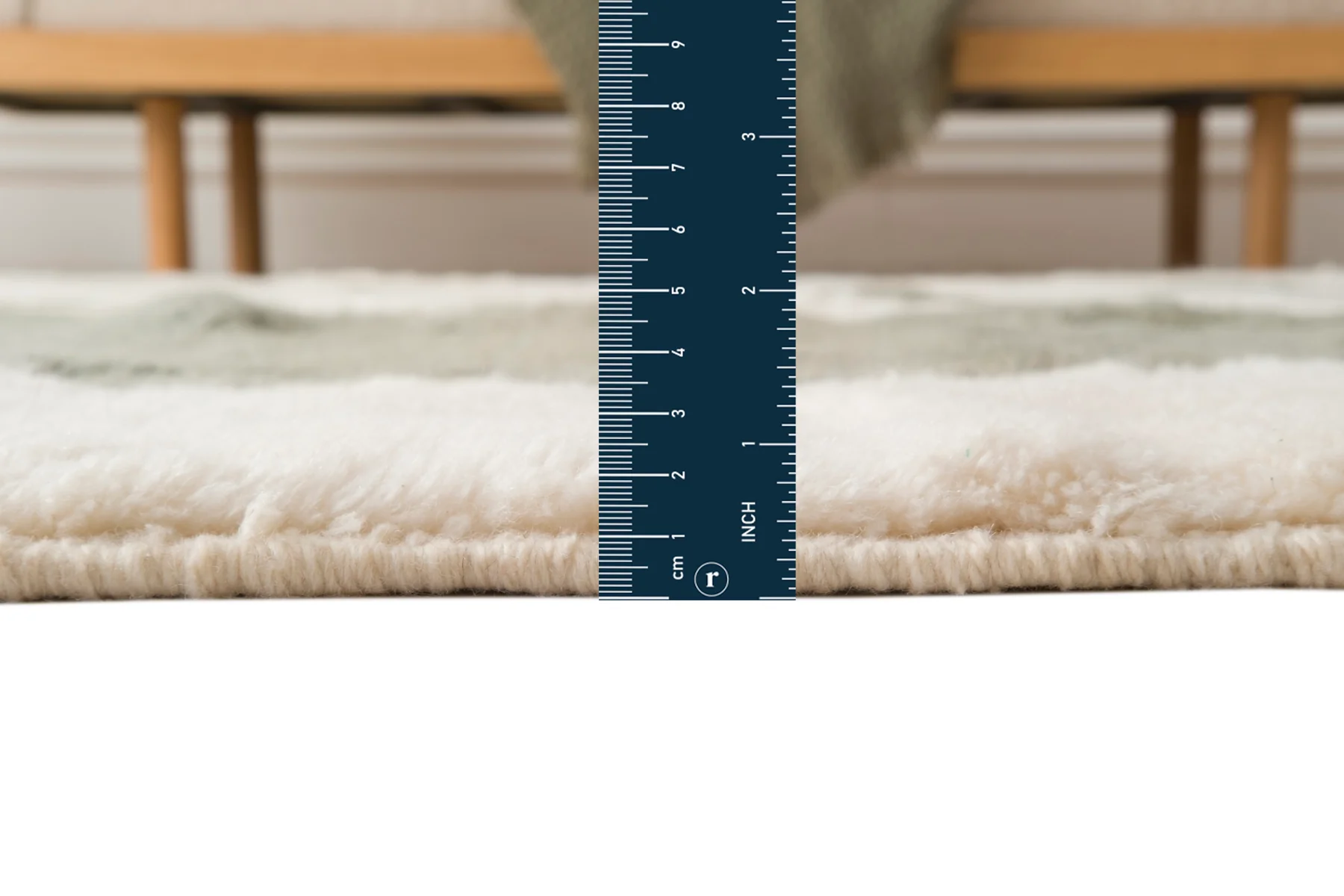
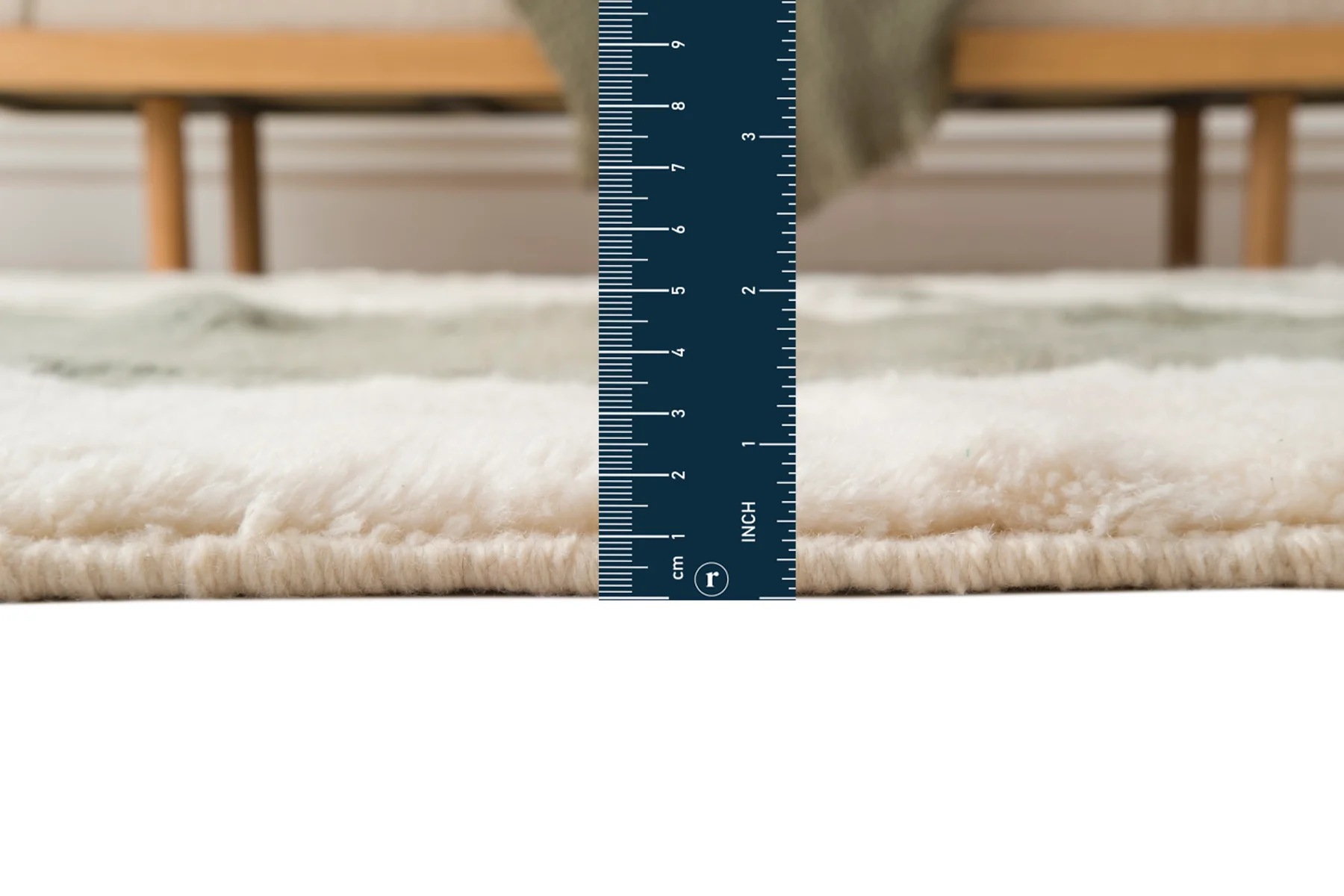
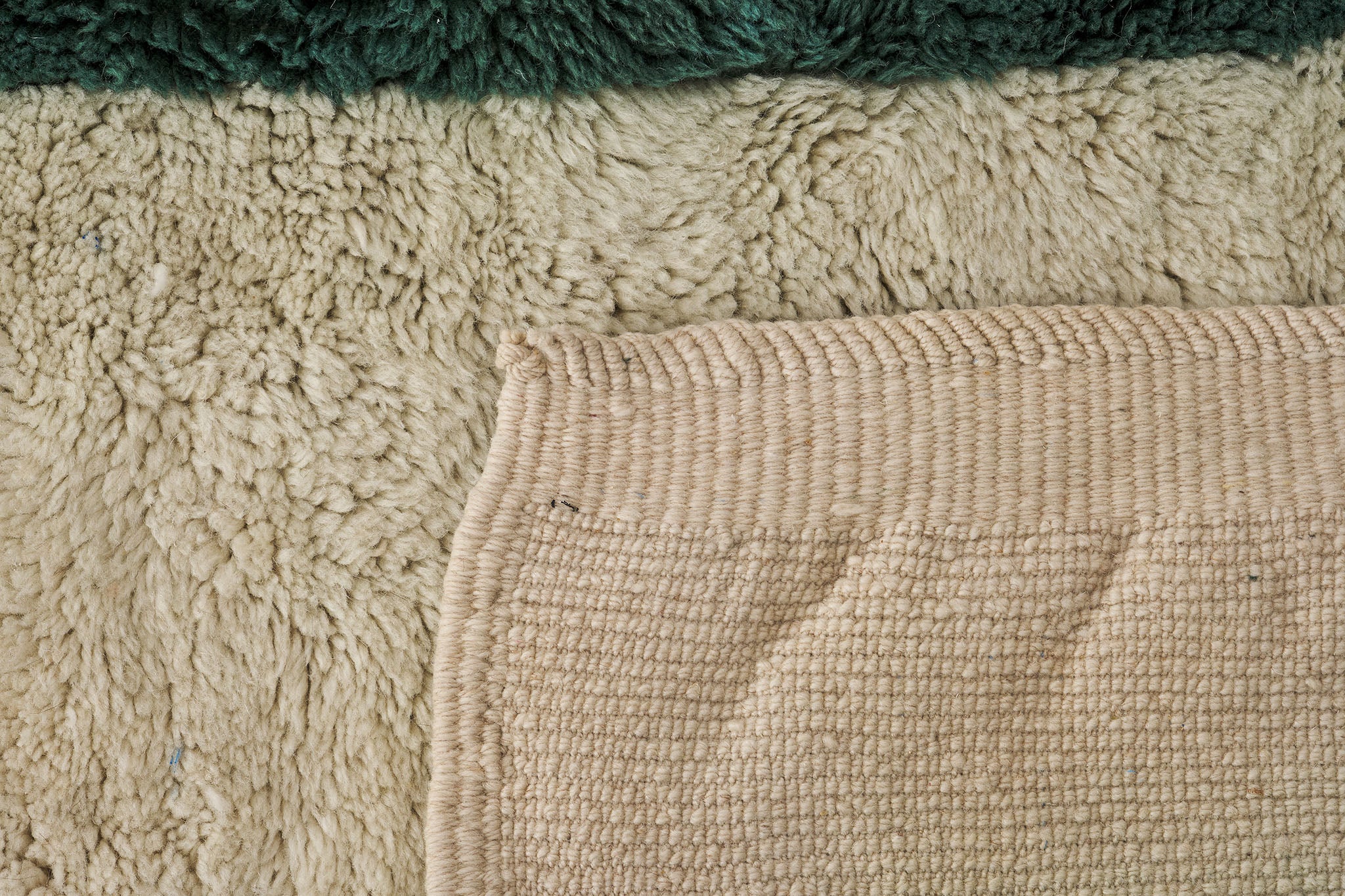
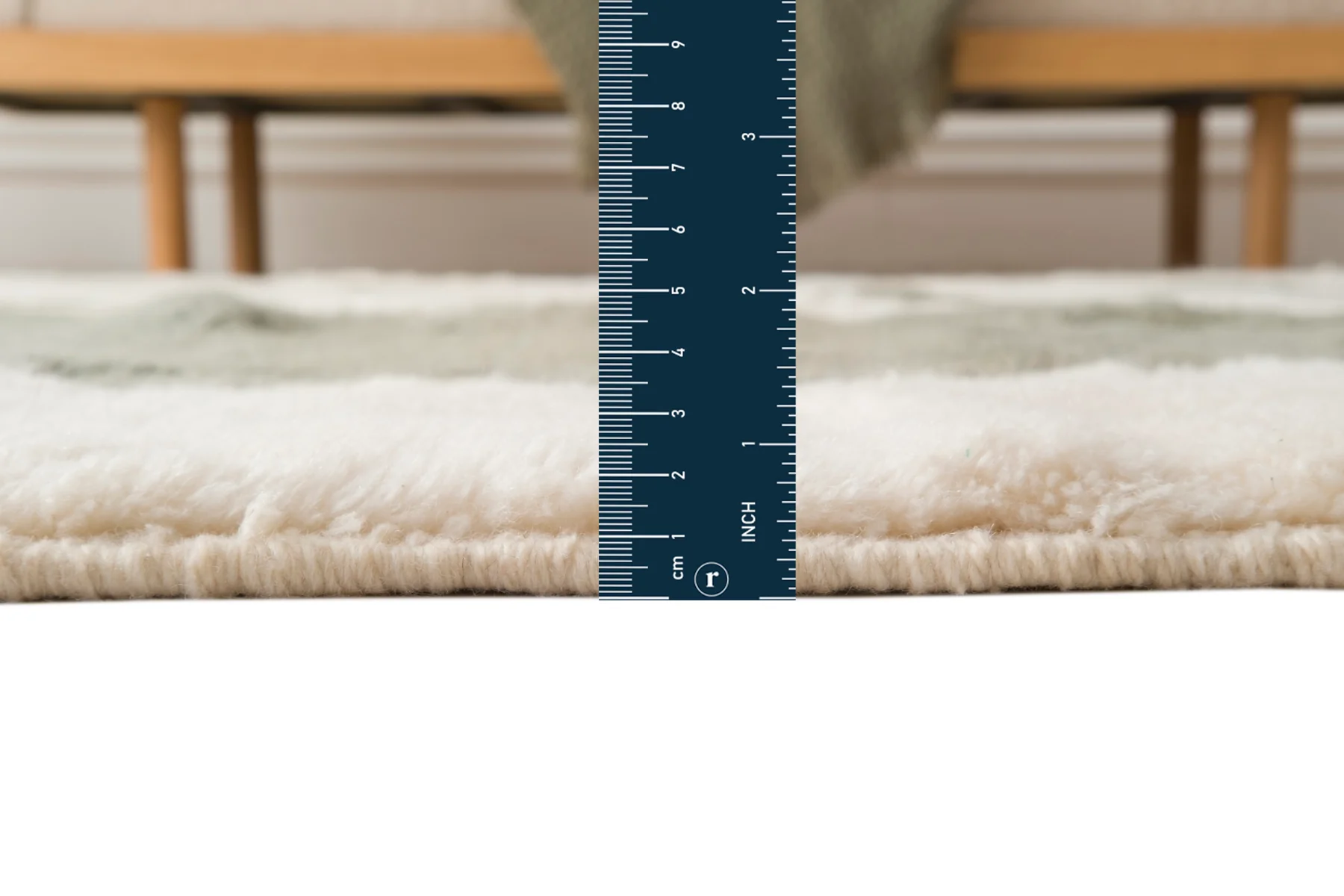
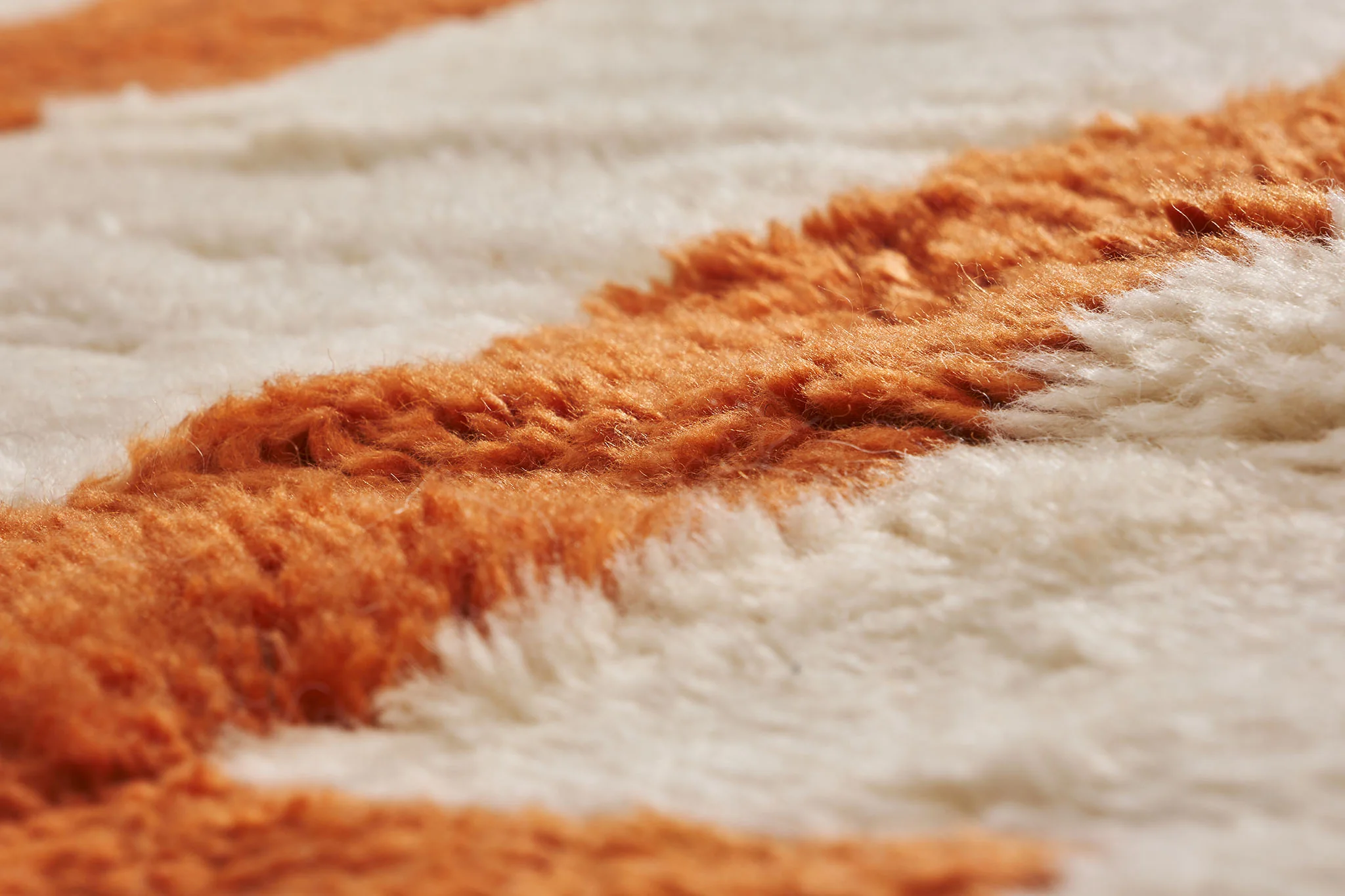
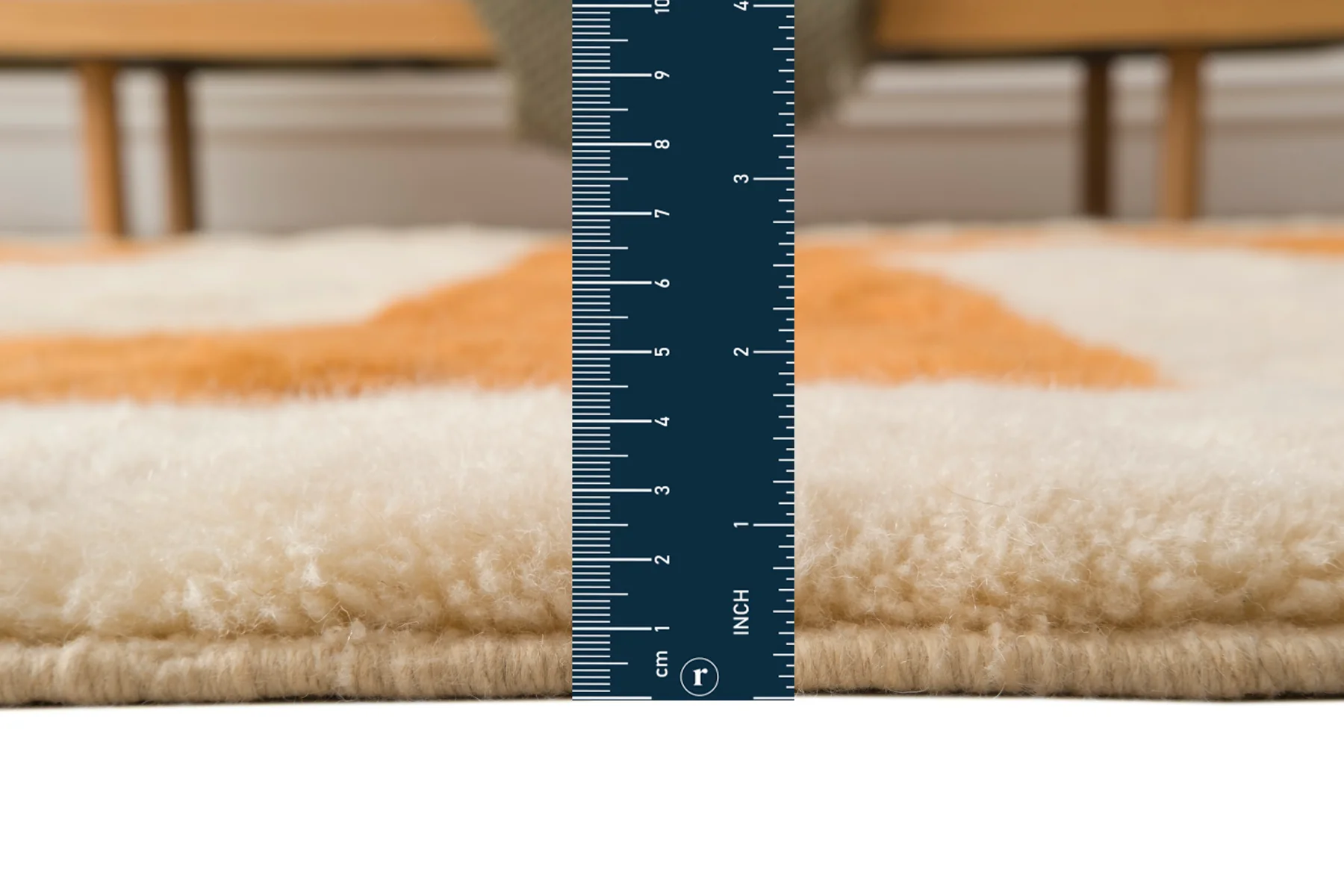
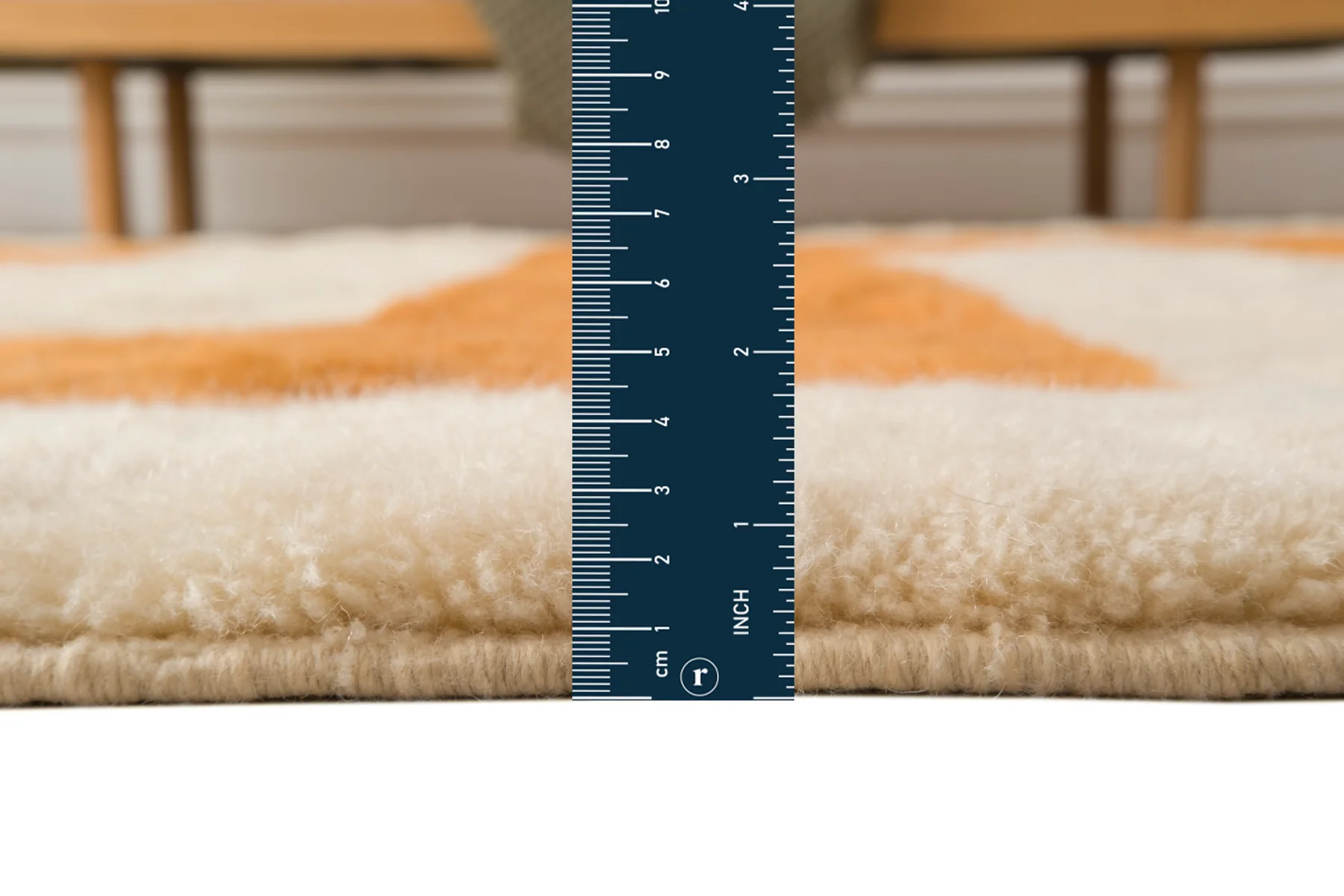
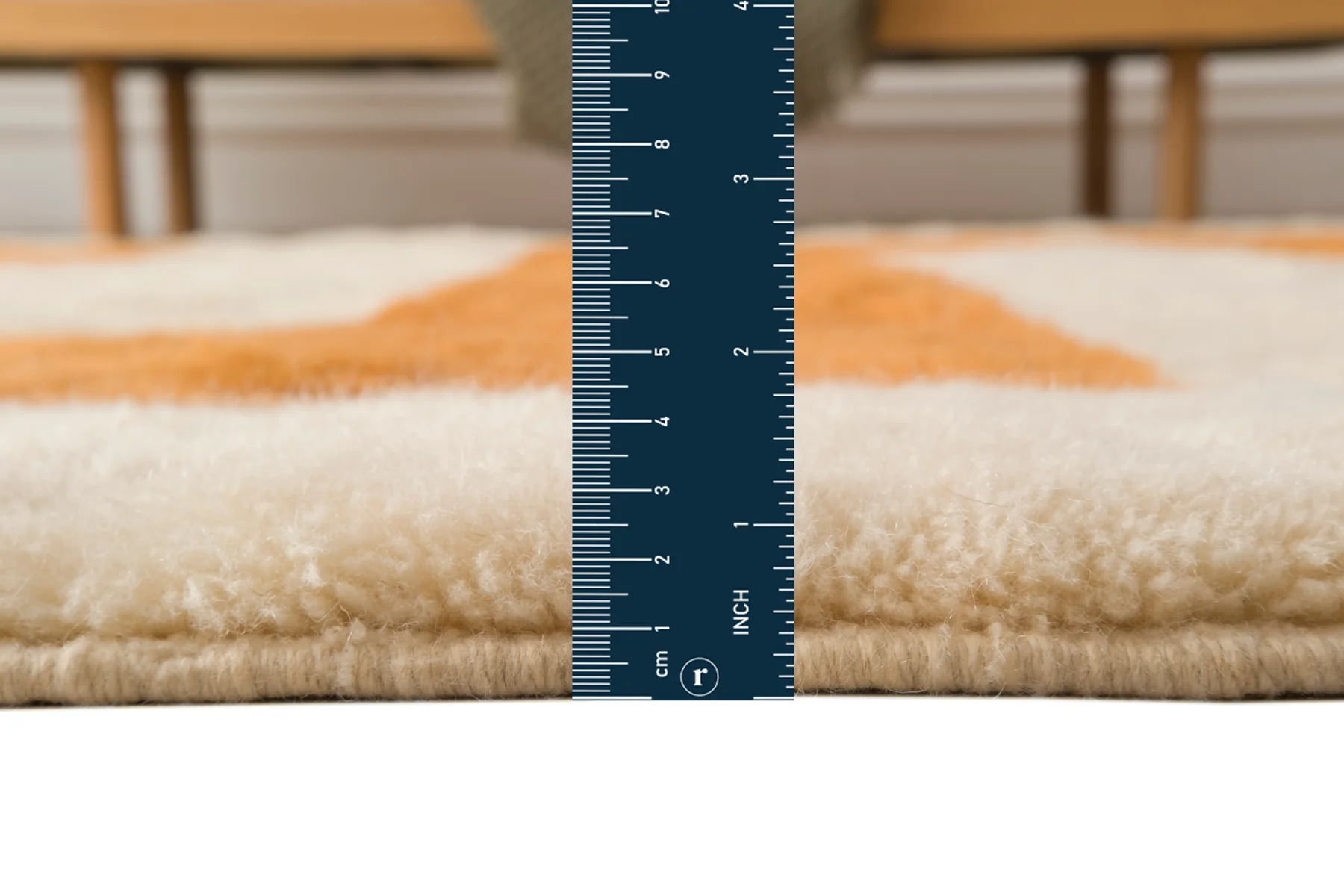
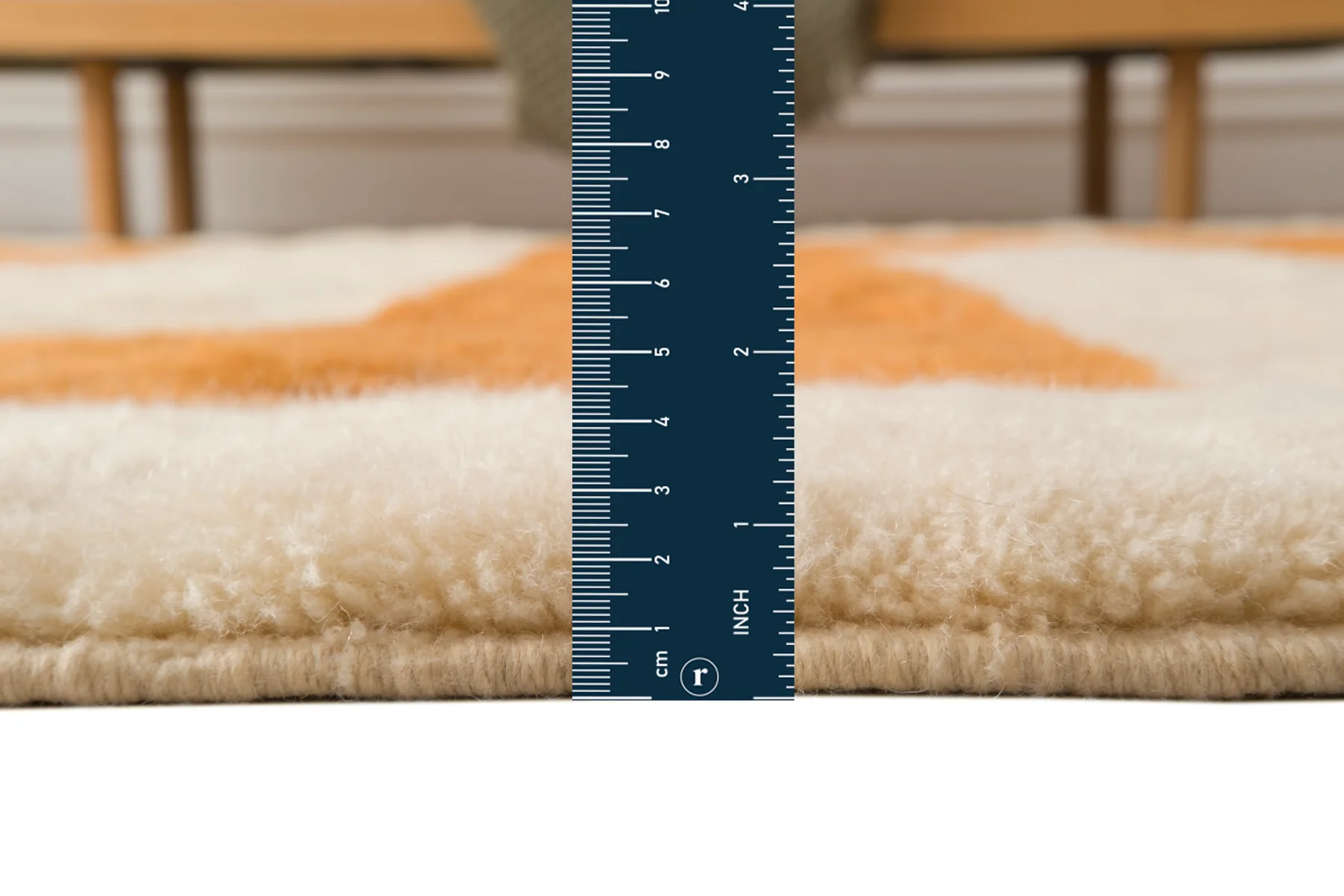
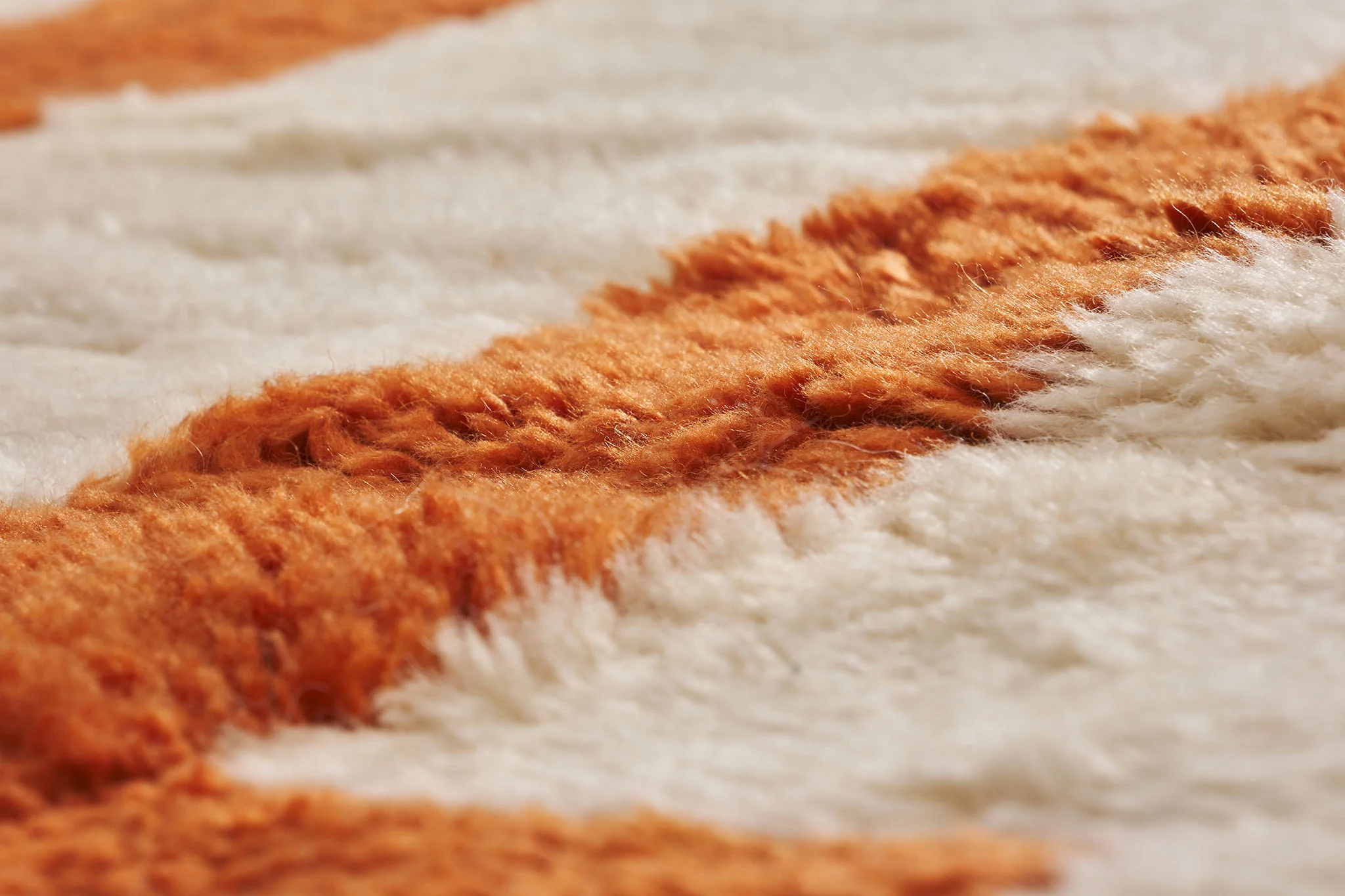
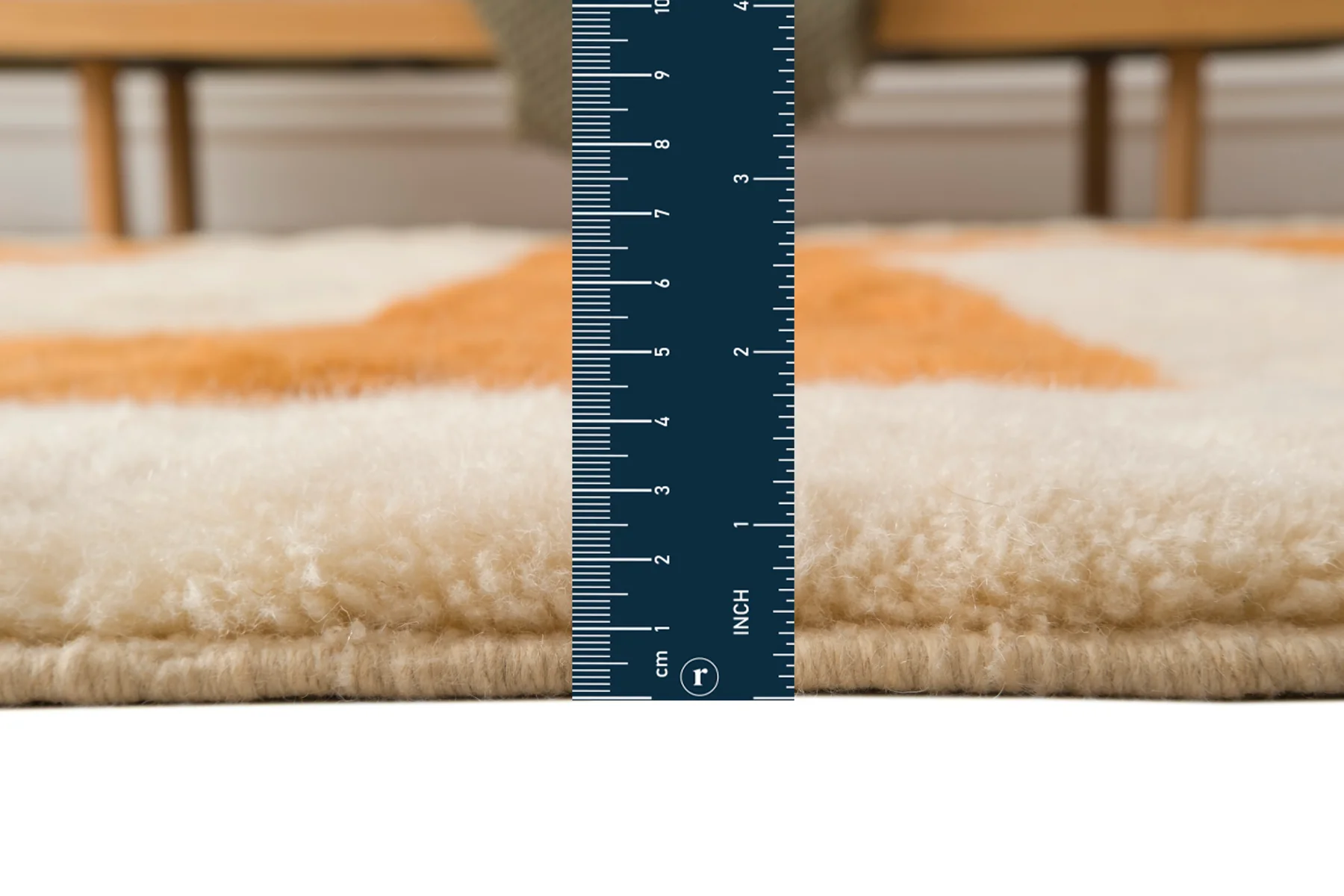
- Plush pile: approximately 1.1” (30 mm) thick
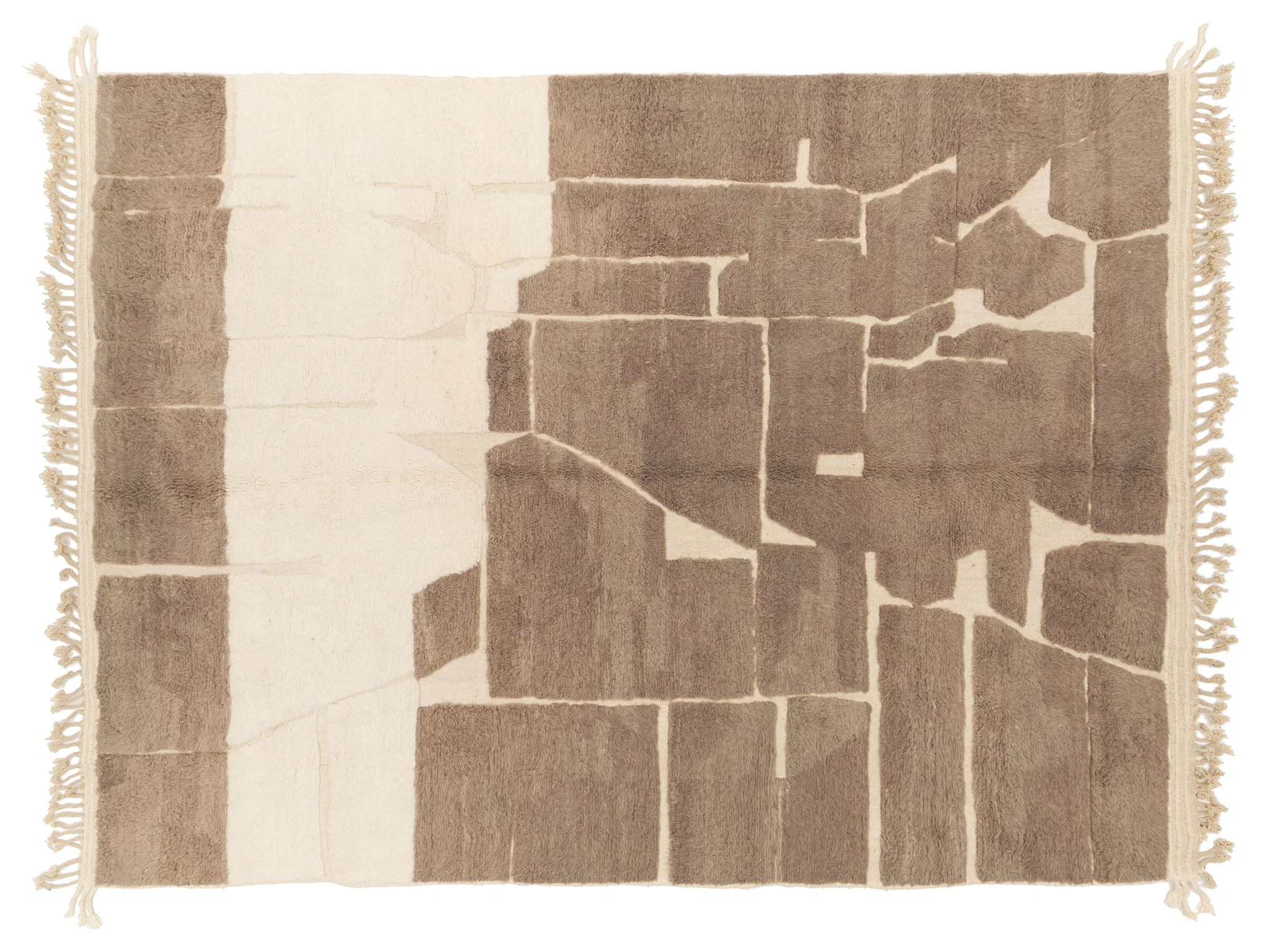
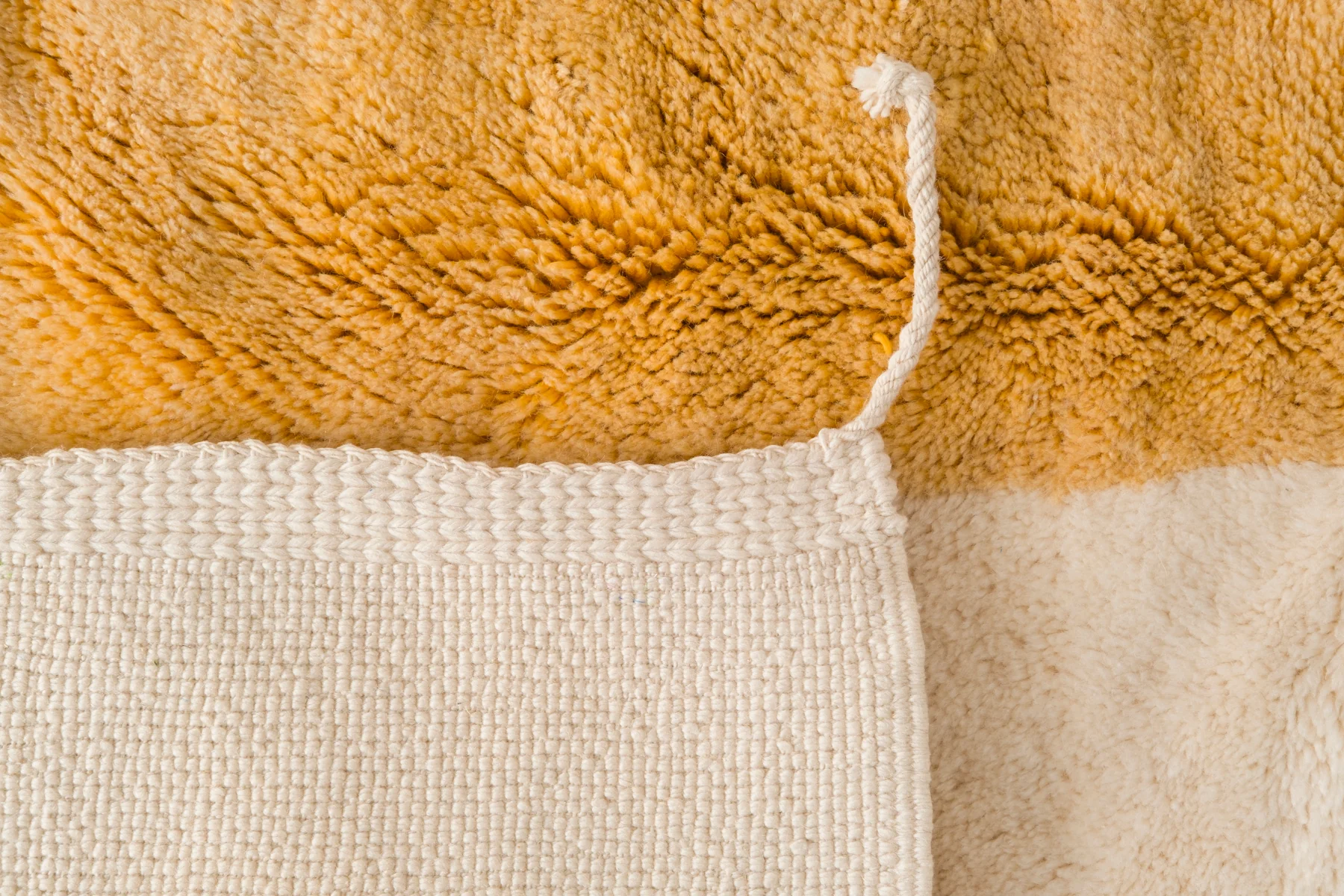
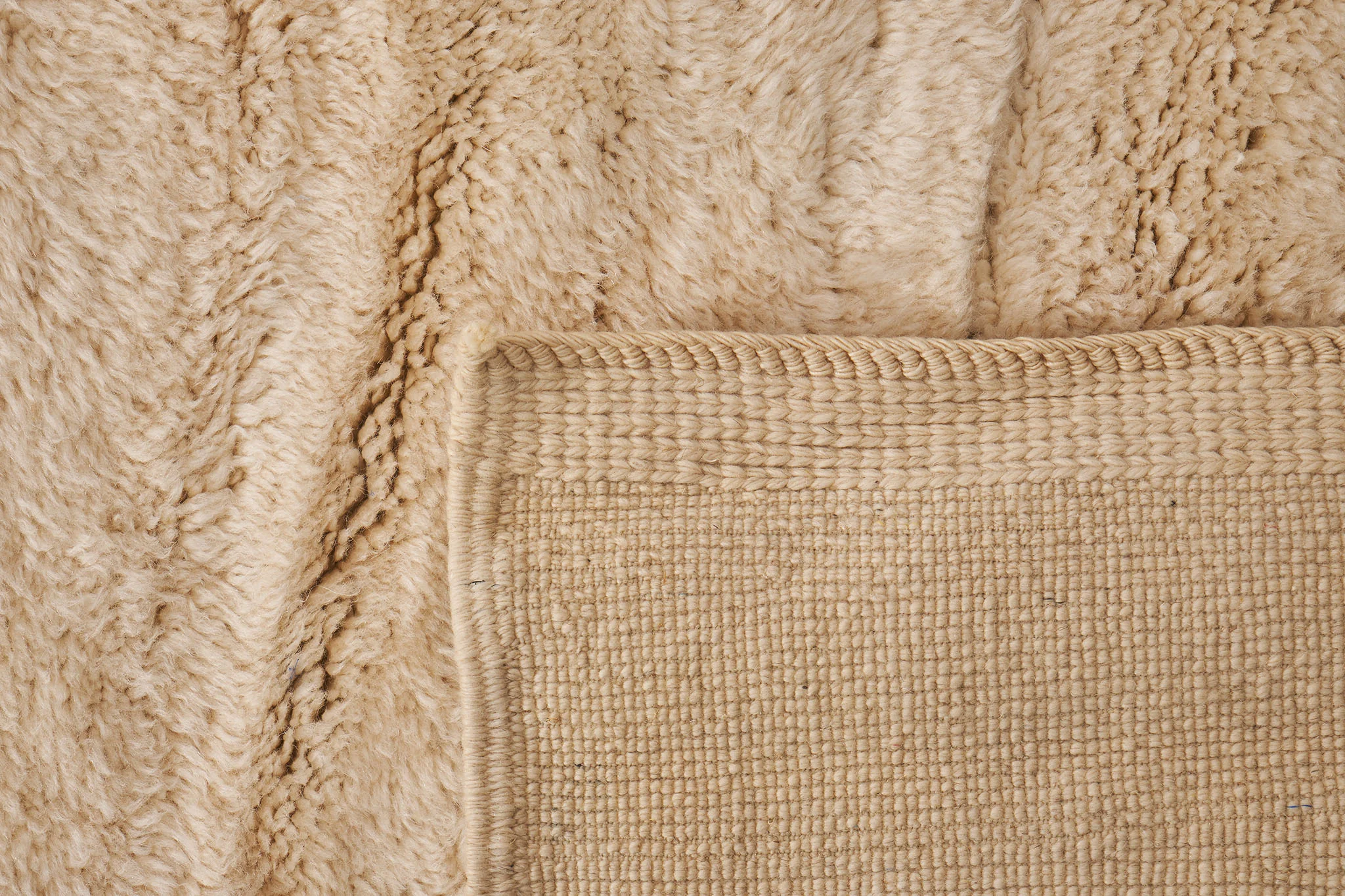
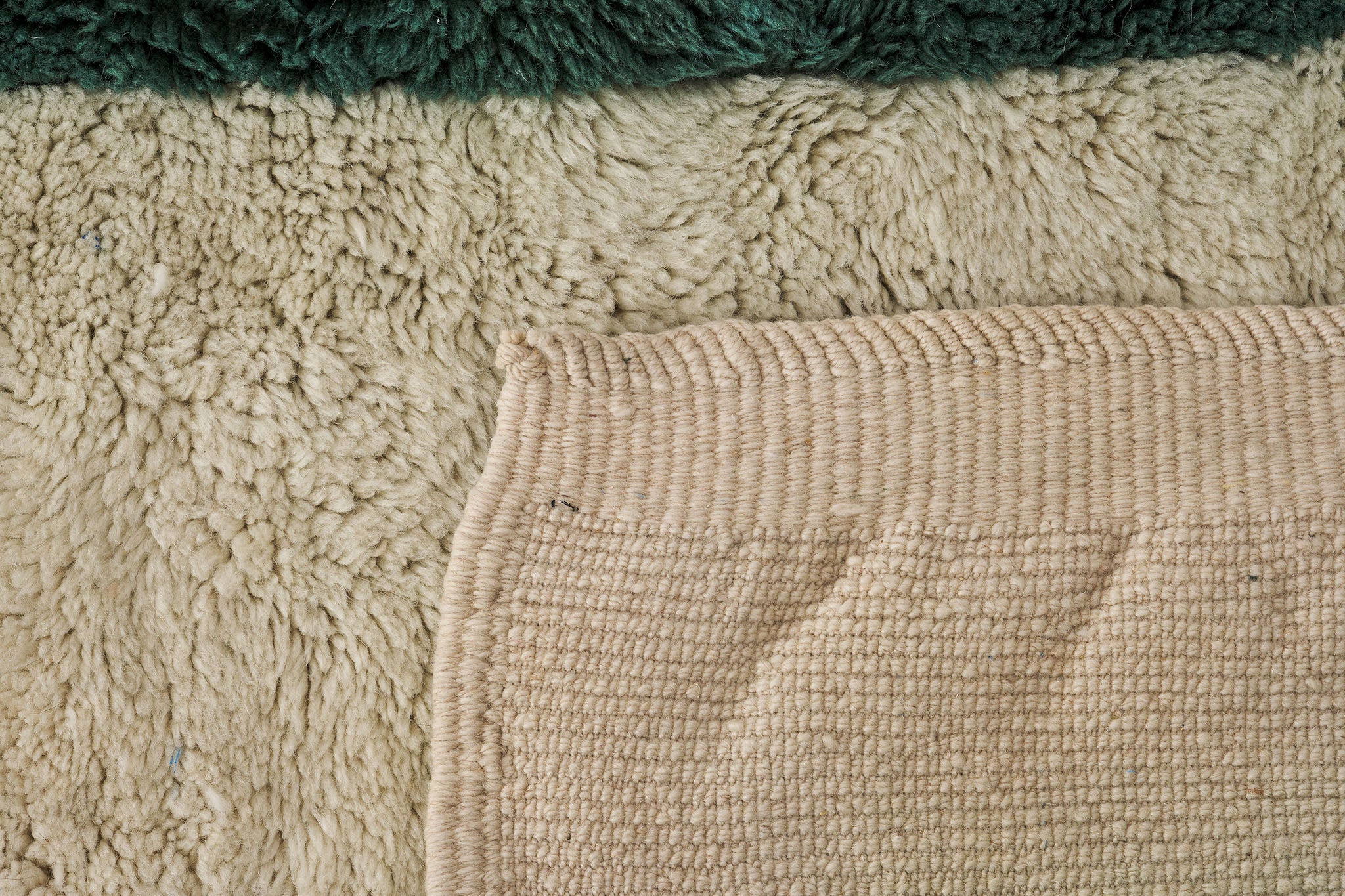
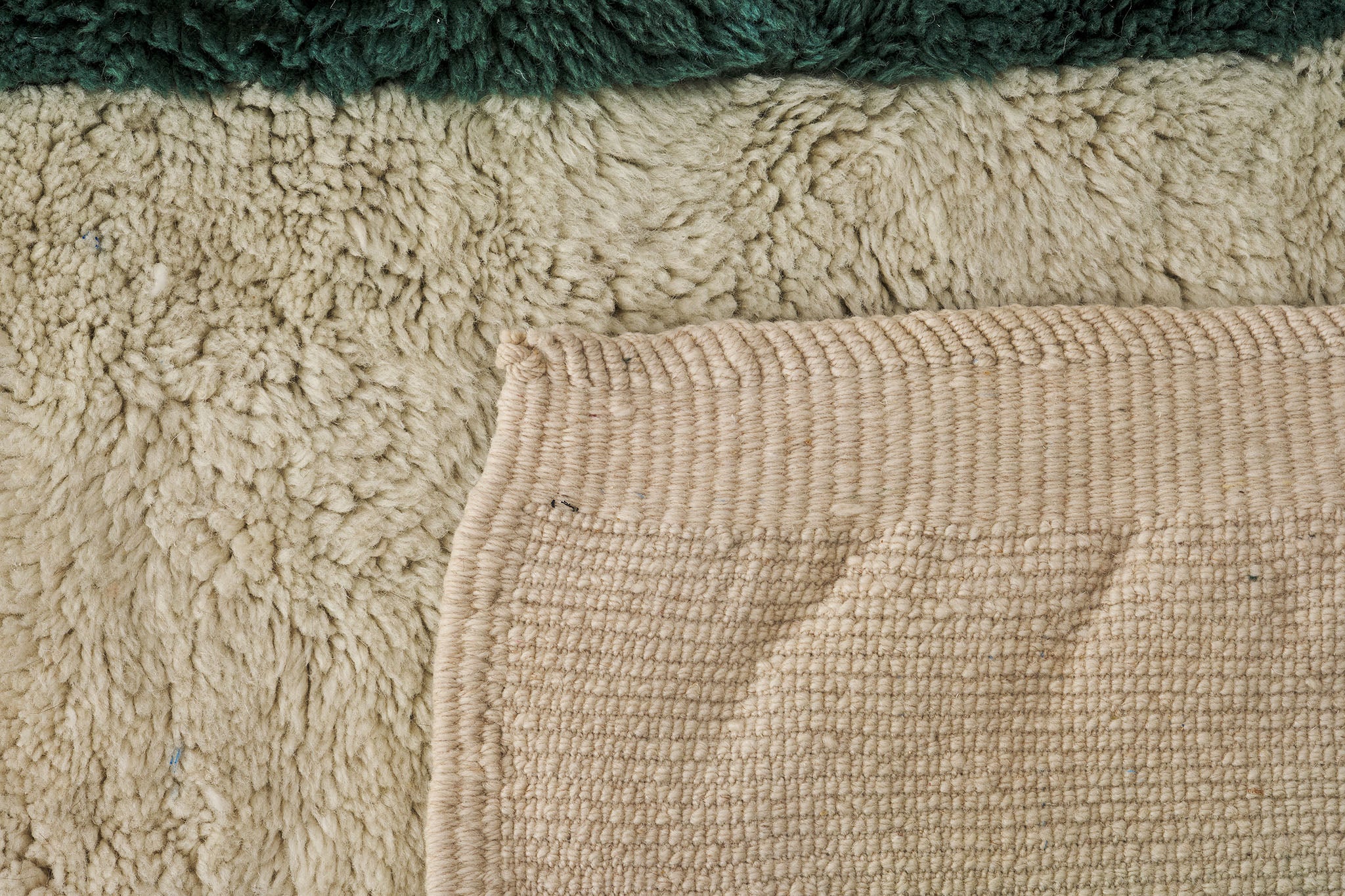
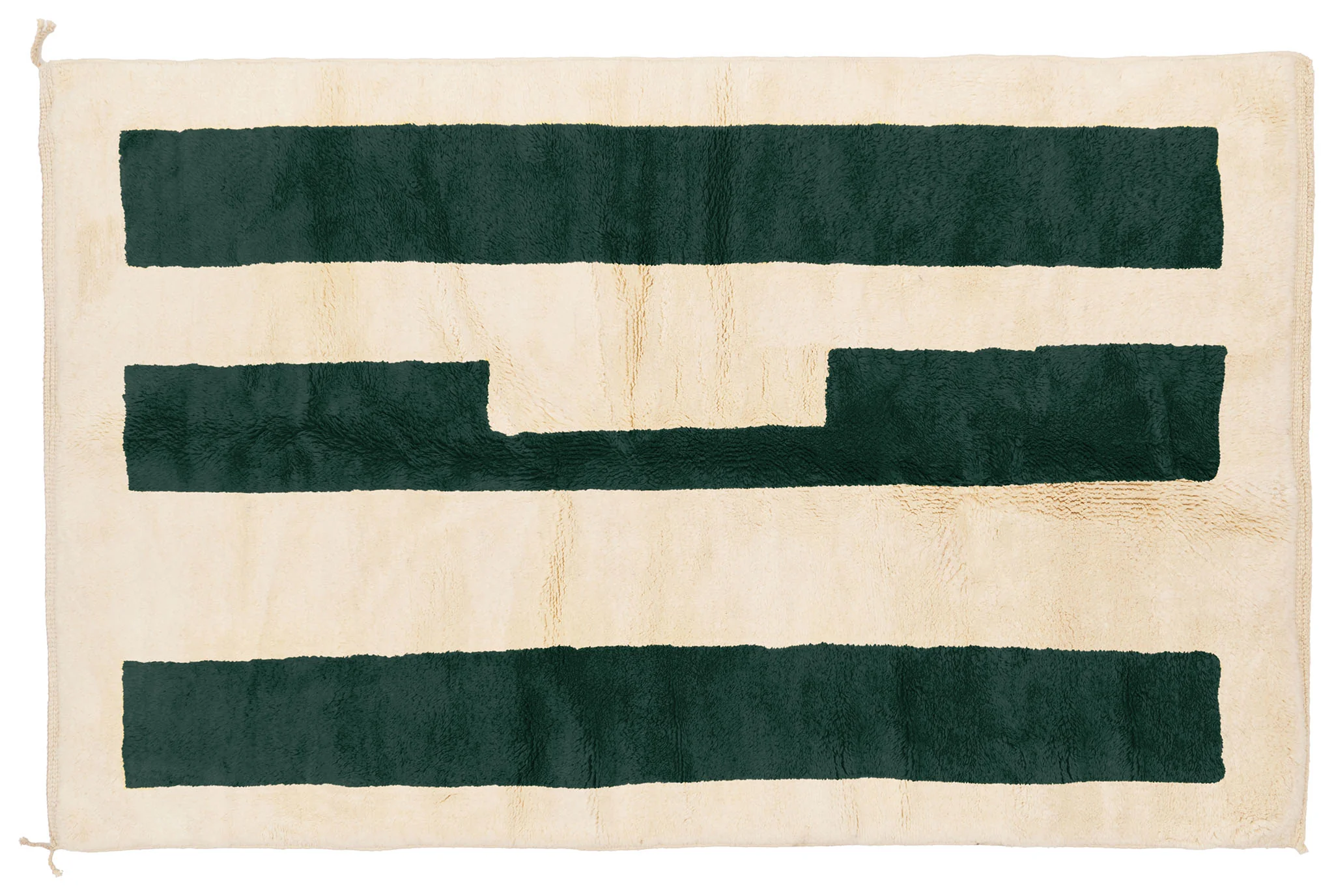
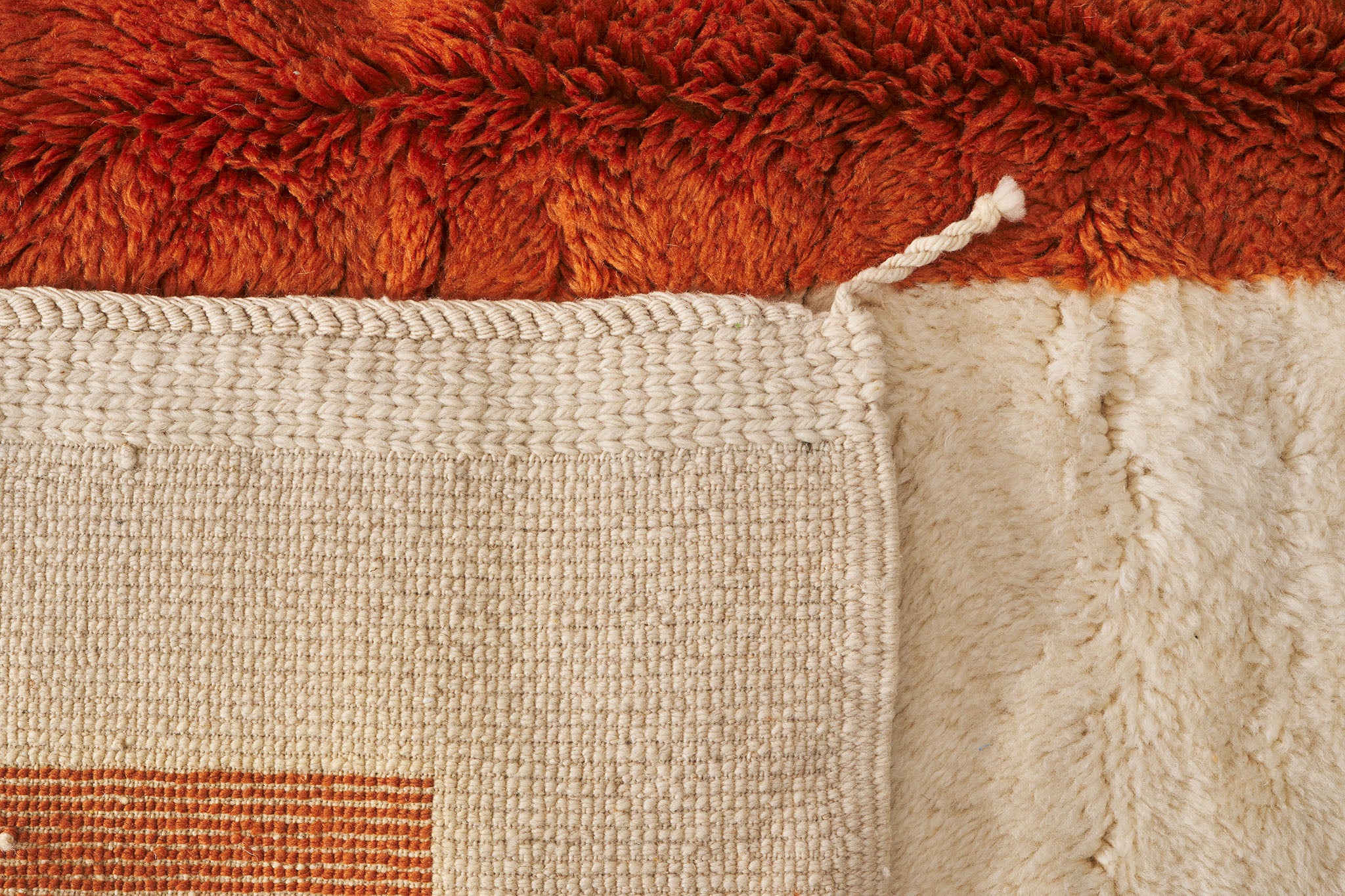
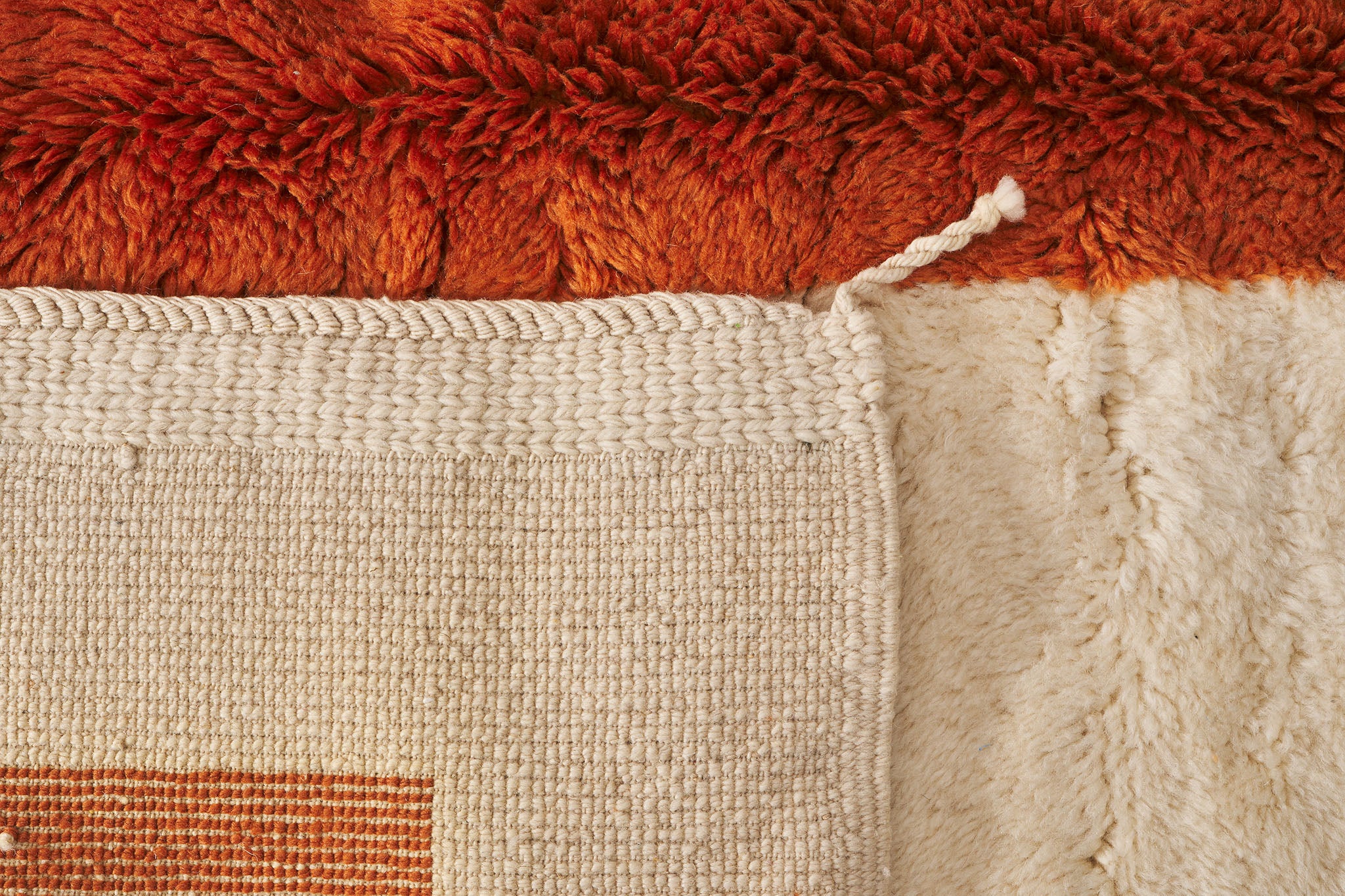
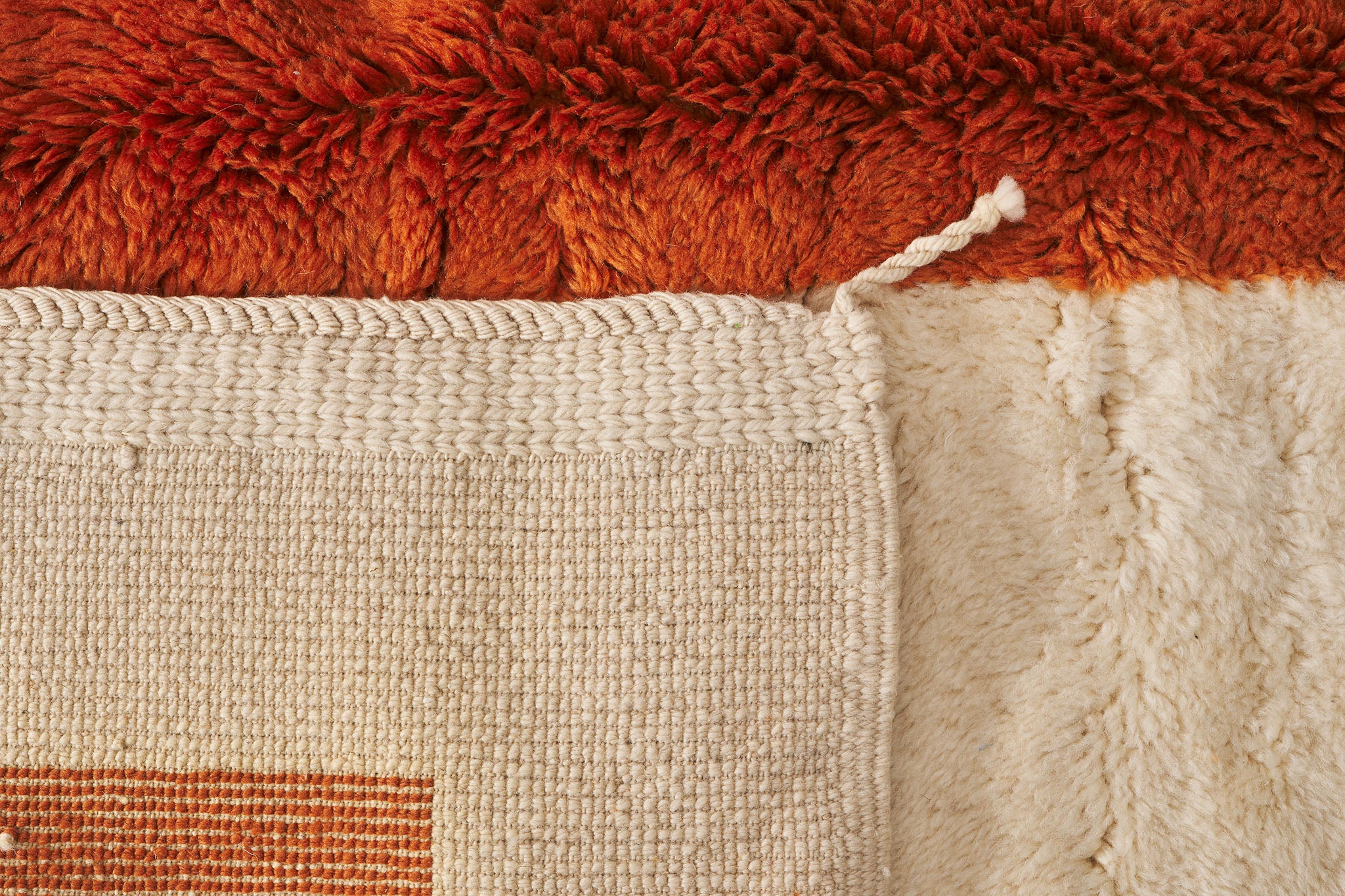
- Hand-twisted corner fringe on top edge
- As with all hand-knotted plush pile rugs, expect shedding in the first few months
- Expect a 5% variation in size and color due to handmade nature. This means a few inches on either side, width or length, smaller or larger: these rugs are truly one-of-a-kind, as is standard with high-end handcraft.
The Collection
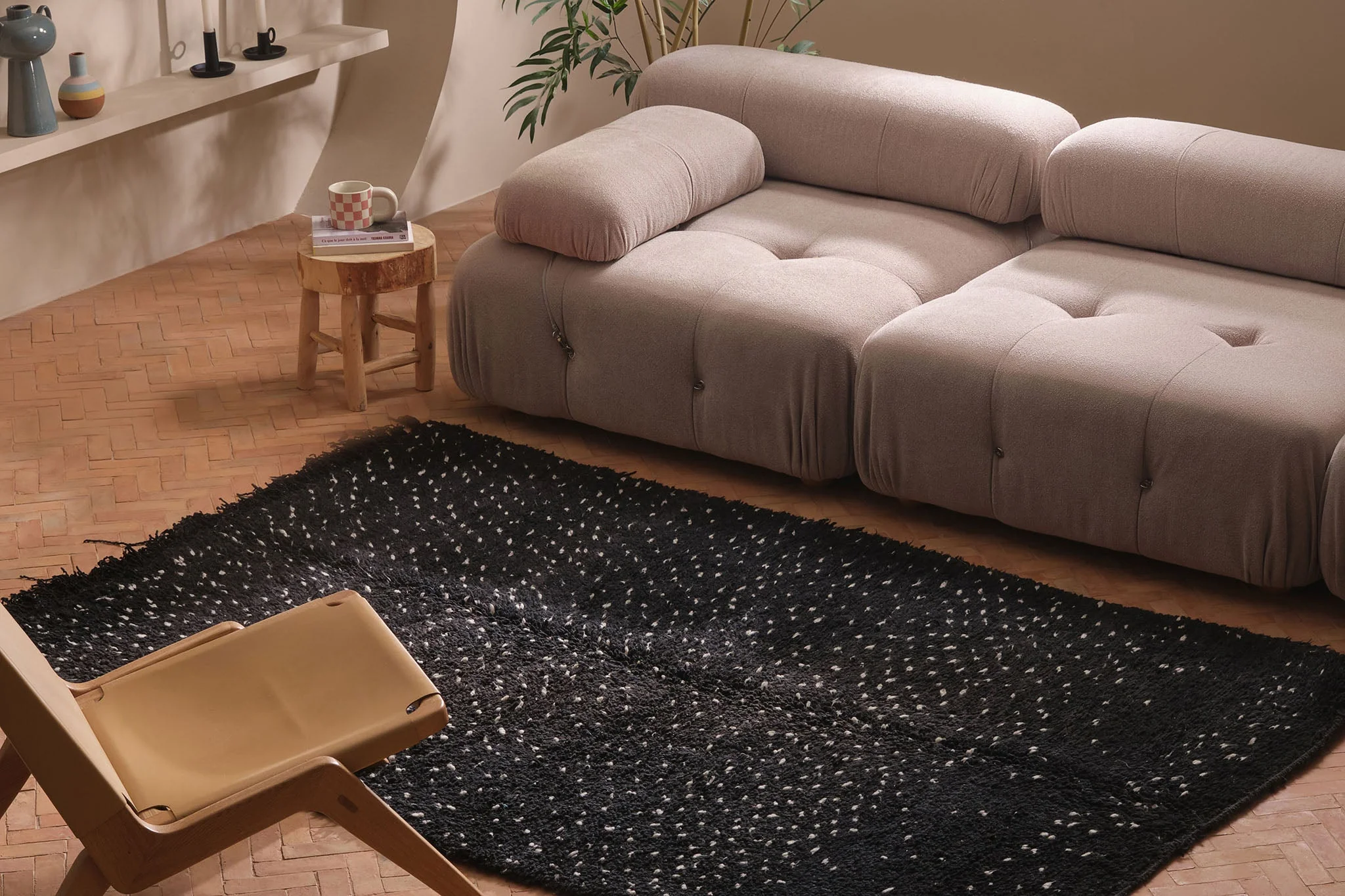
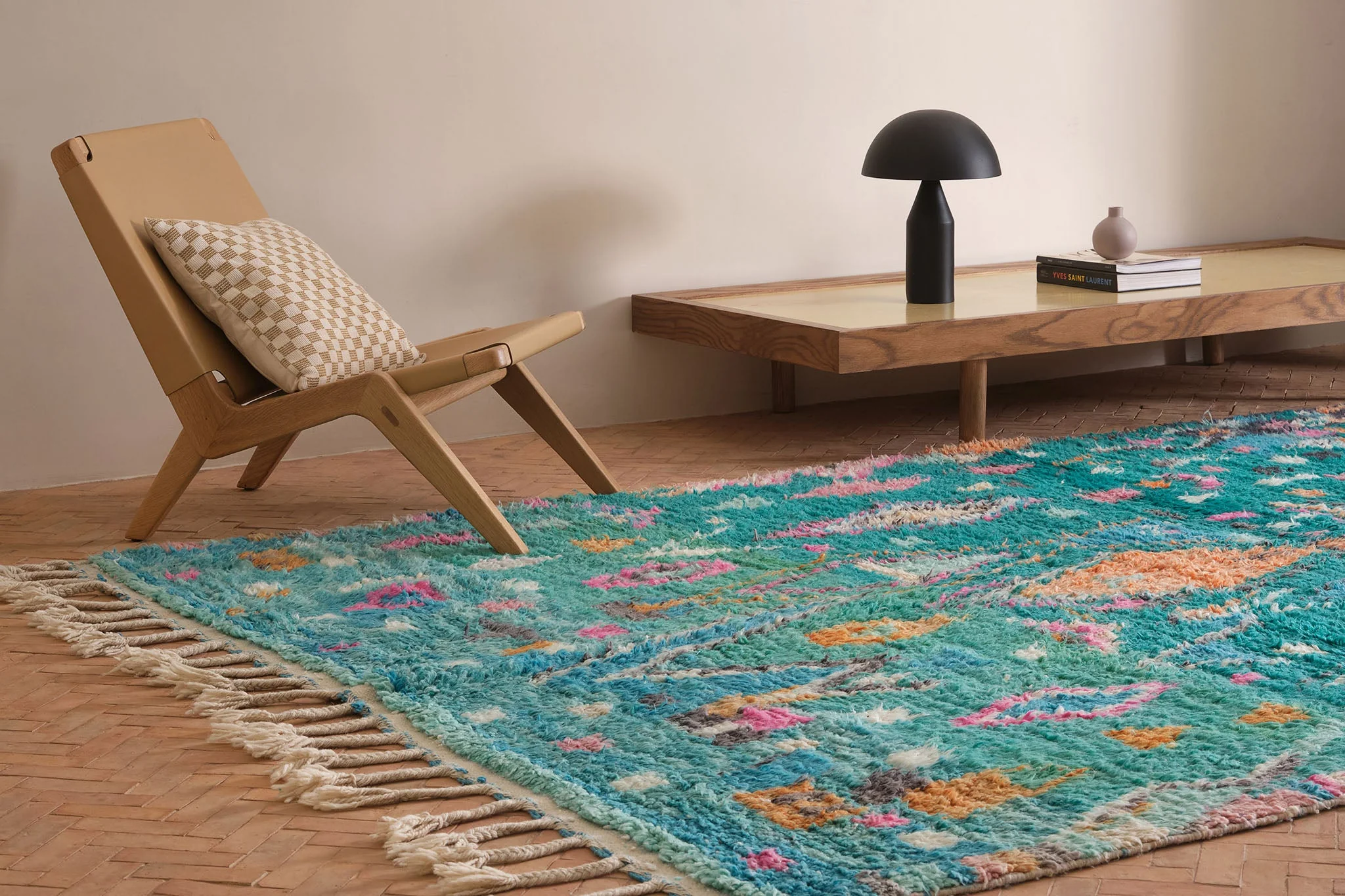
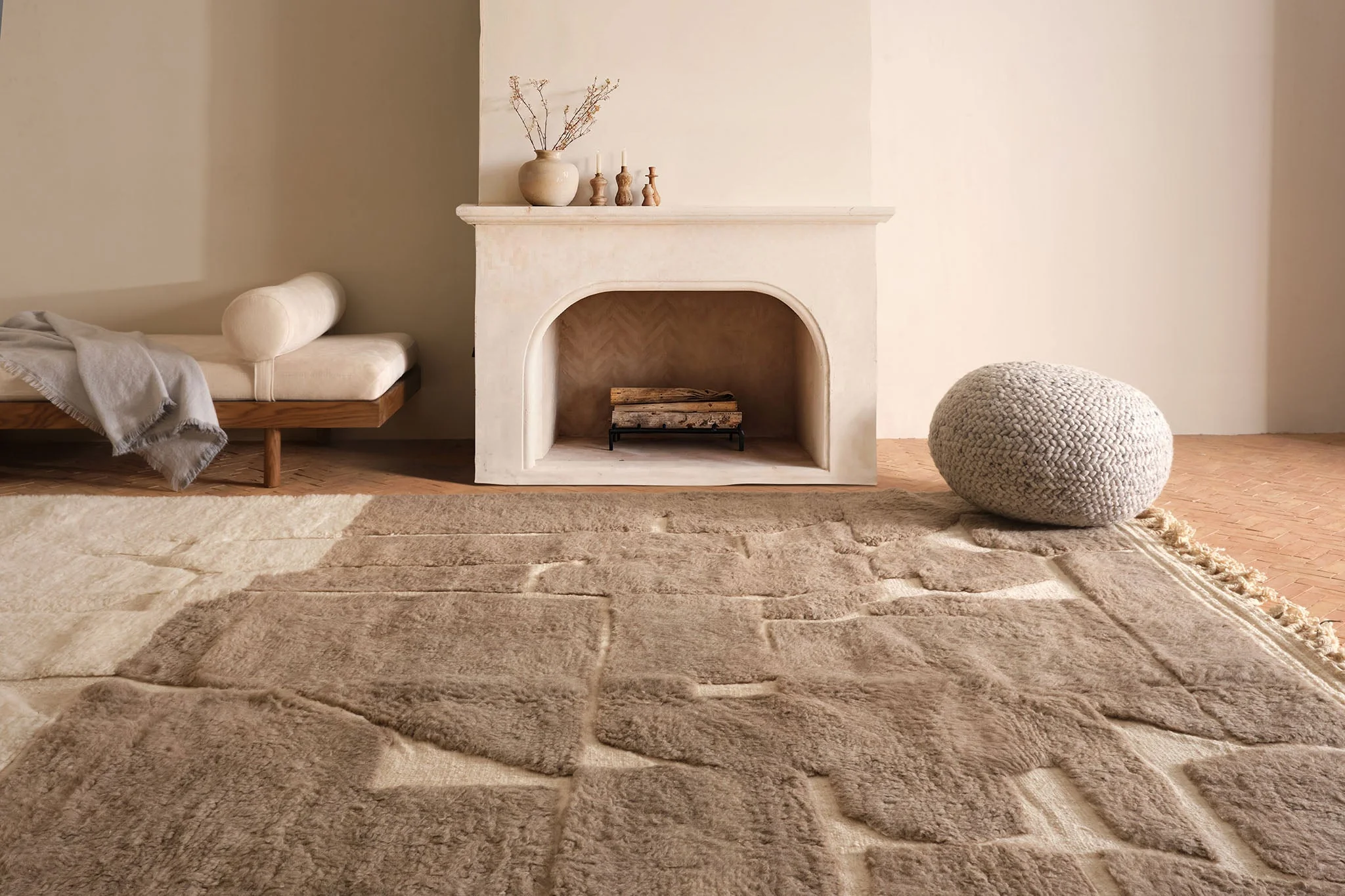
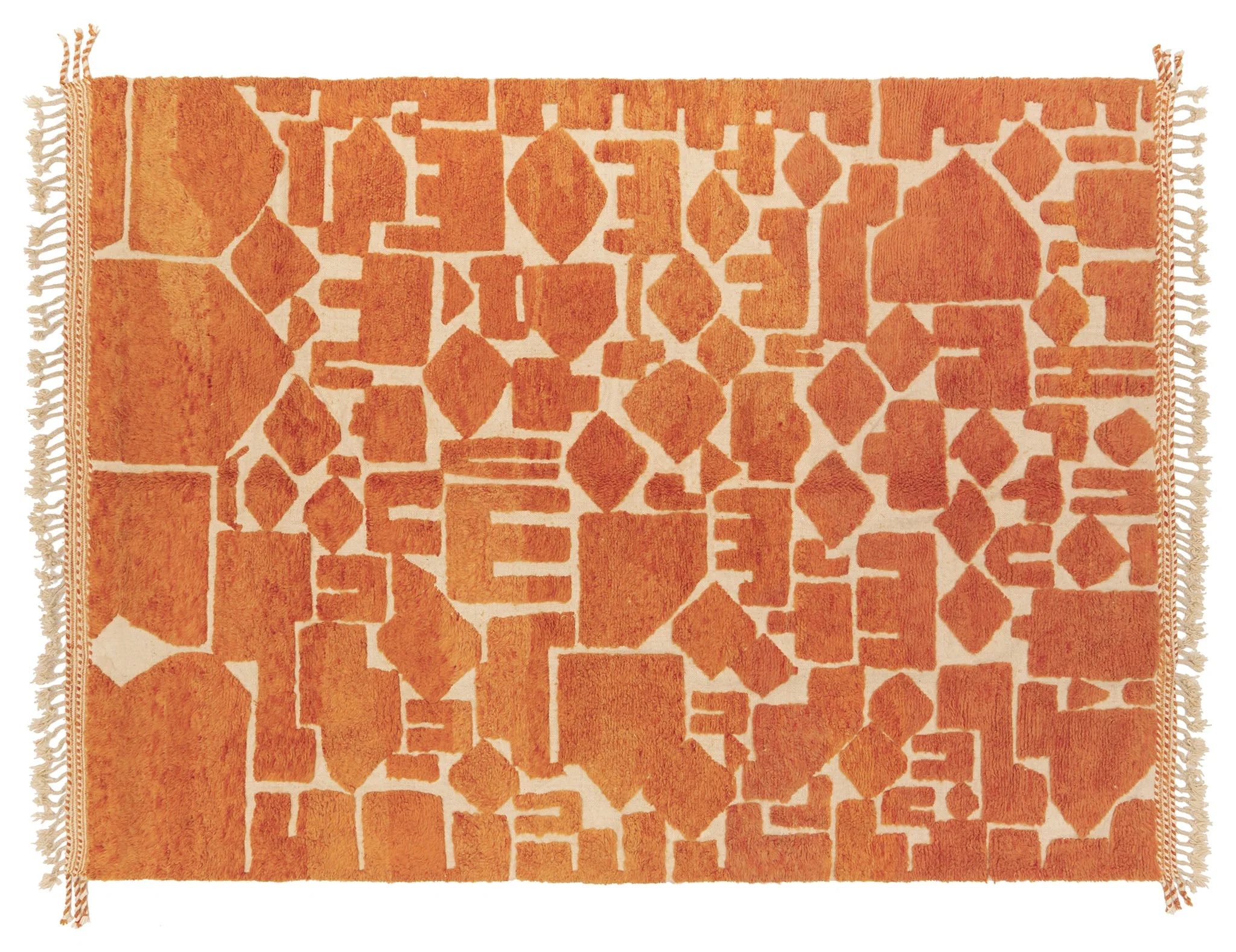
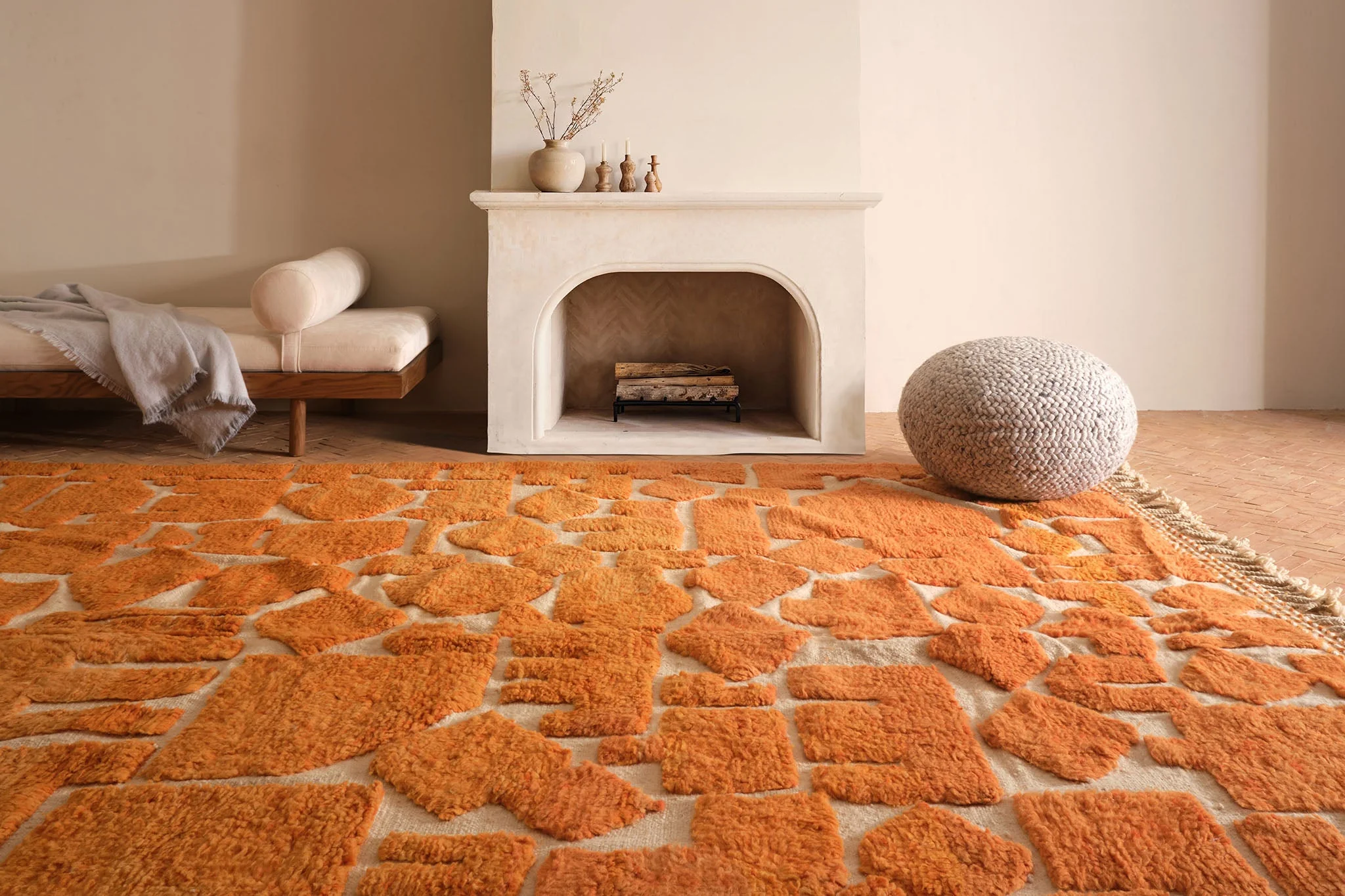
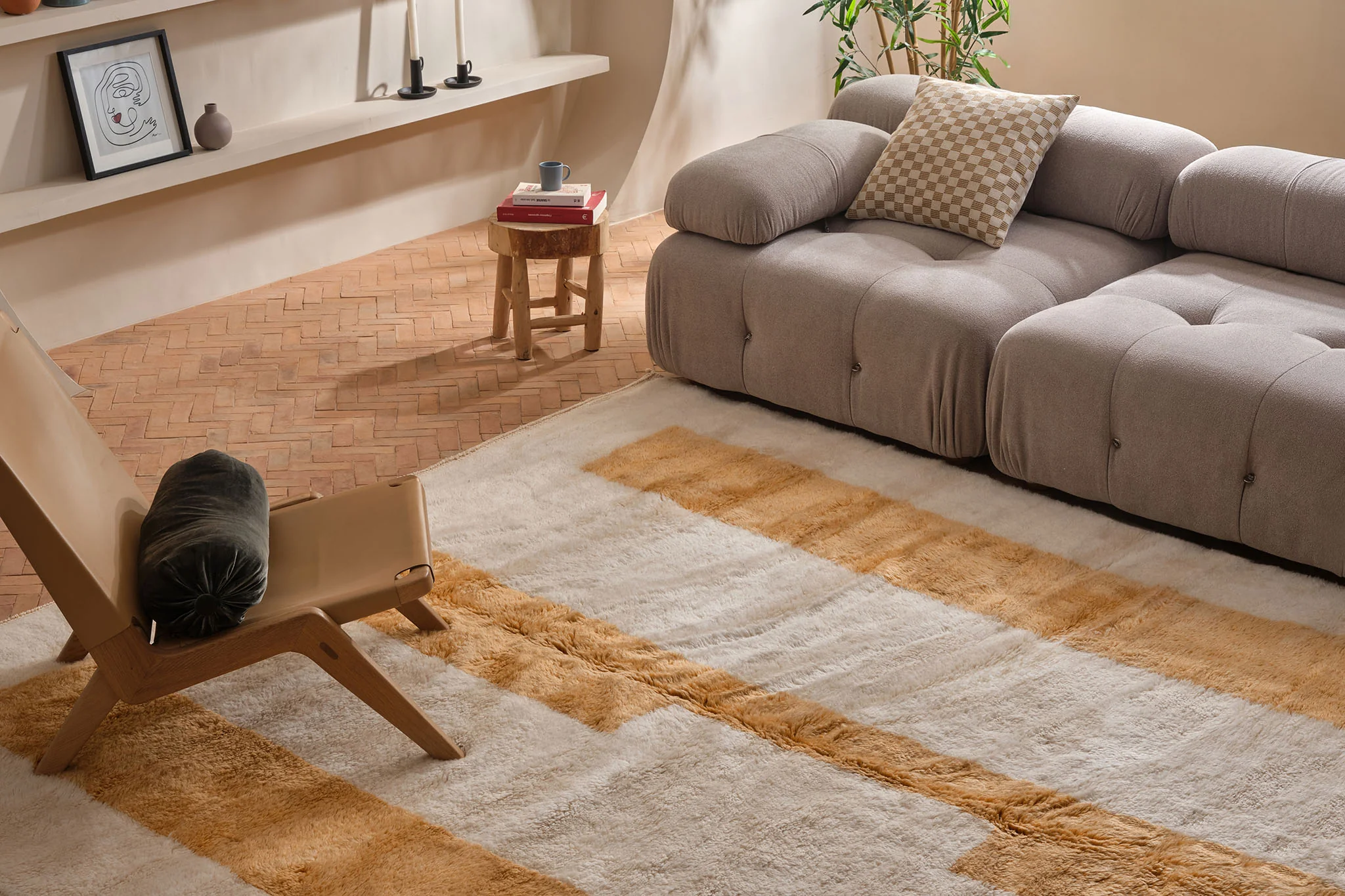
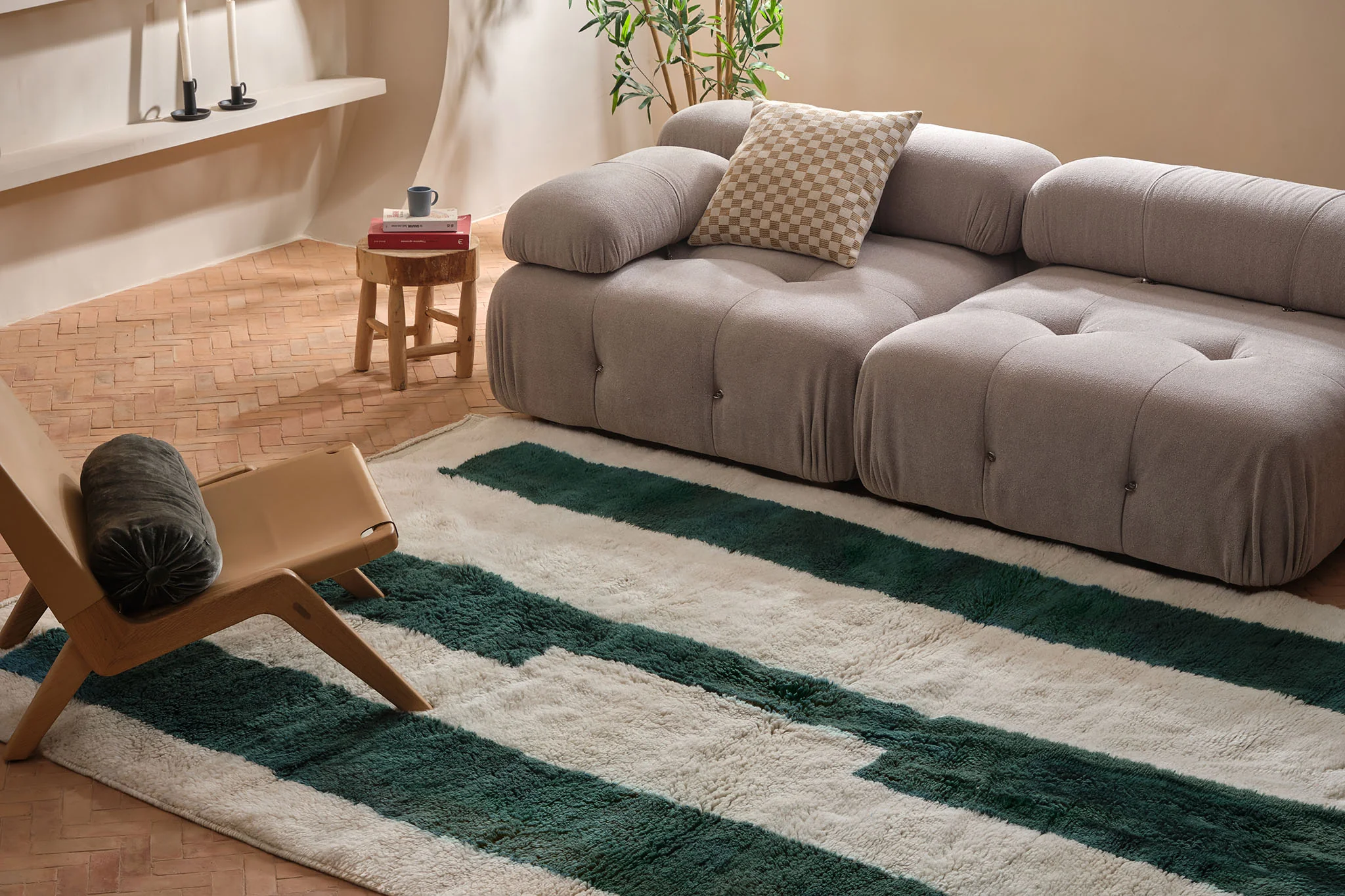
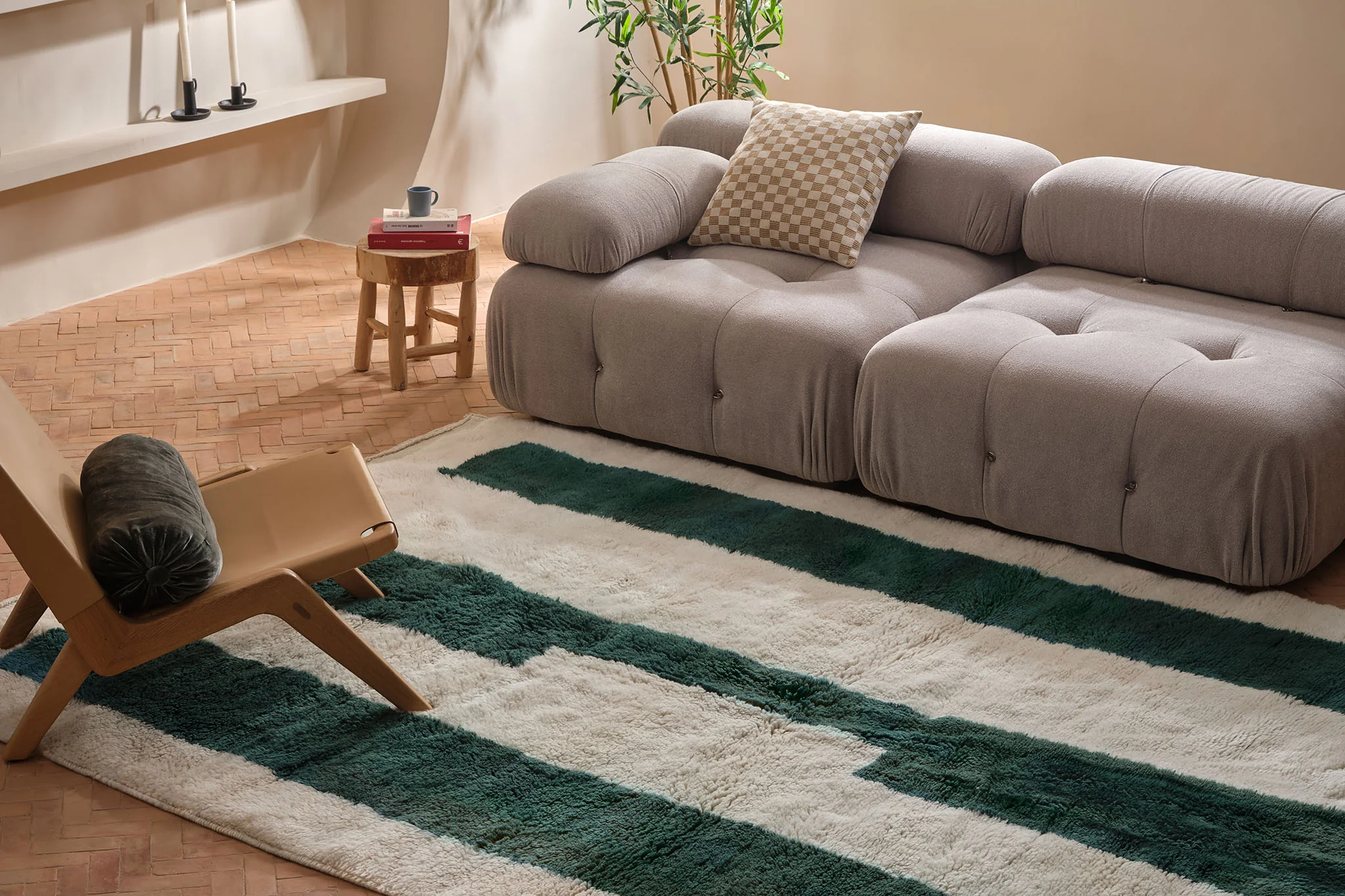
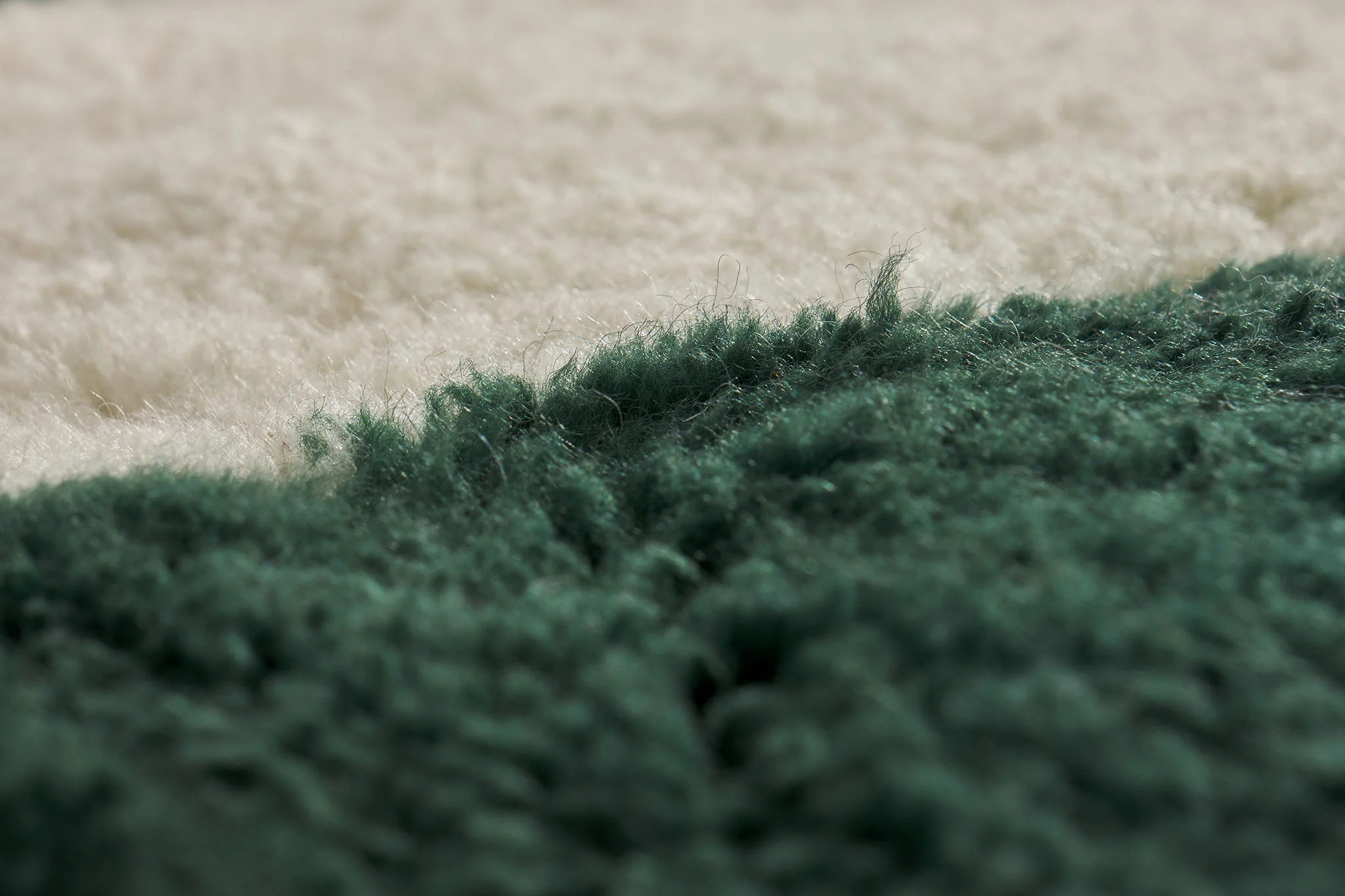
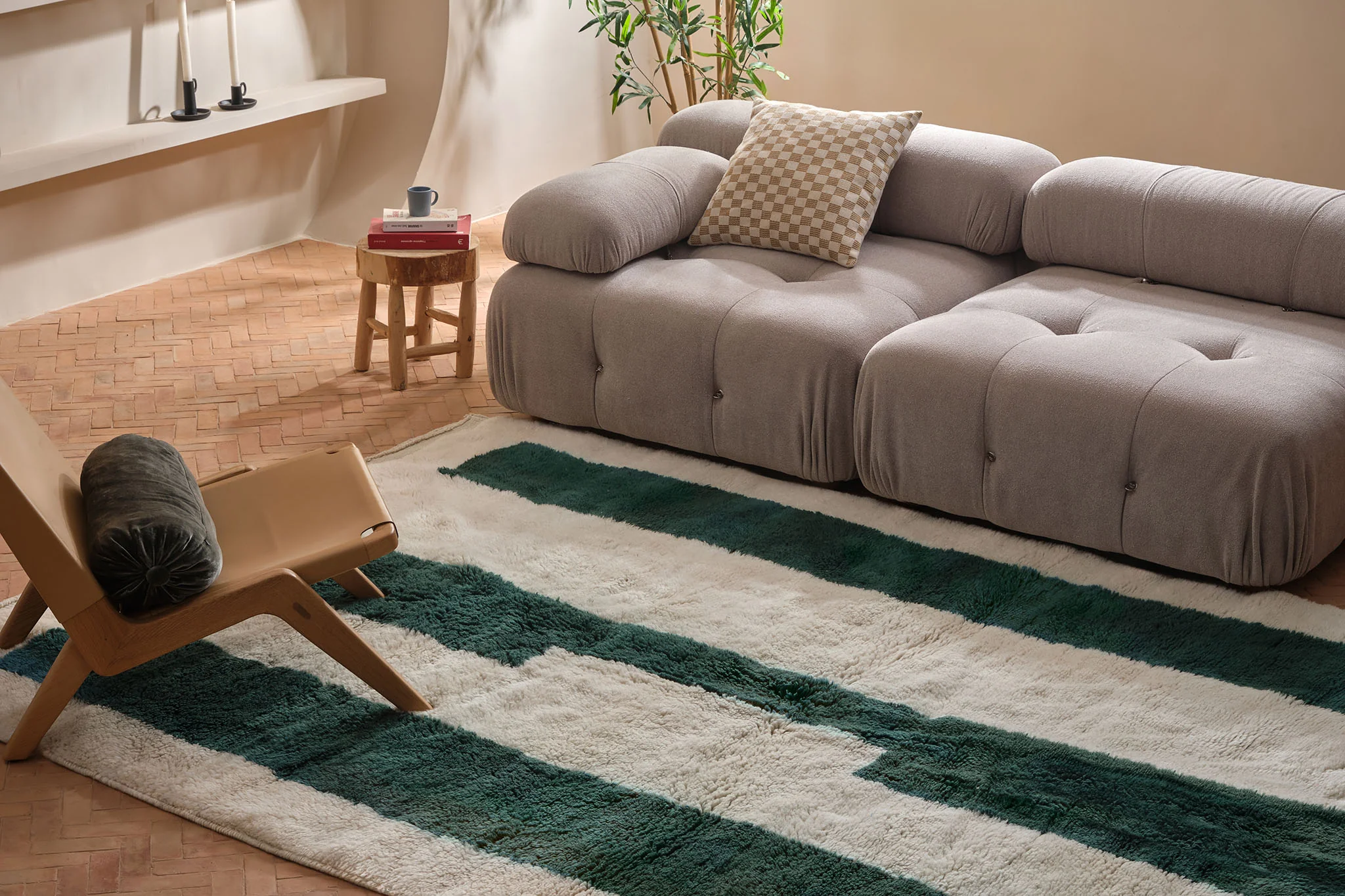
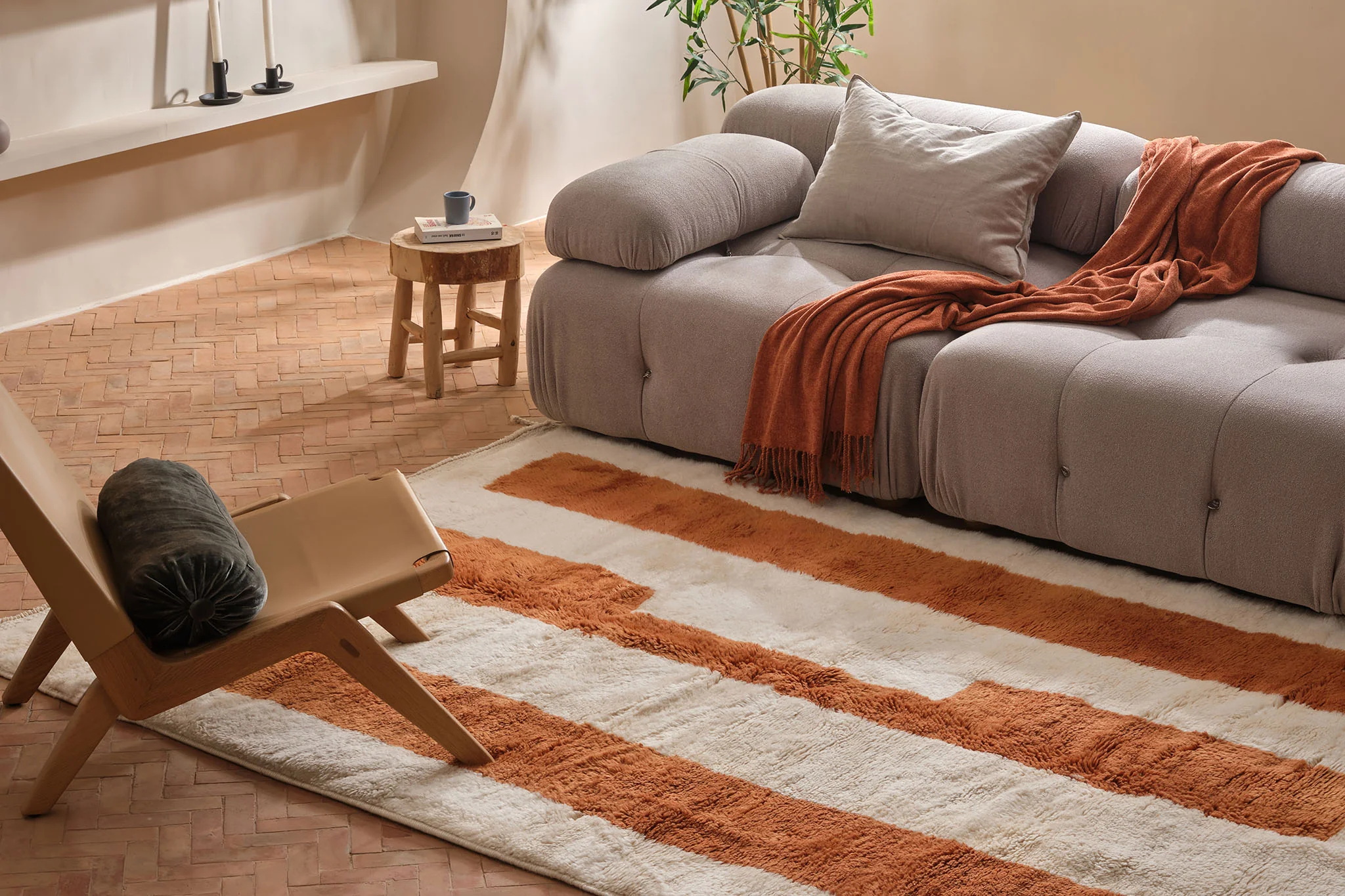
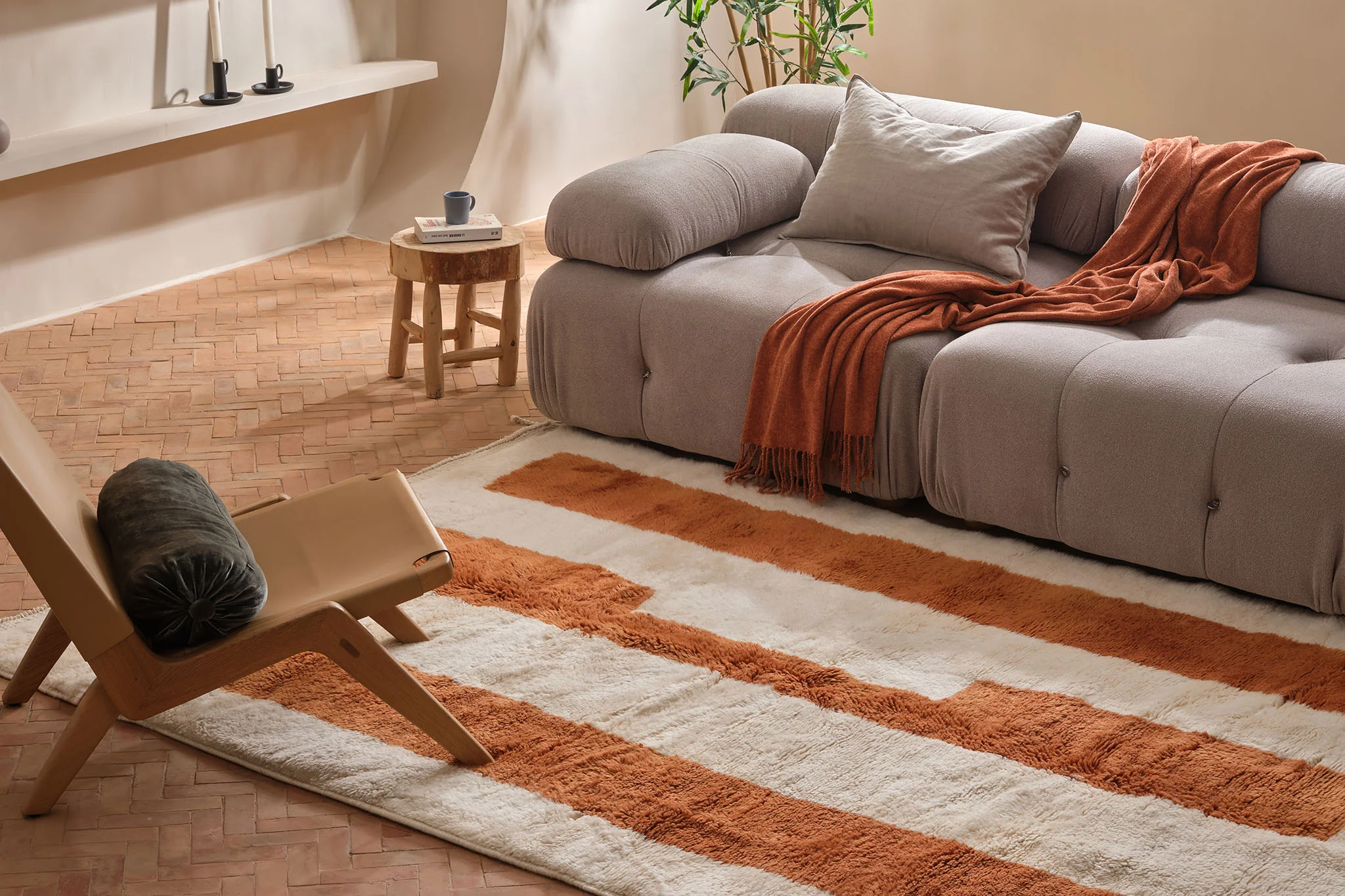
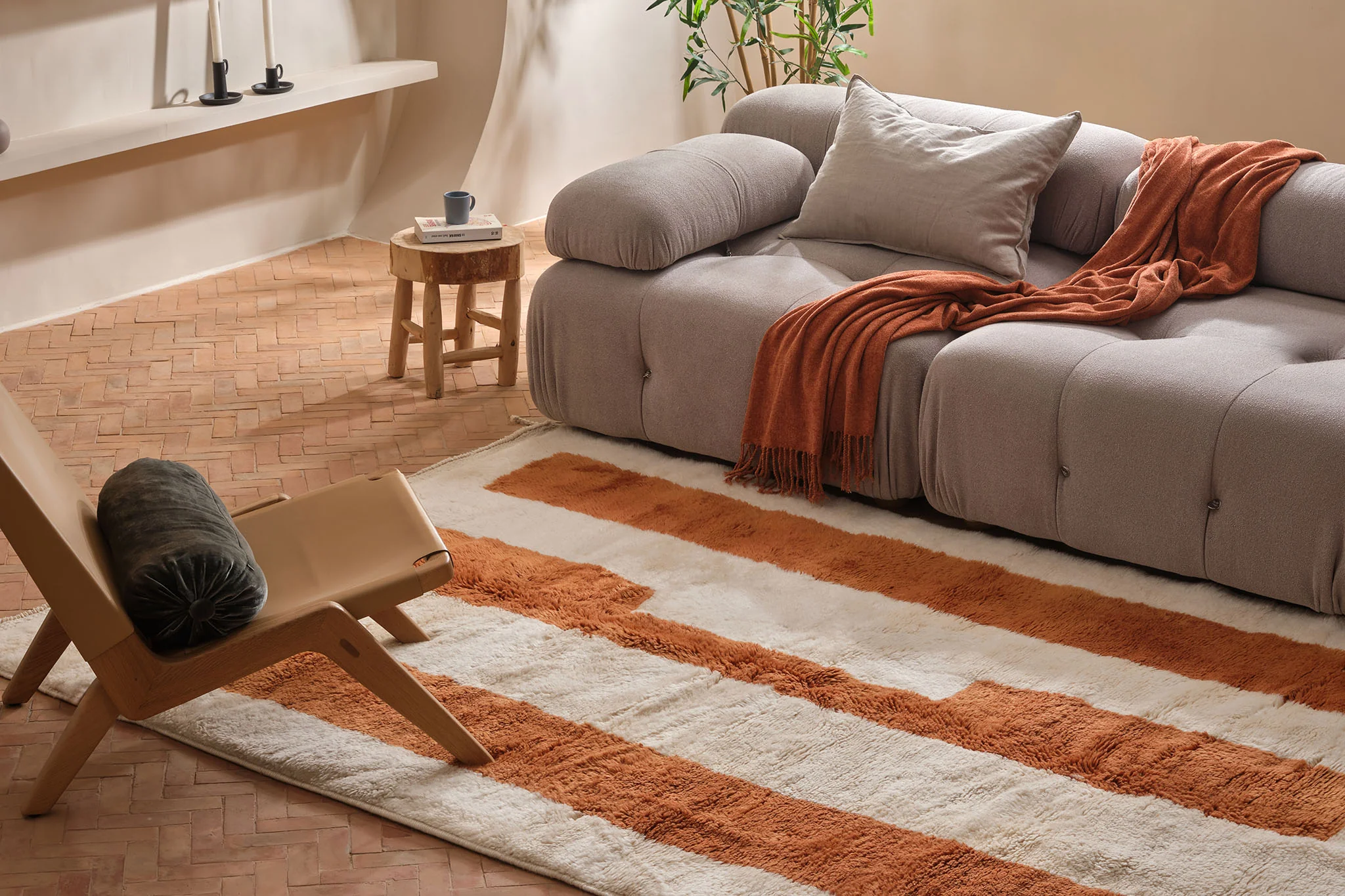
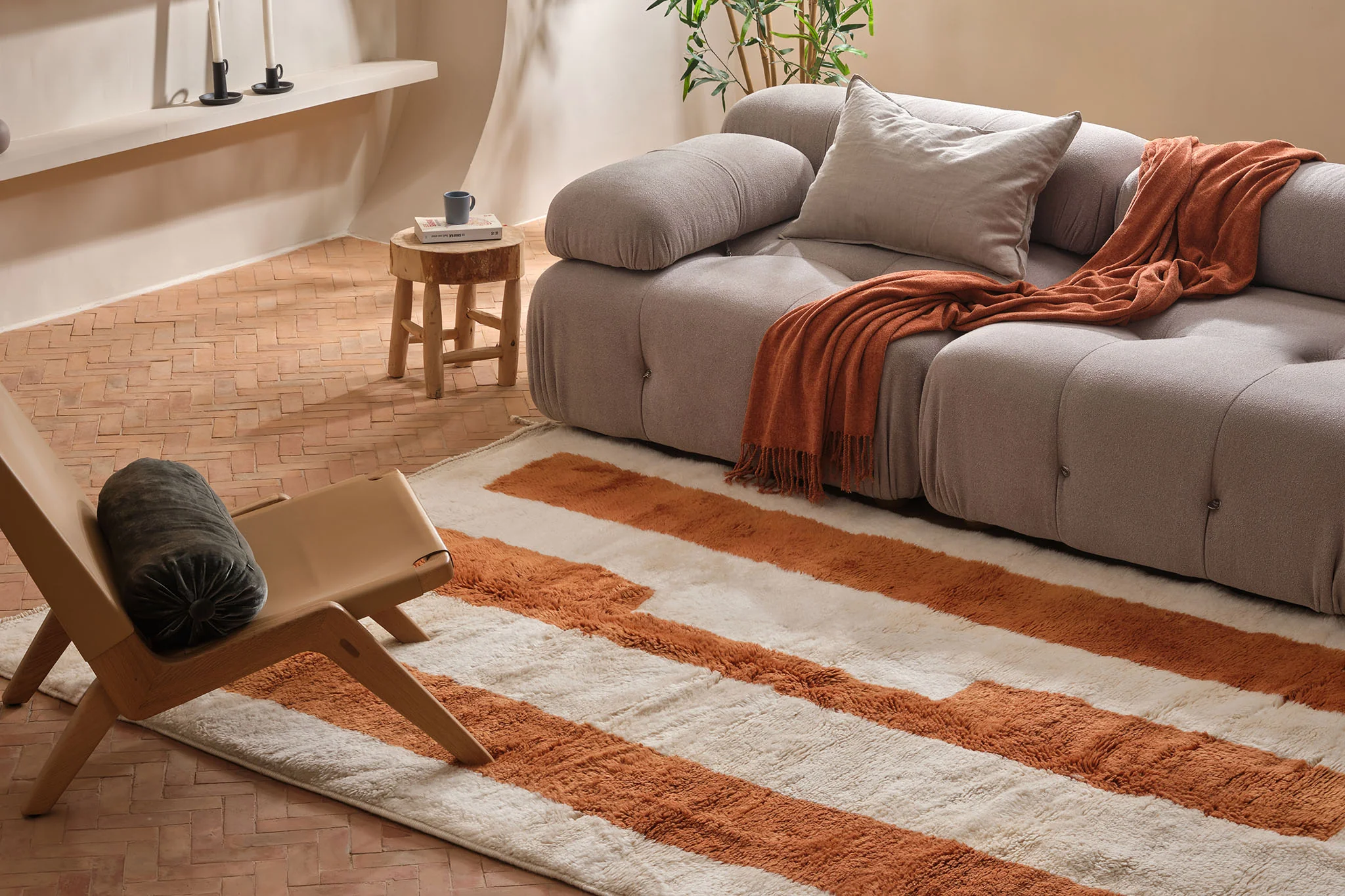
Oasis is our custom Moroccan rug collection, made-to-order pieces that are deliciously soft and floppy thanks to their wool warp. Perfect for lounging, their plush tousled pile is made with locally-sourced and processed Moroccan wool, creating a thick, strong weave that feels soft and fluffy underfoot. The weavers we collaborate with are amongst the most skilled on the planet, and they hand-knot each rug you order. Choose from a trio of desert-faded colors inspired by Atlas Mountains flora: olive, paprika, or marigold.
The Design
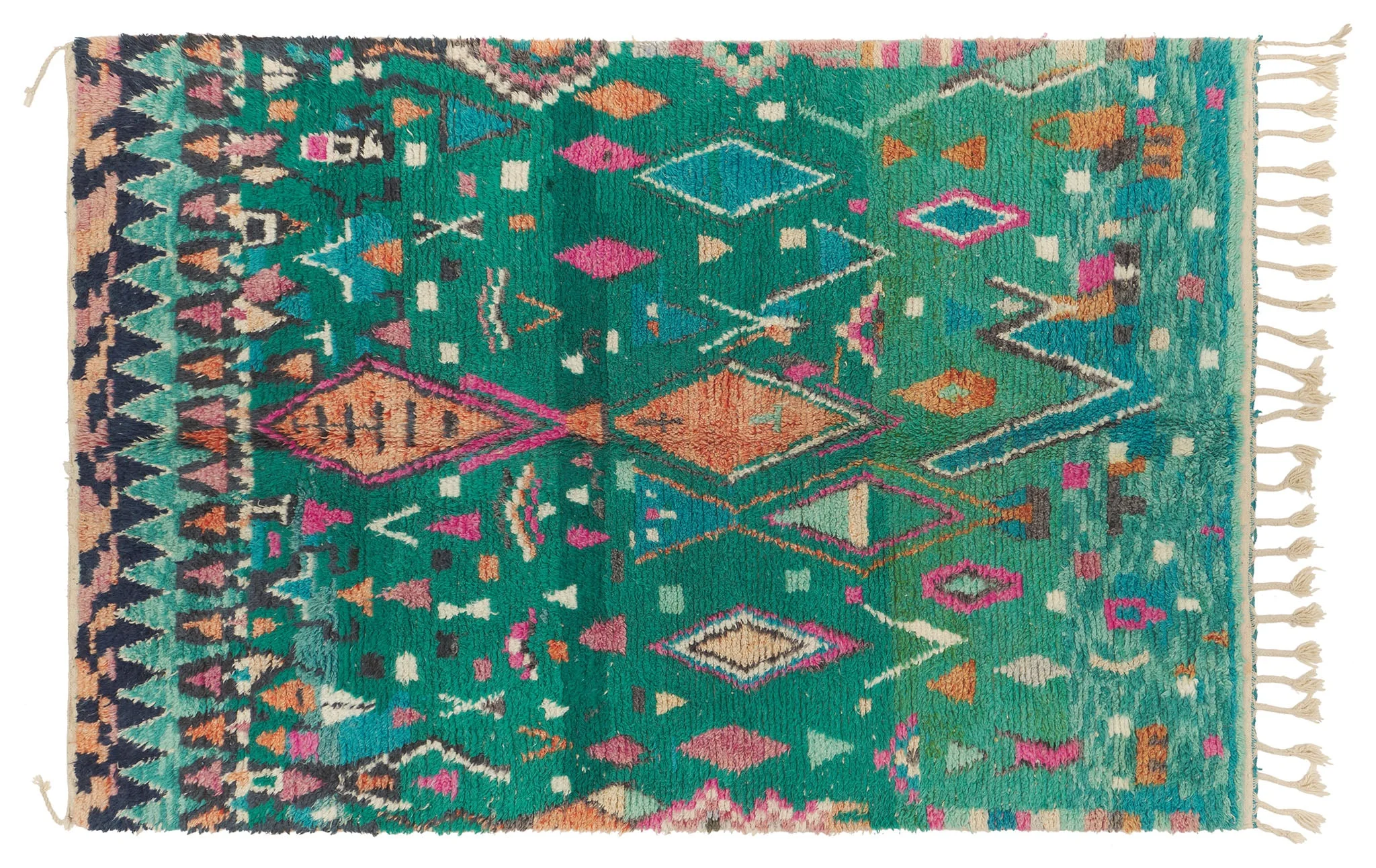
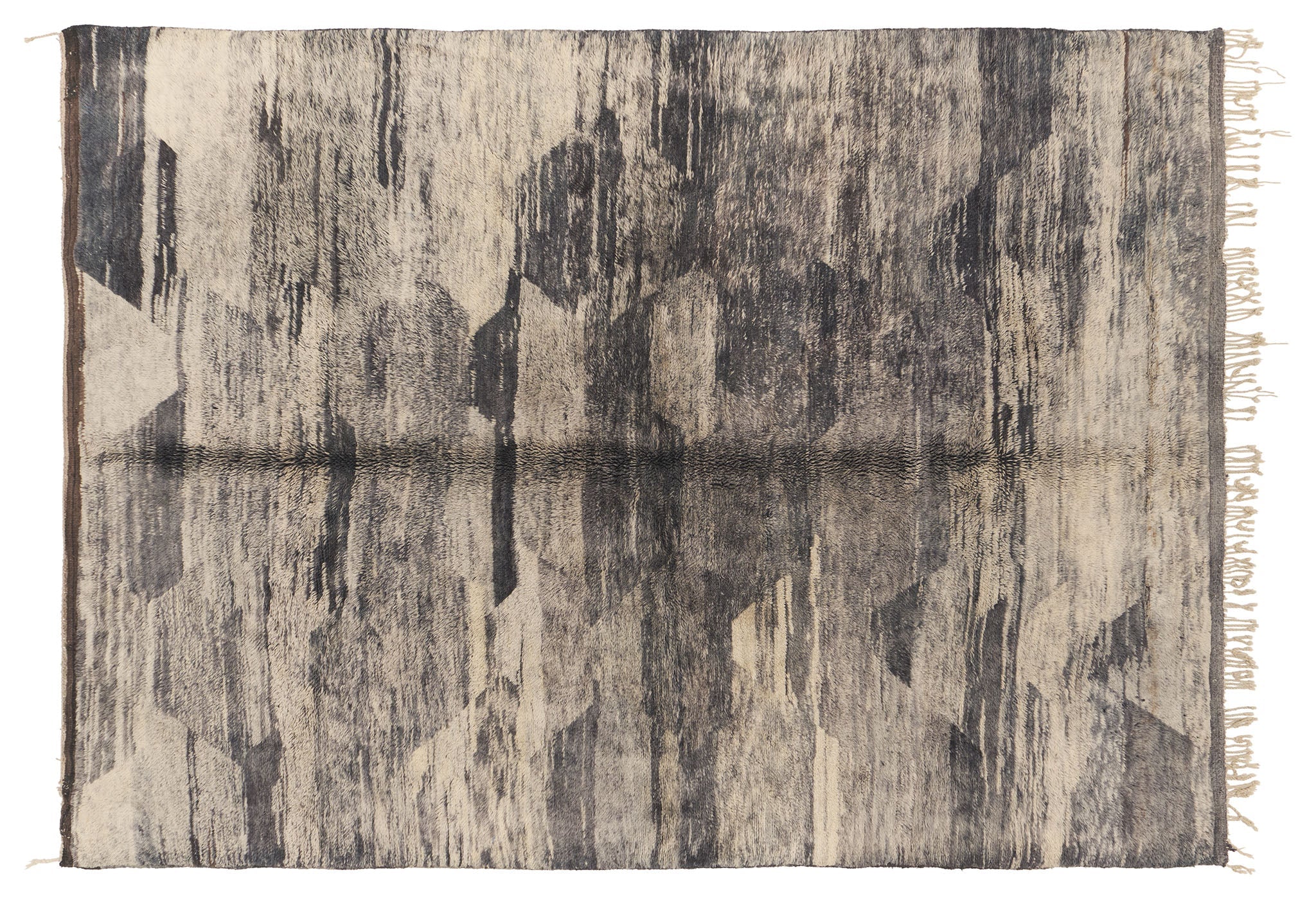
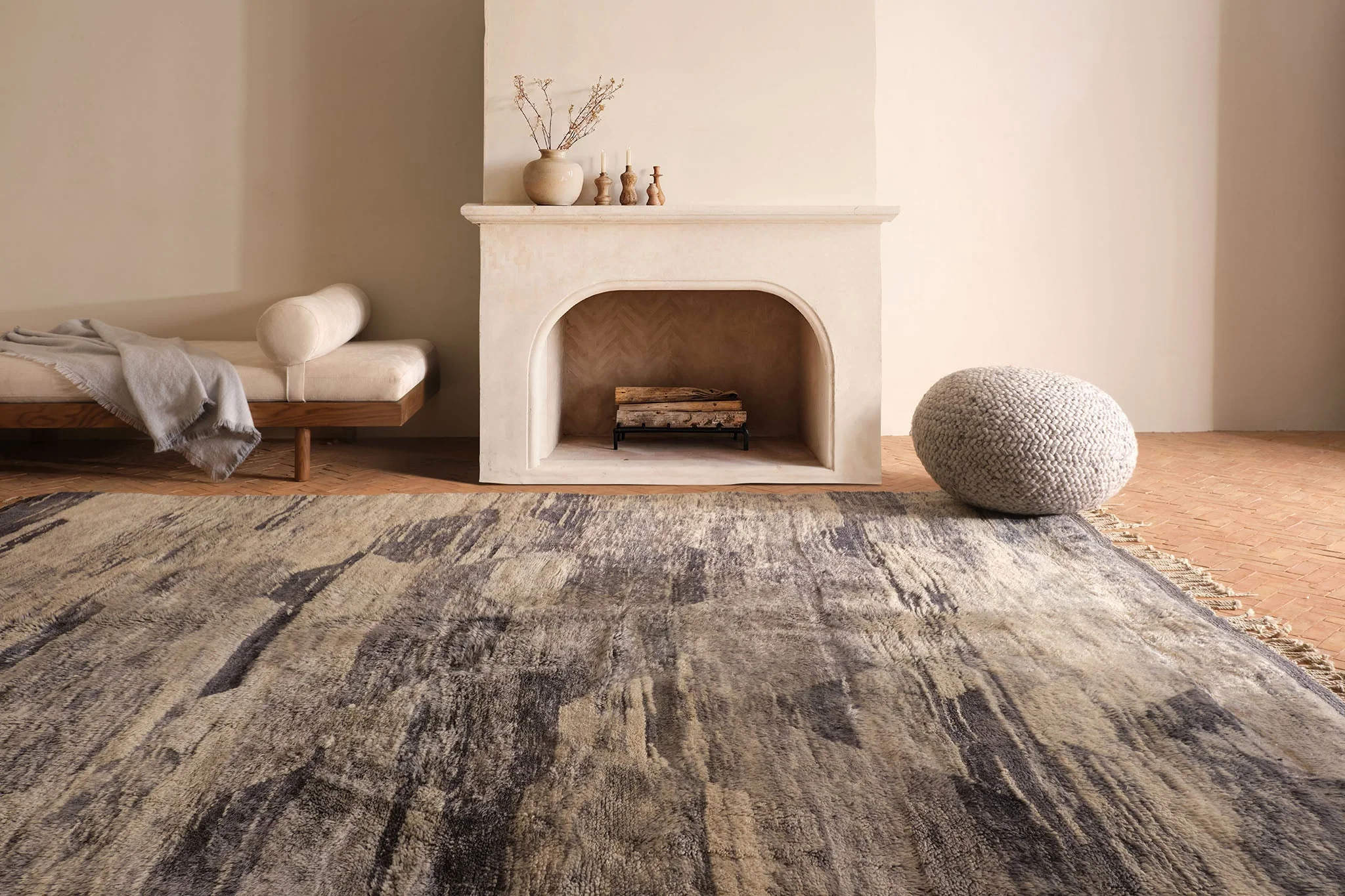
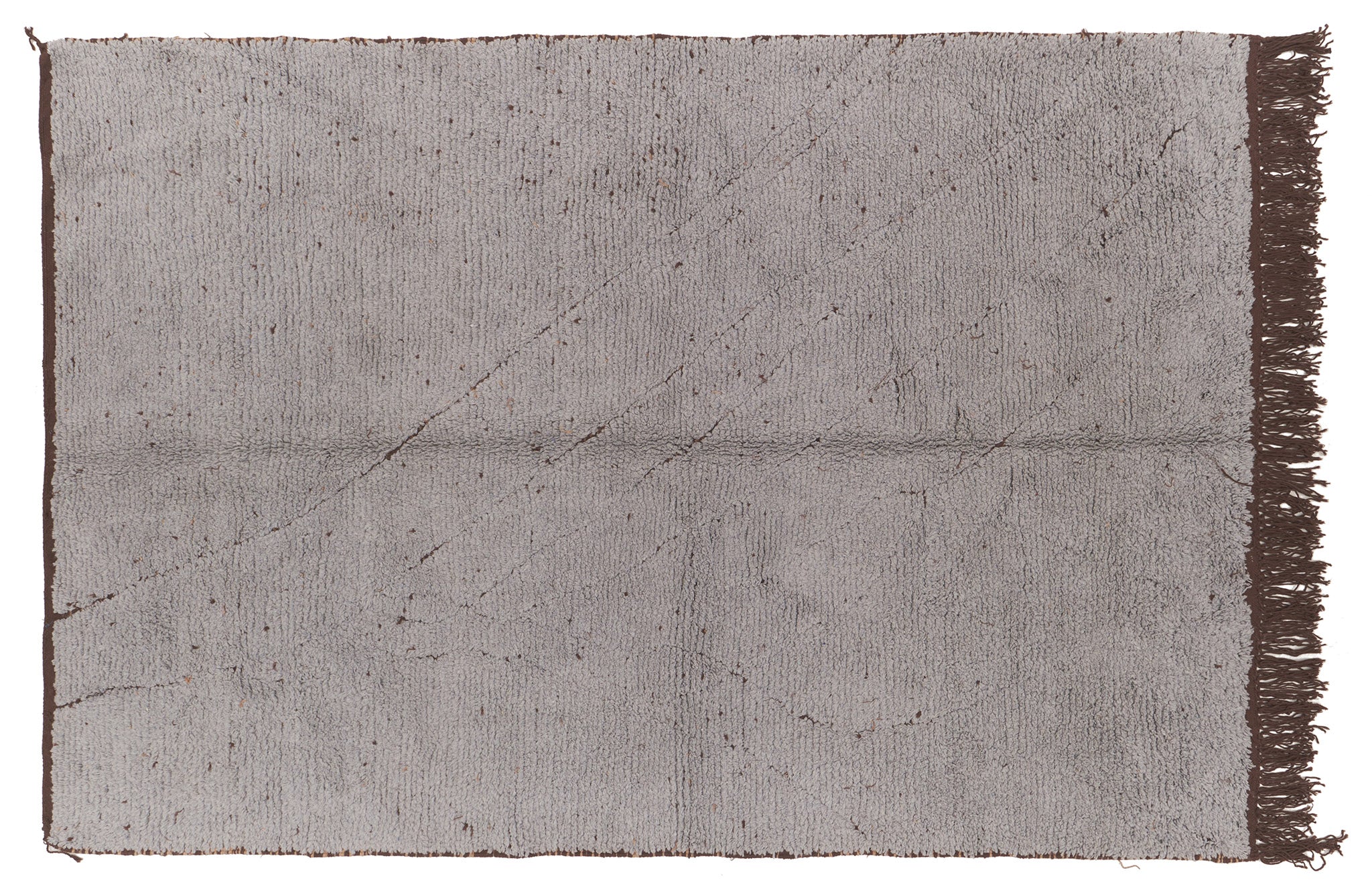
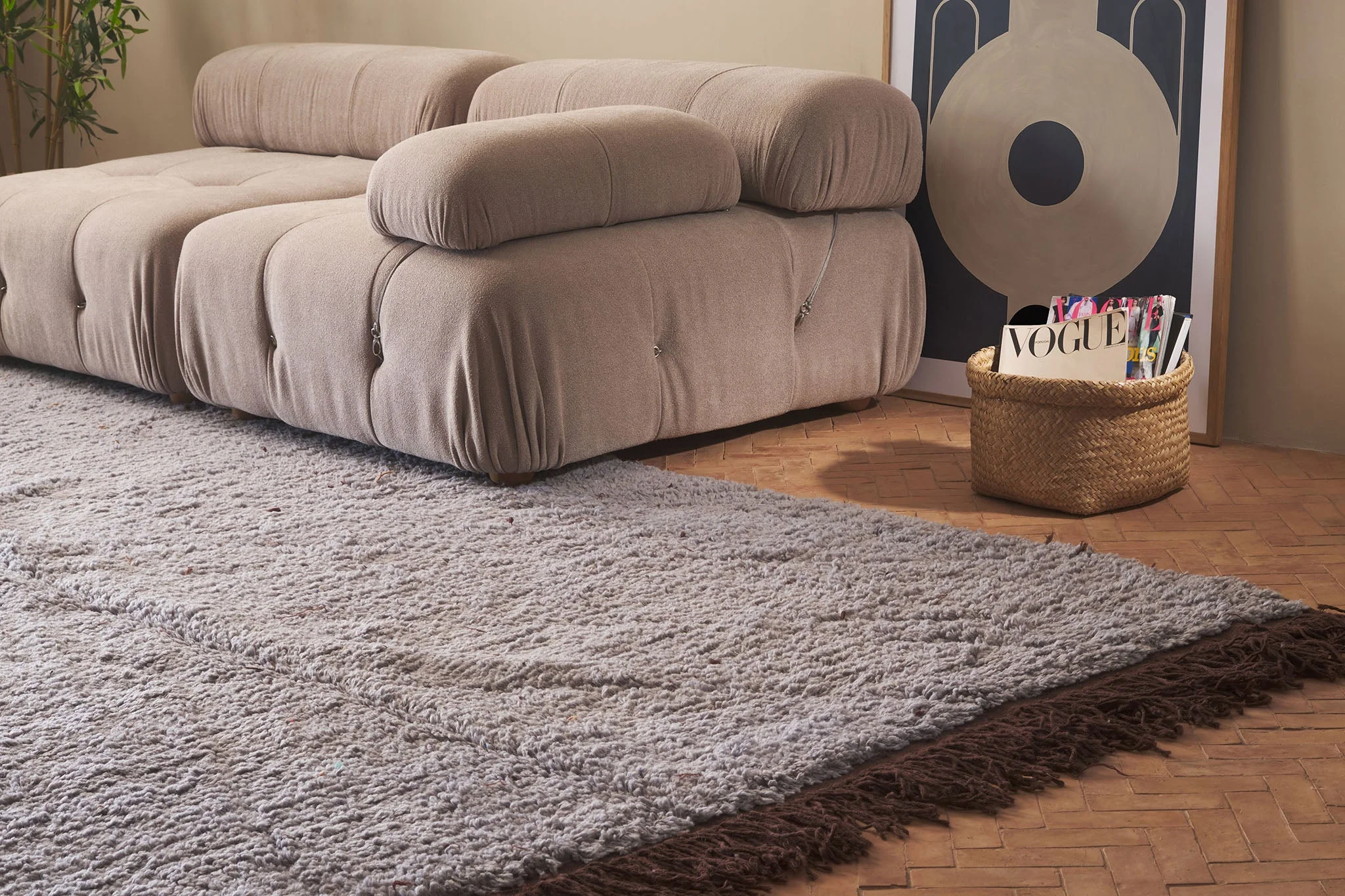
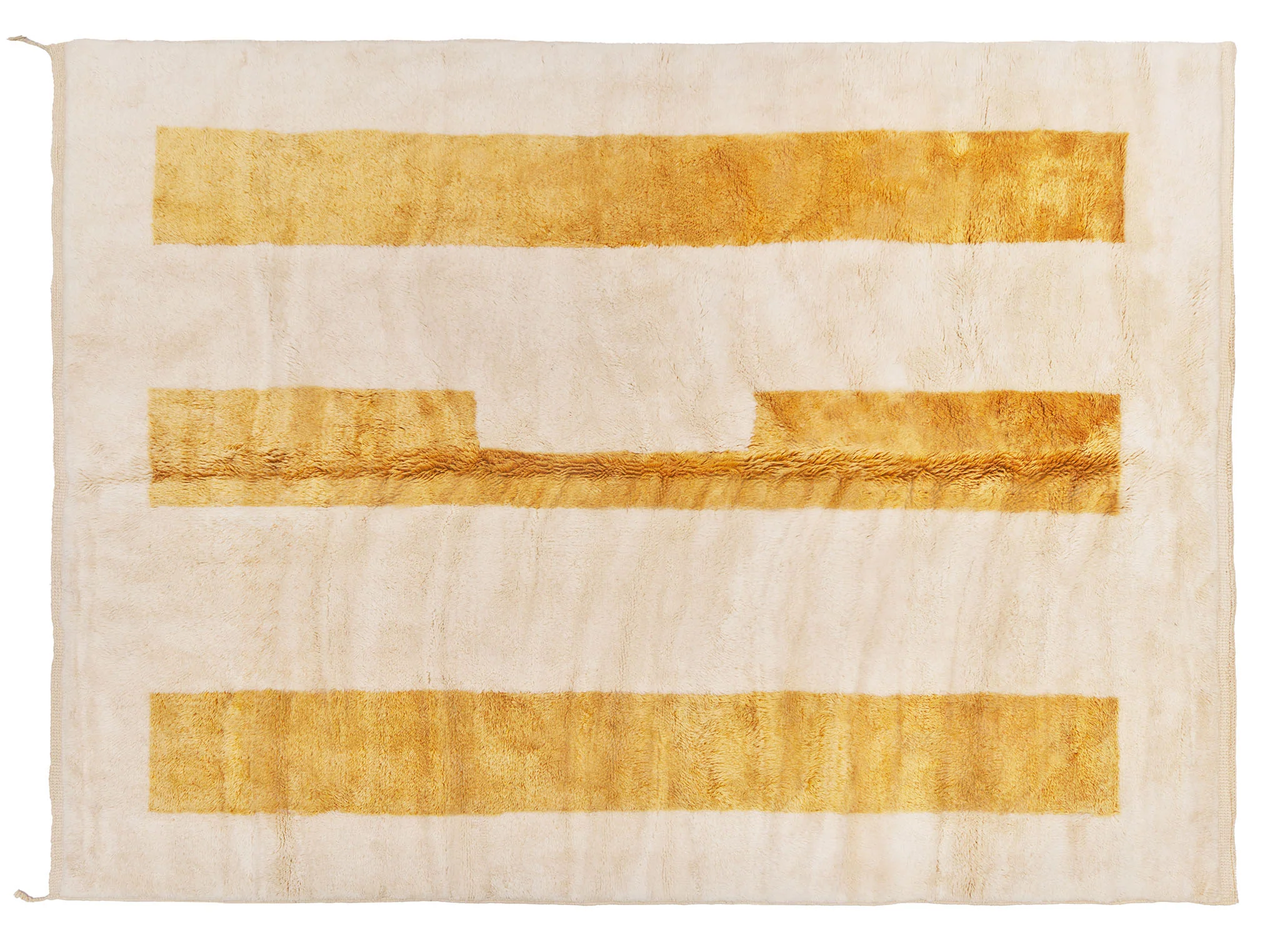
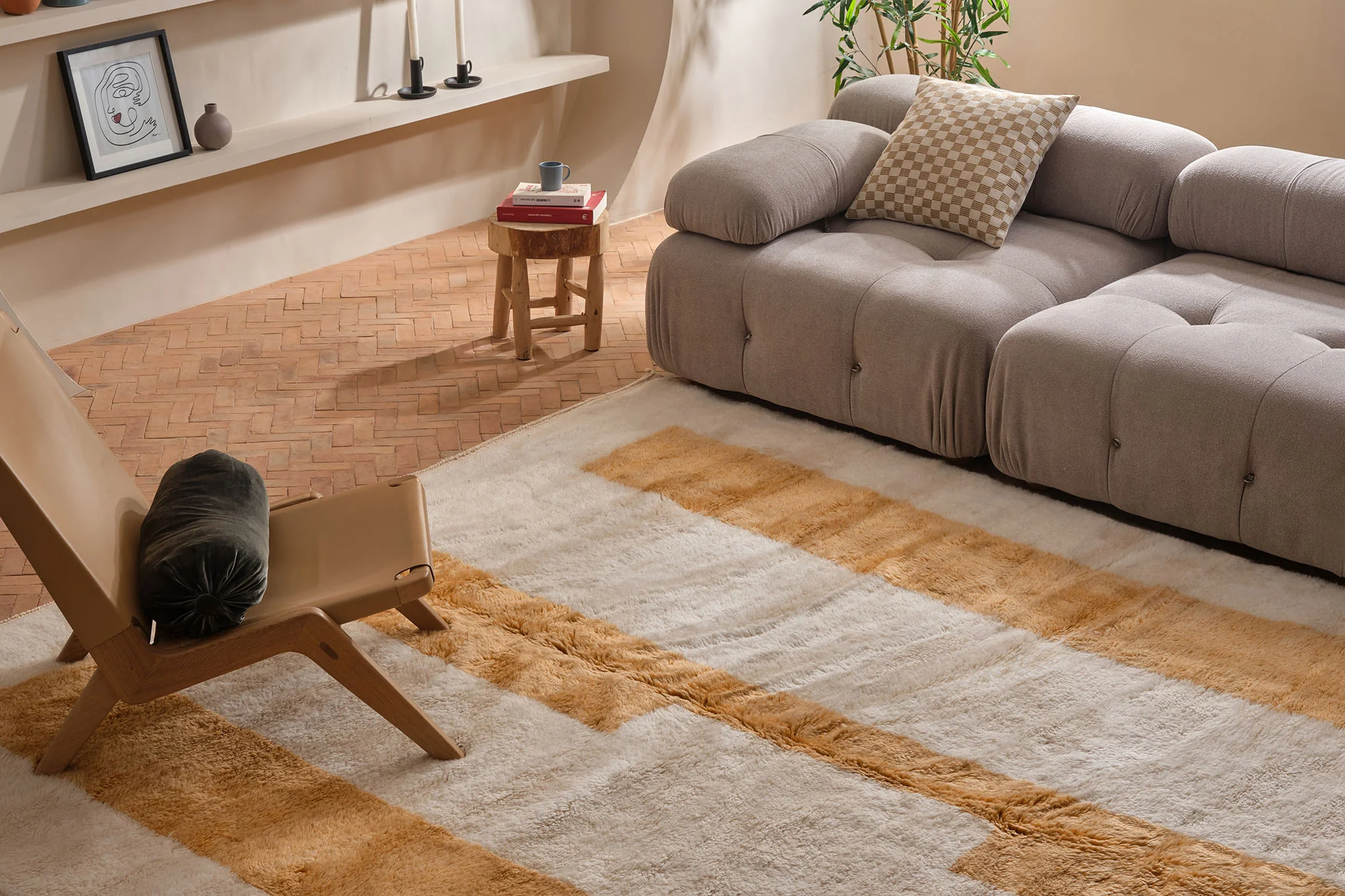
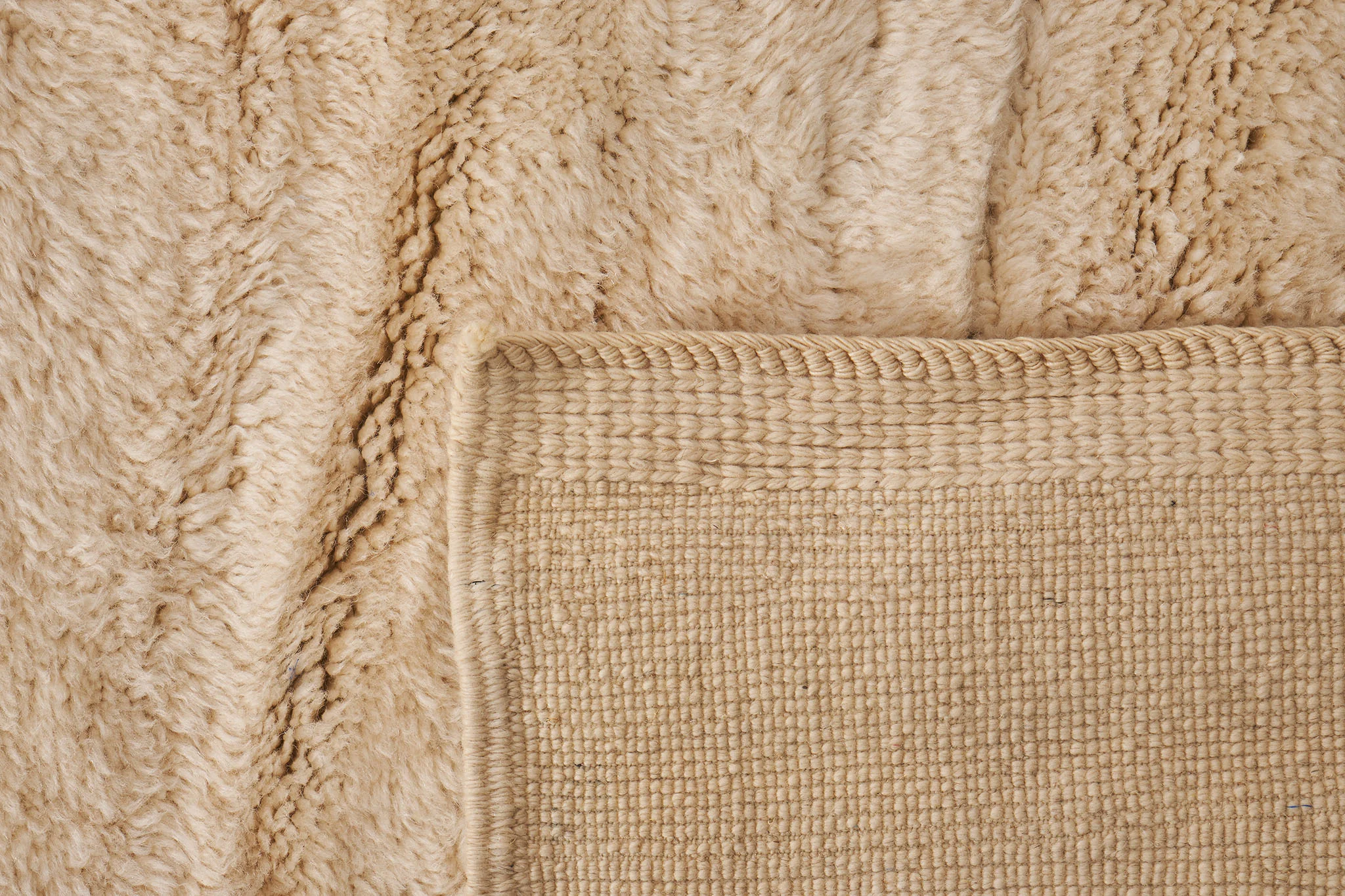
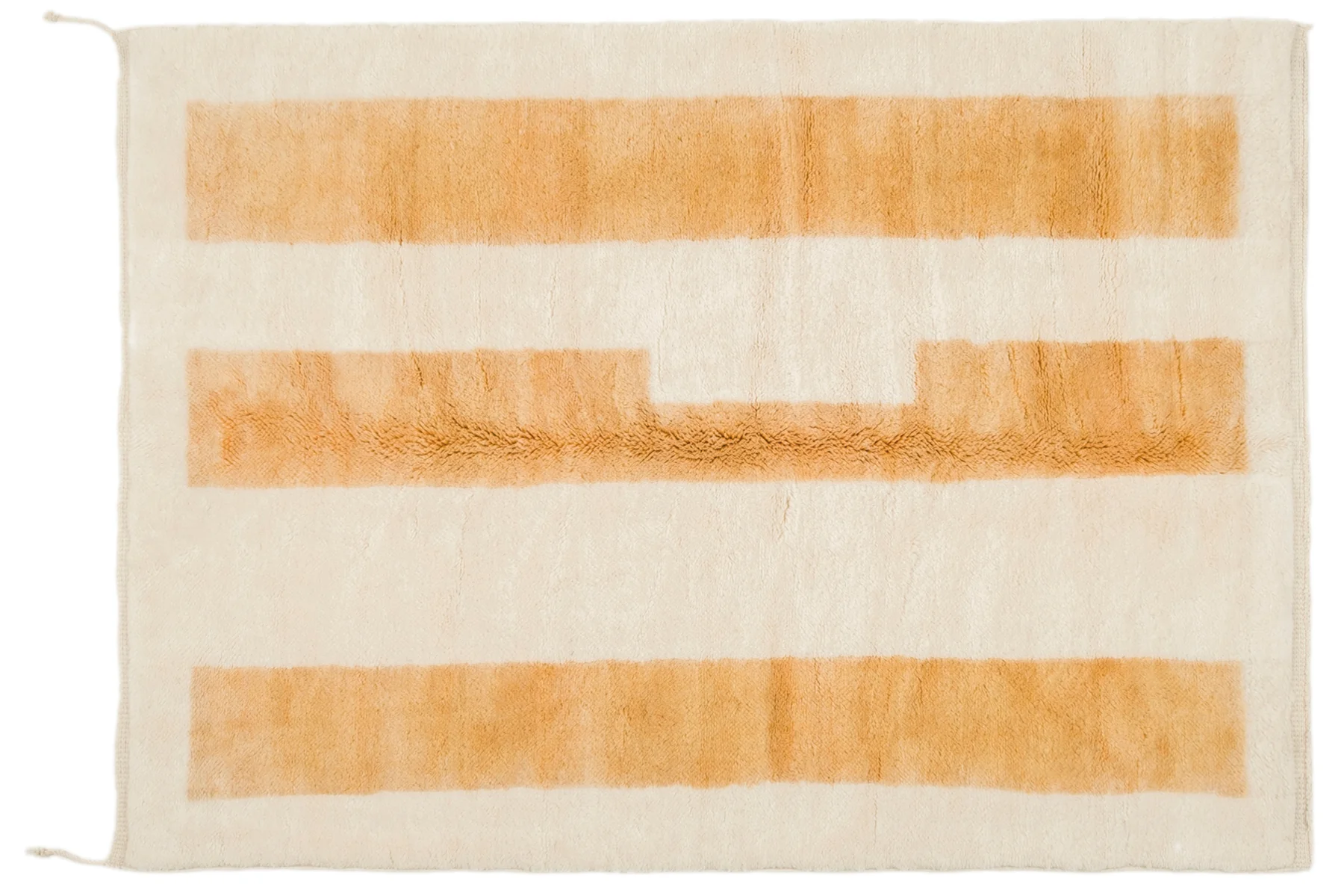
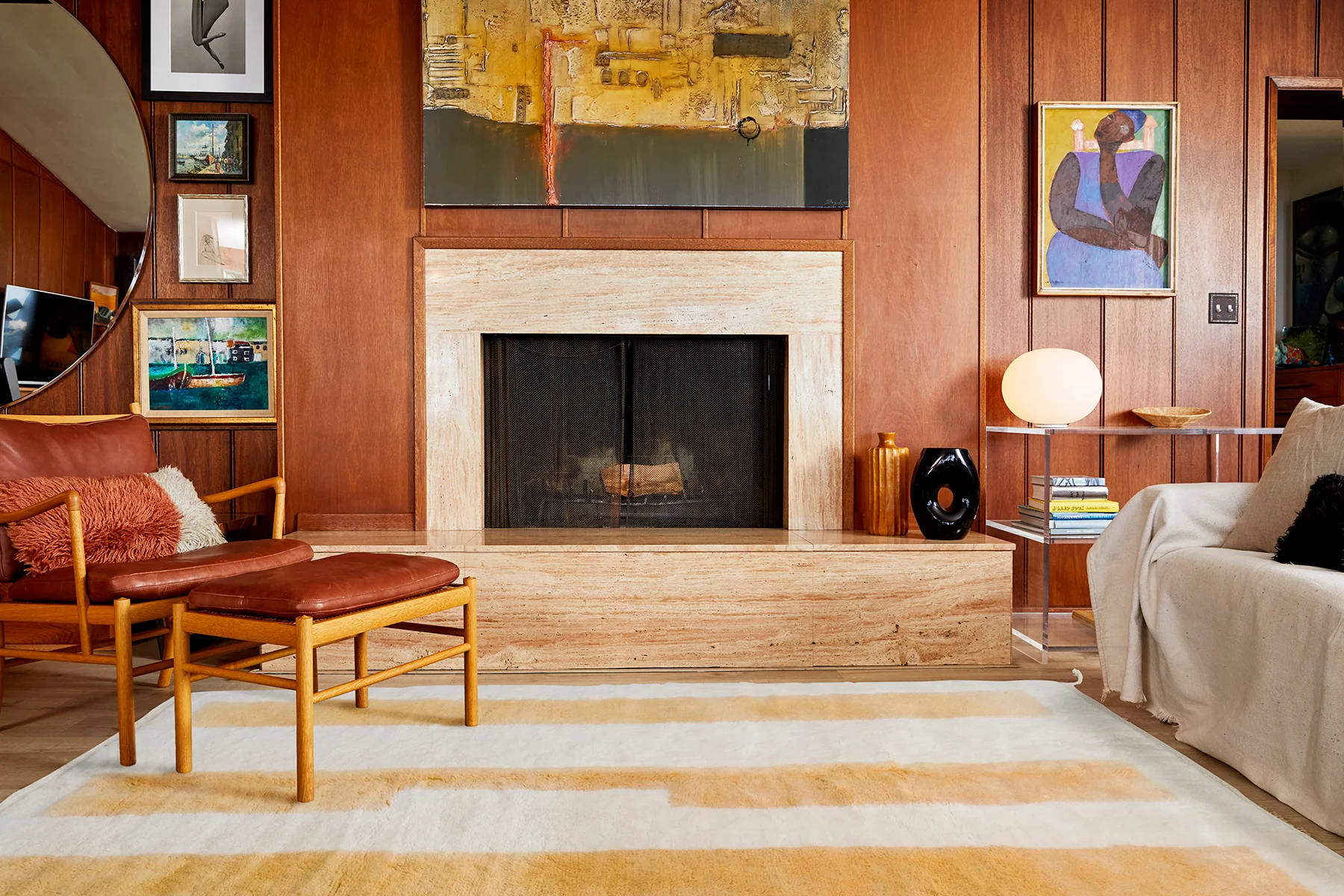
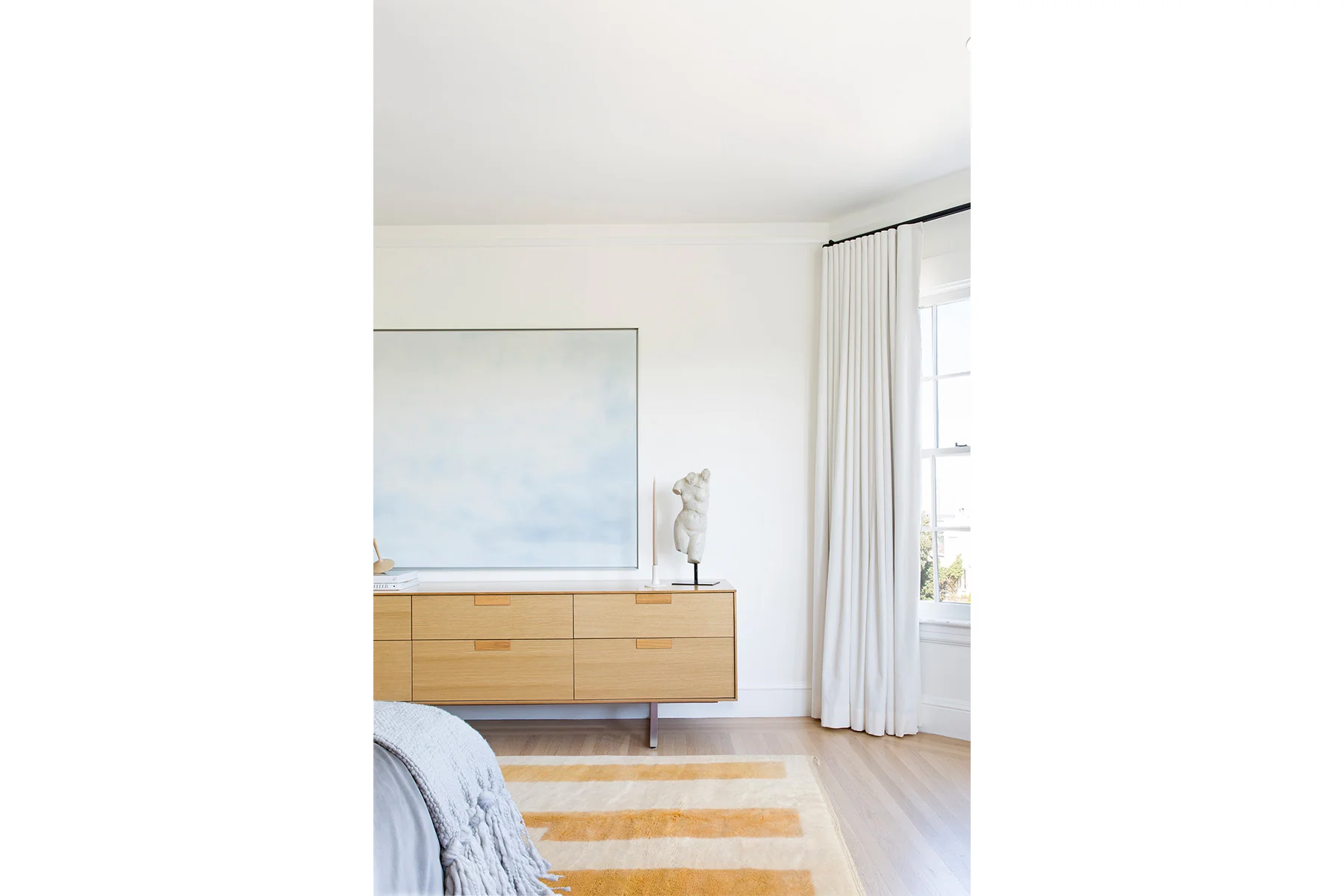
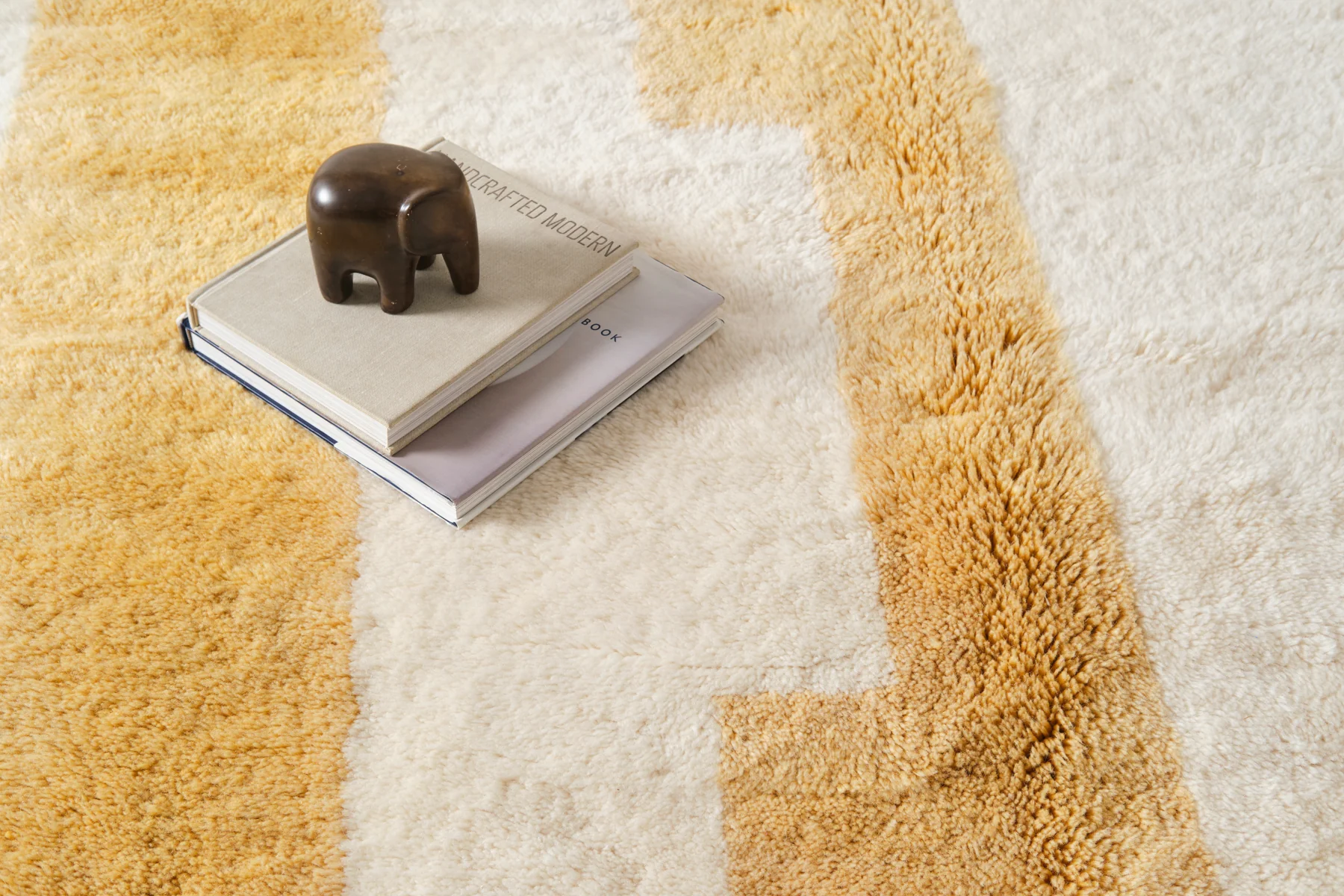
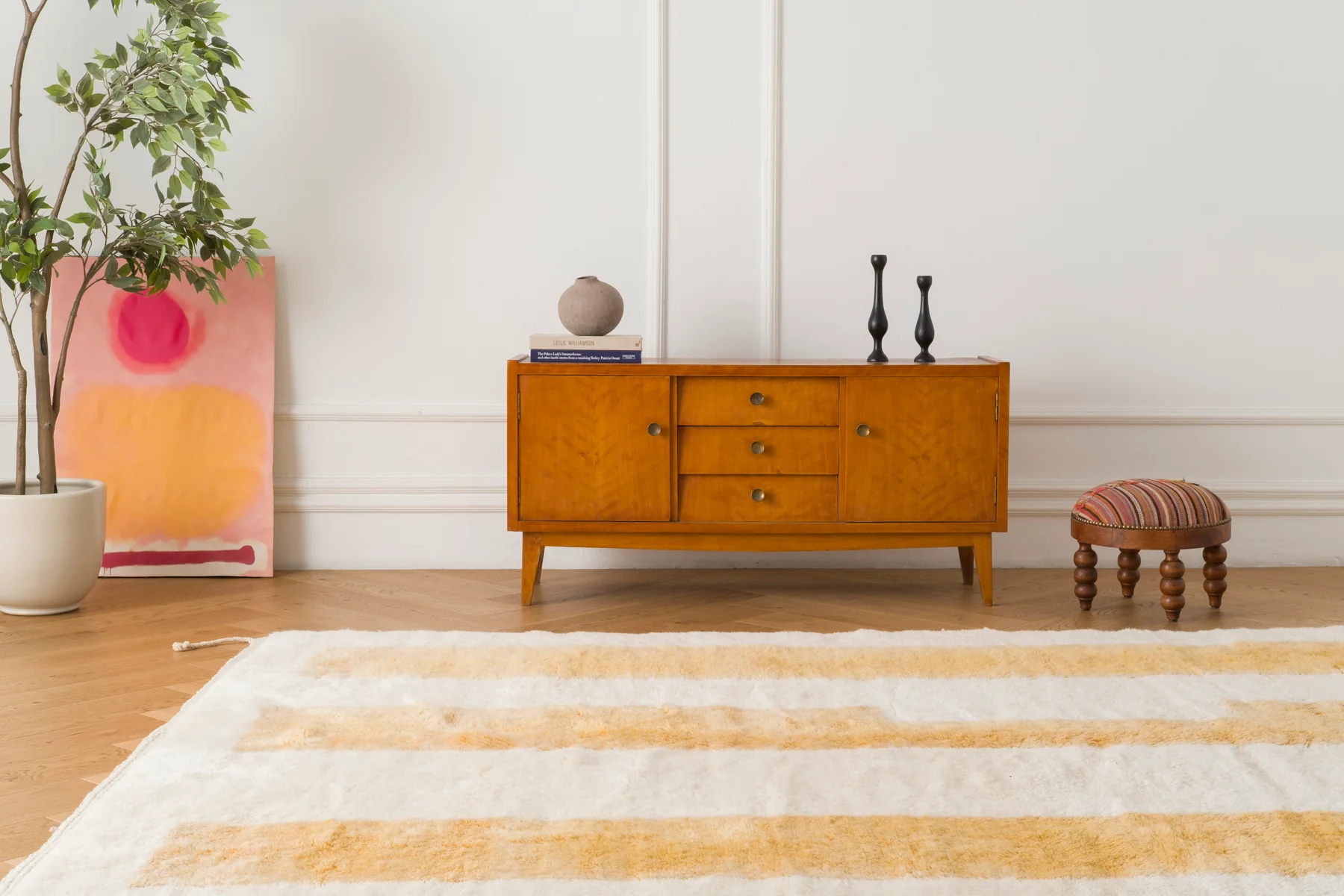
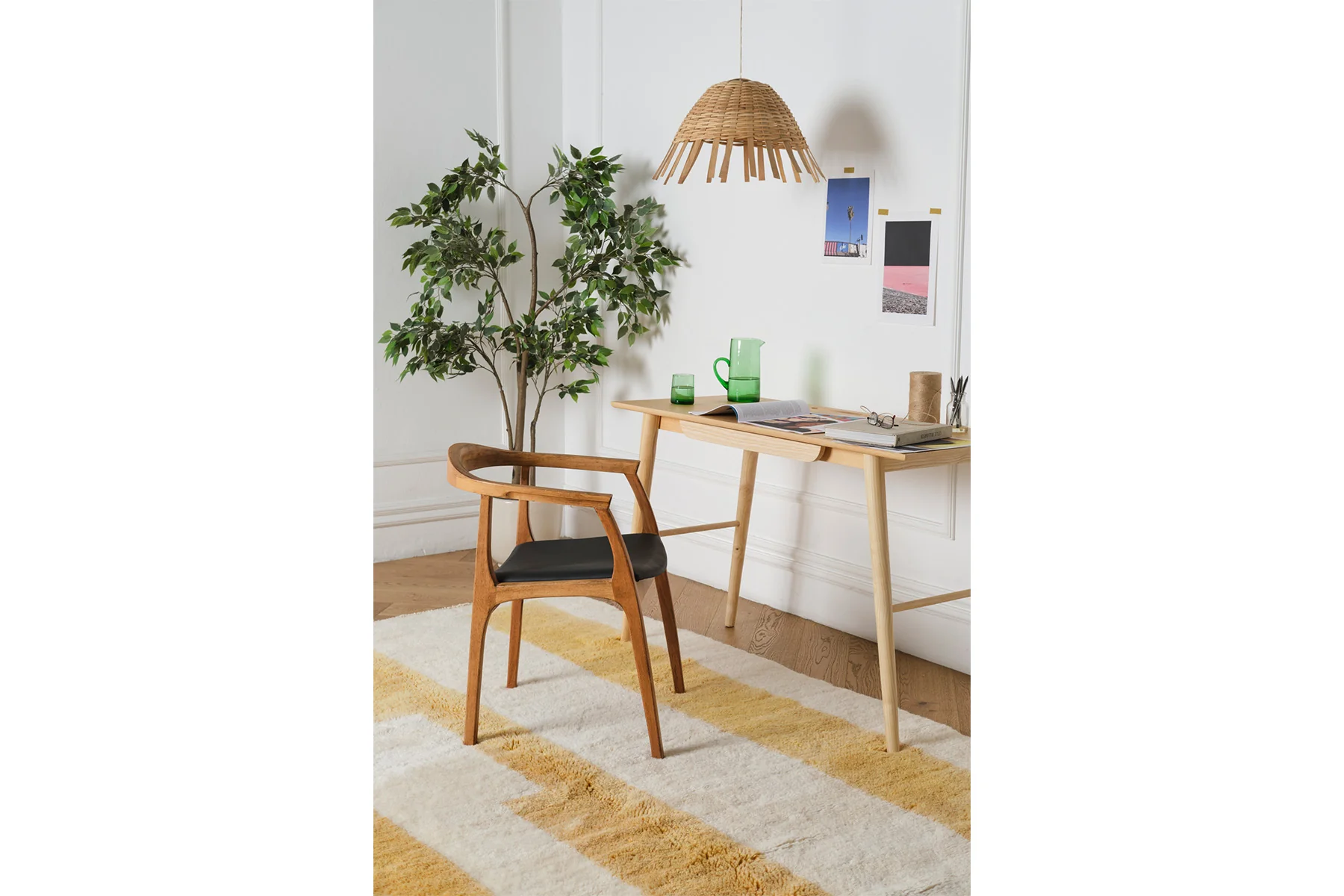
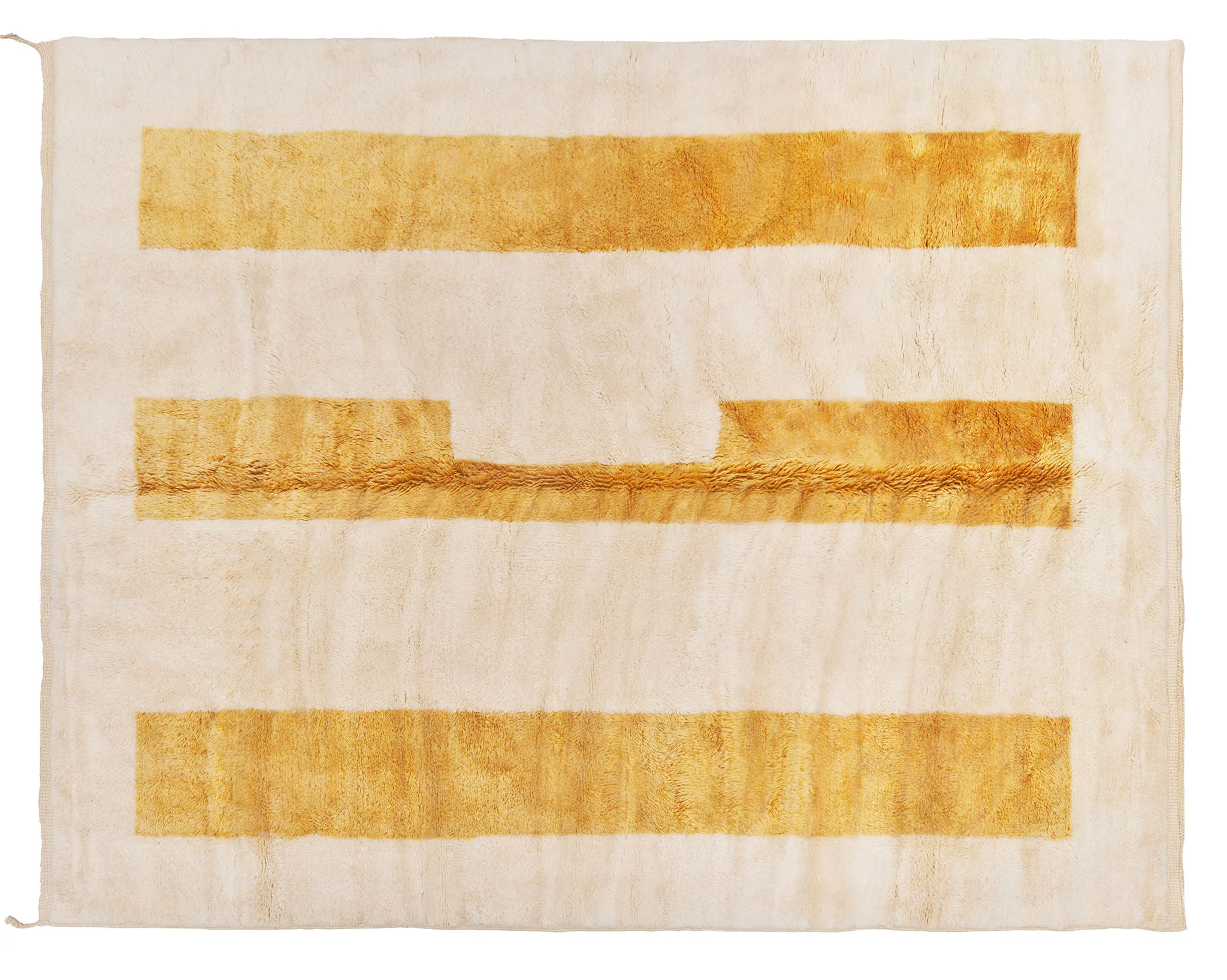
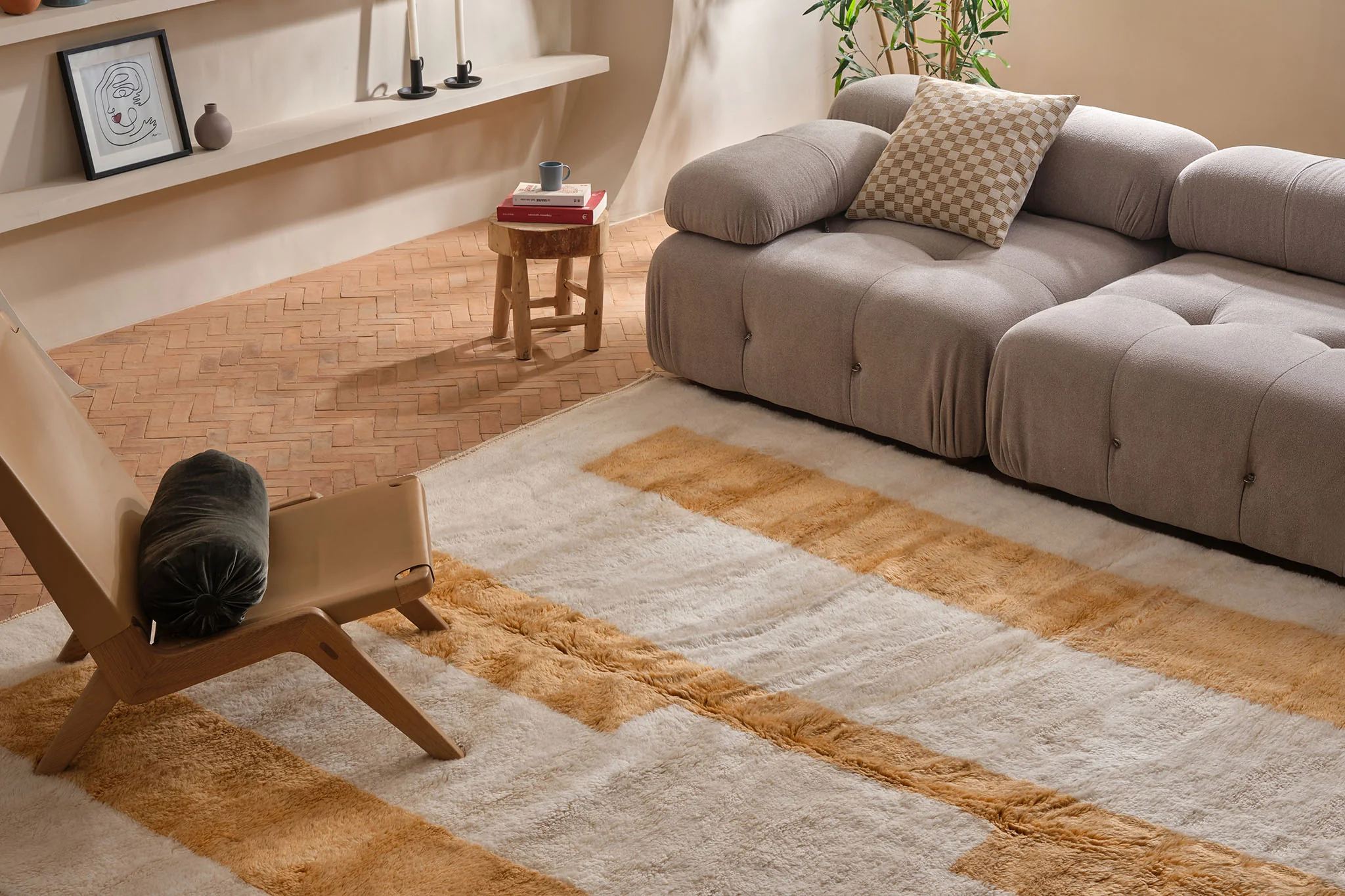
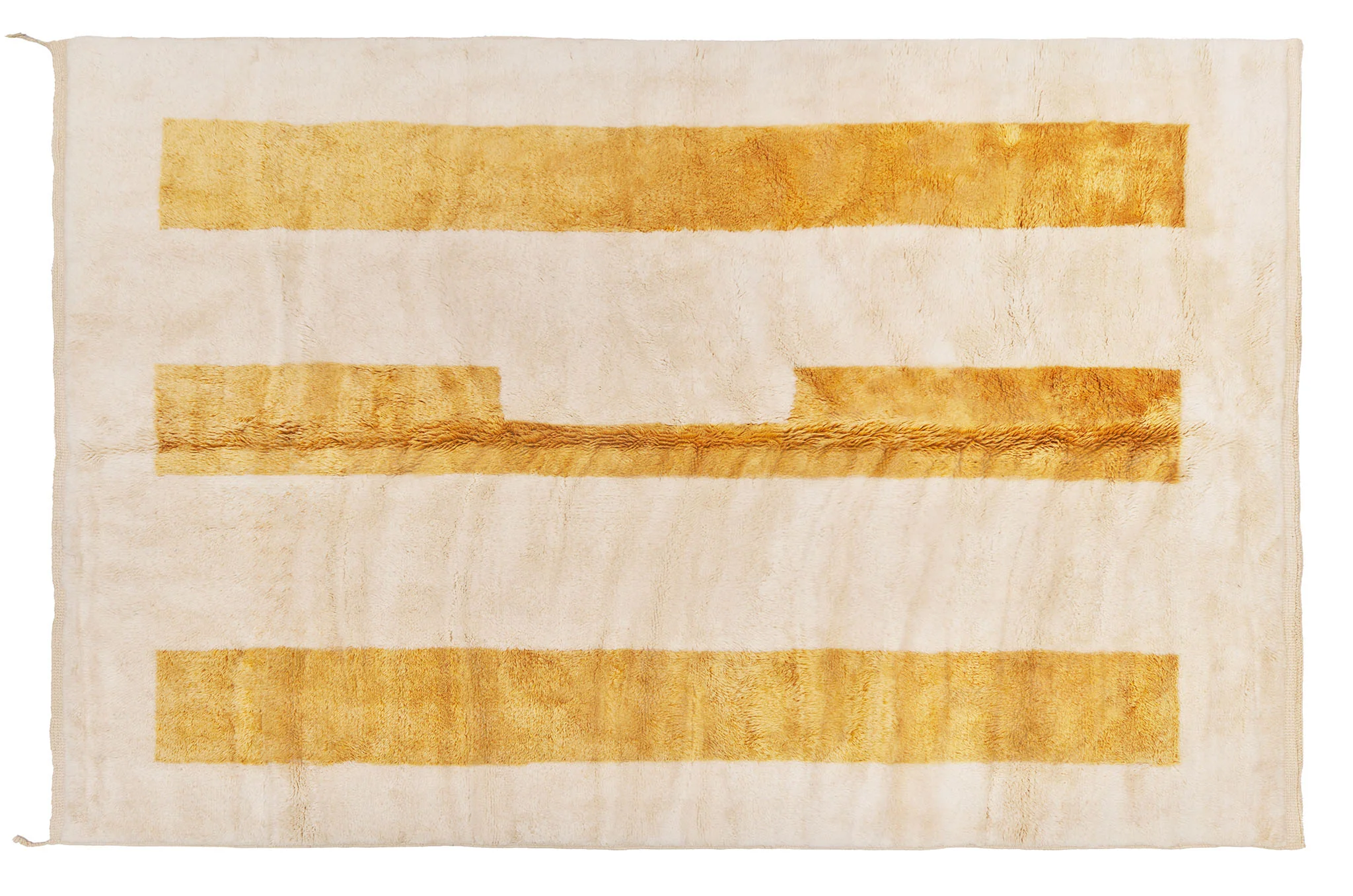
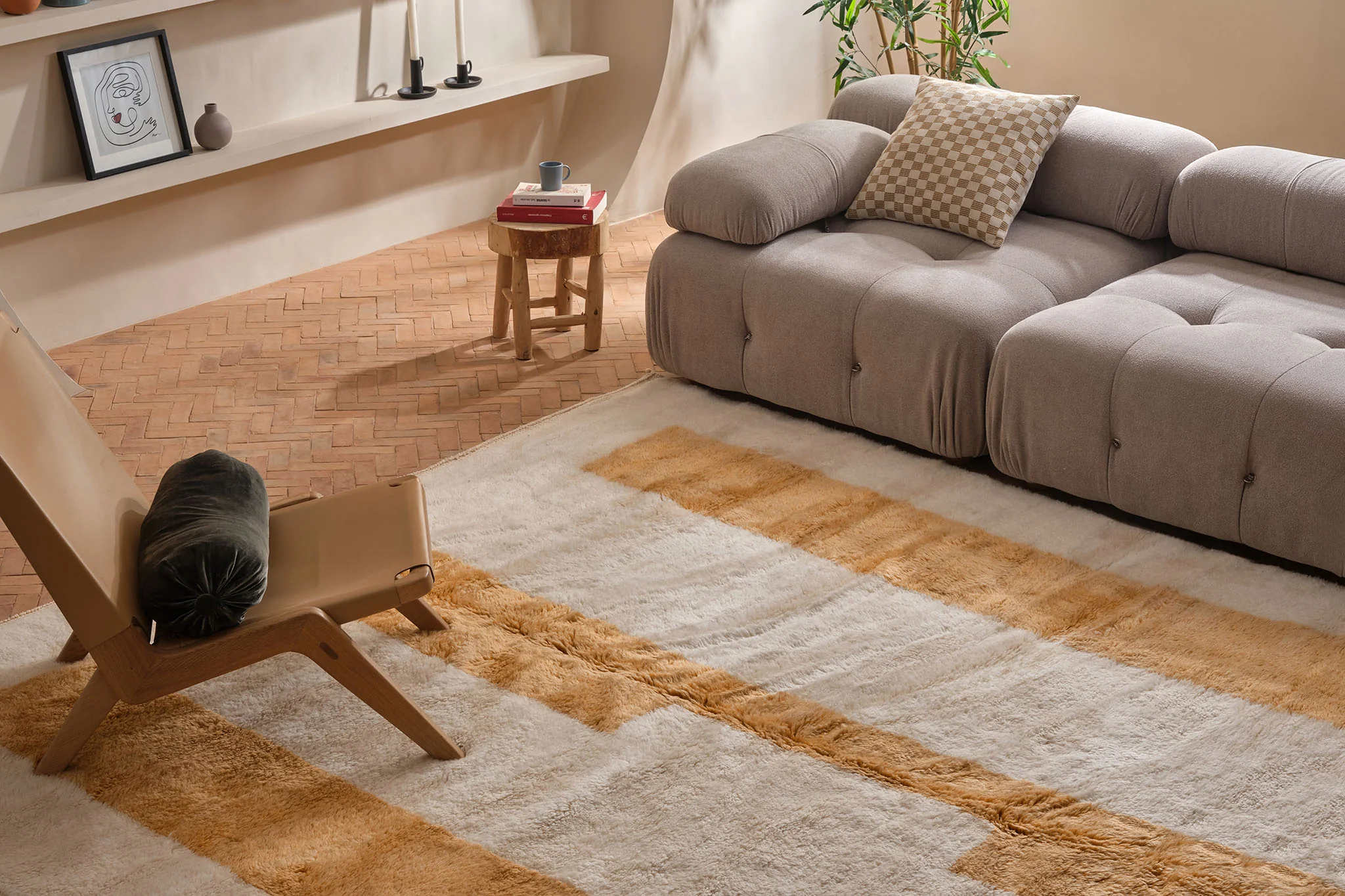
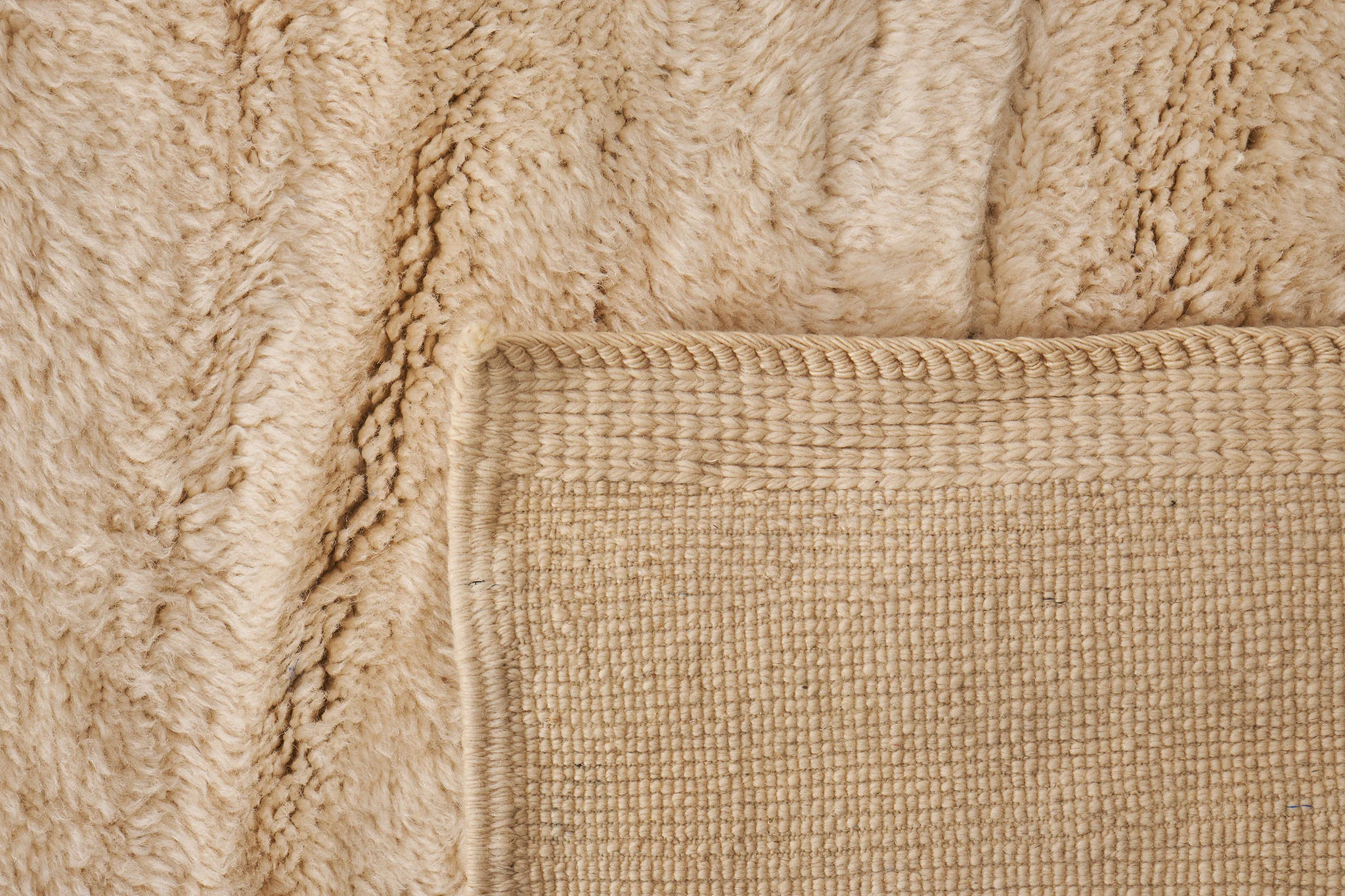
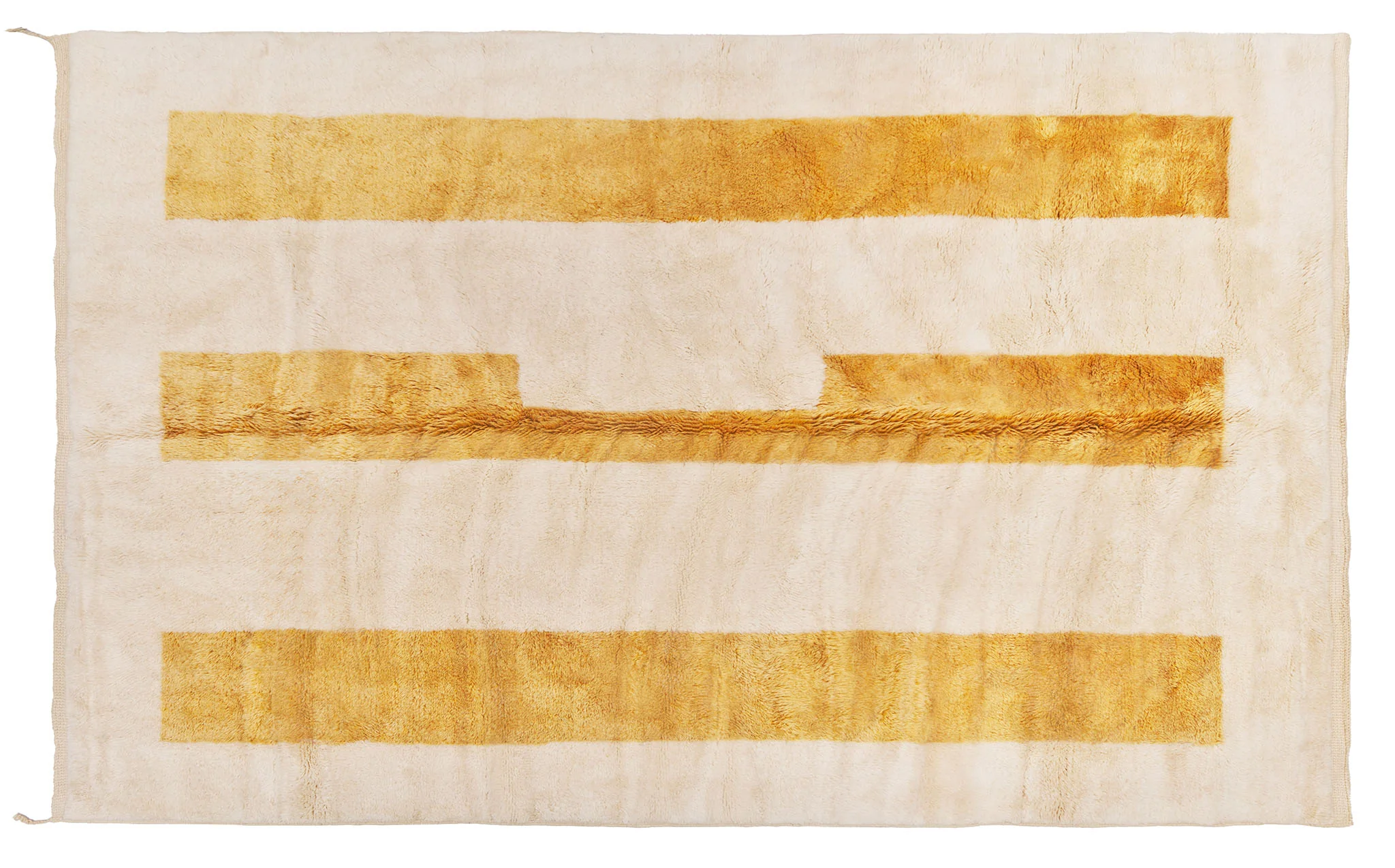
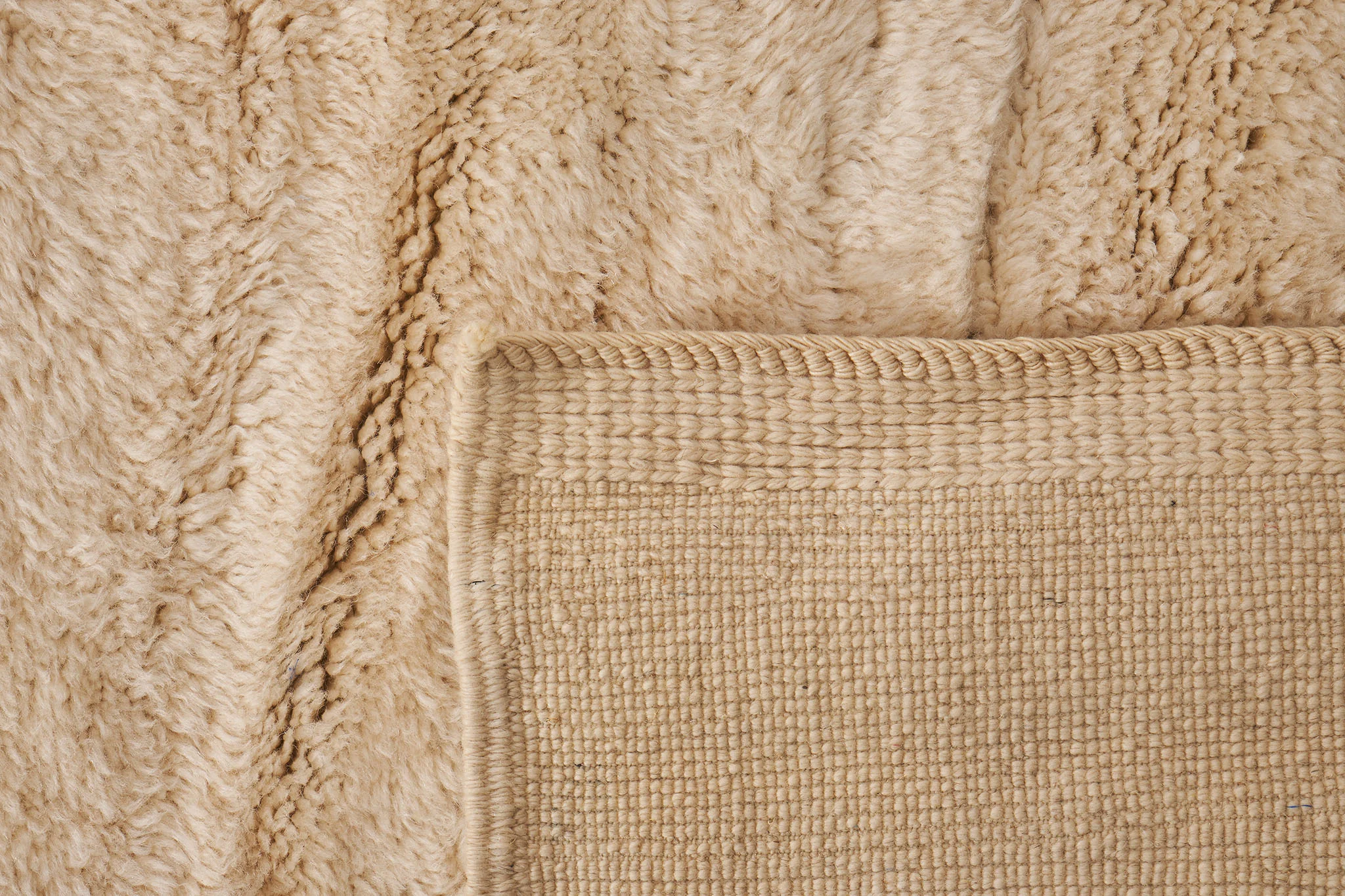
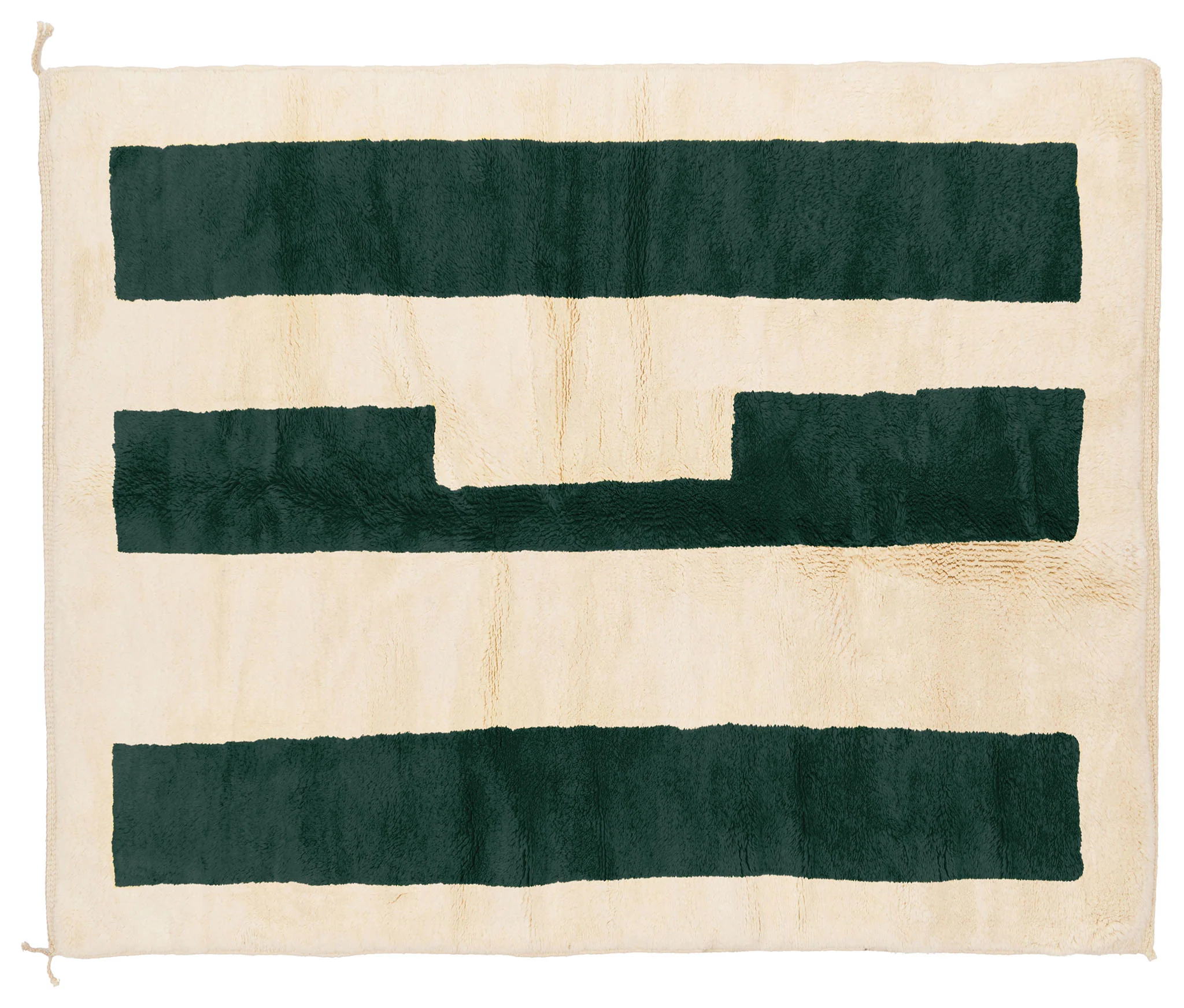
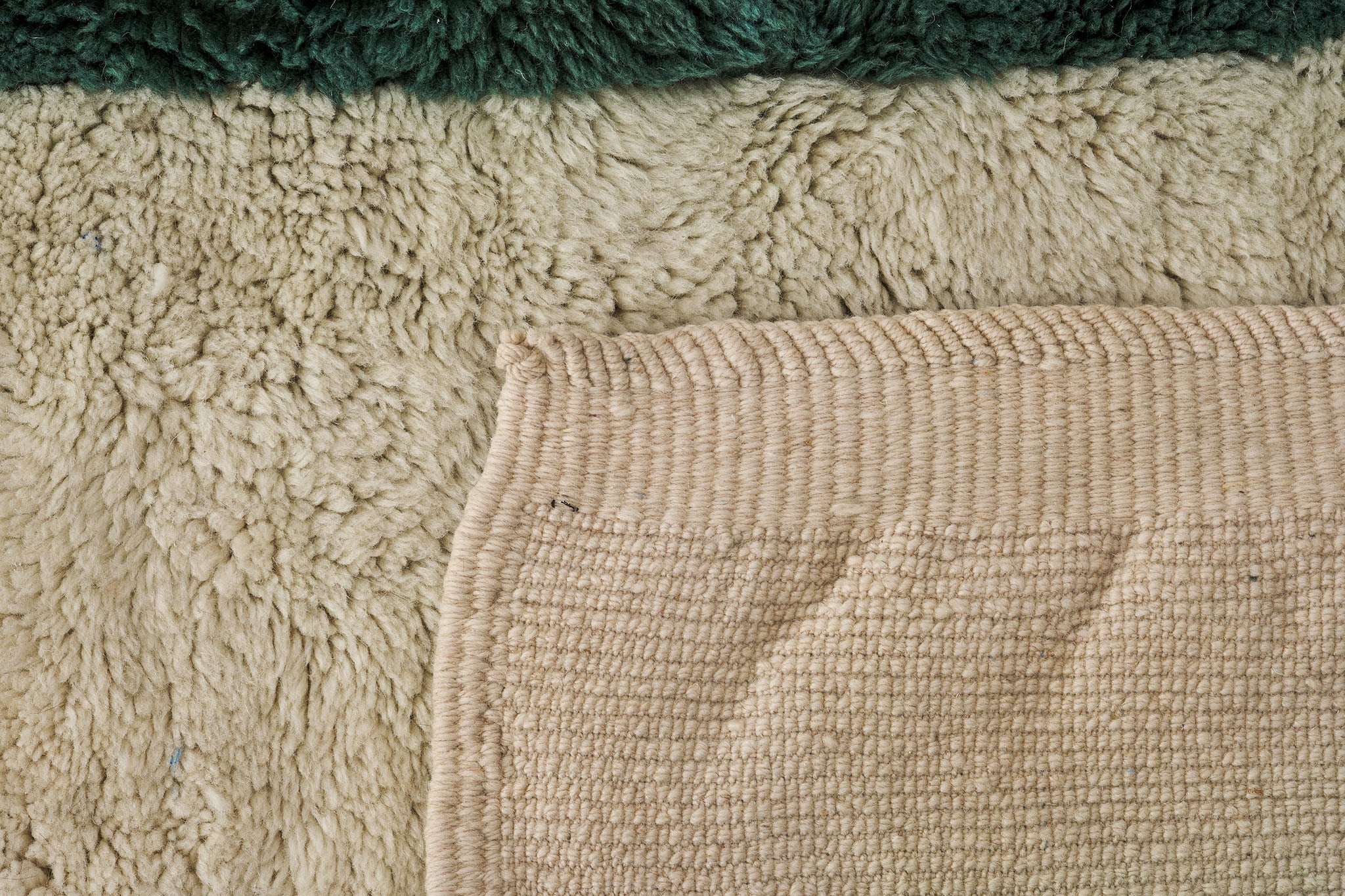
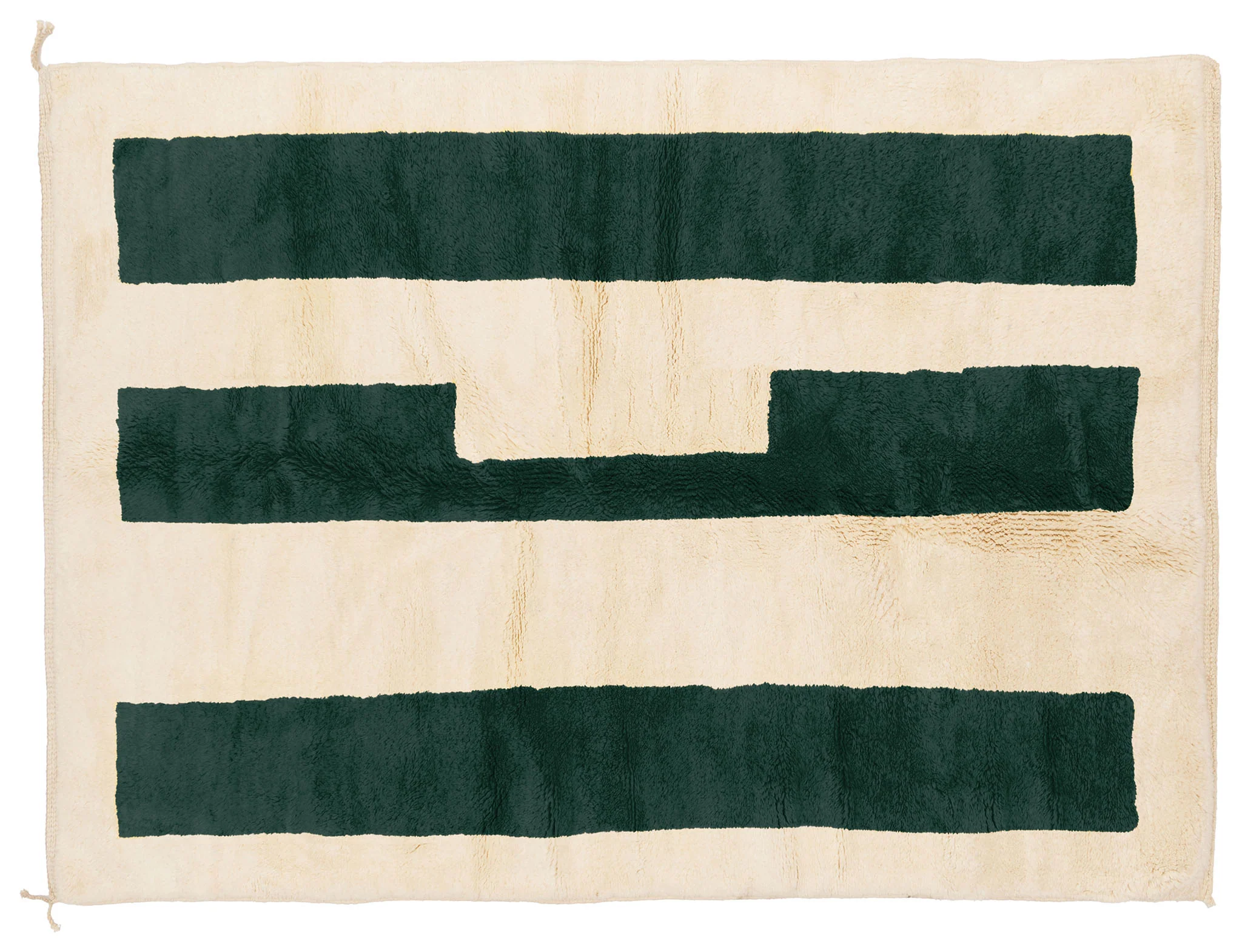
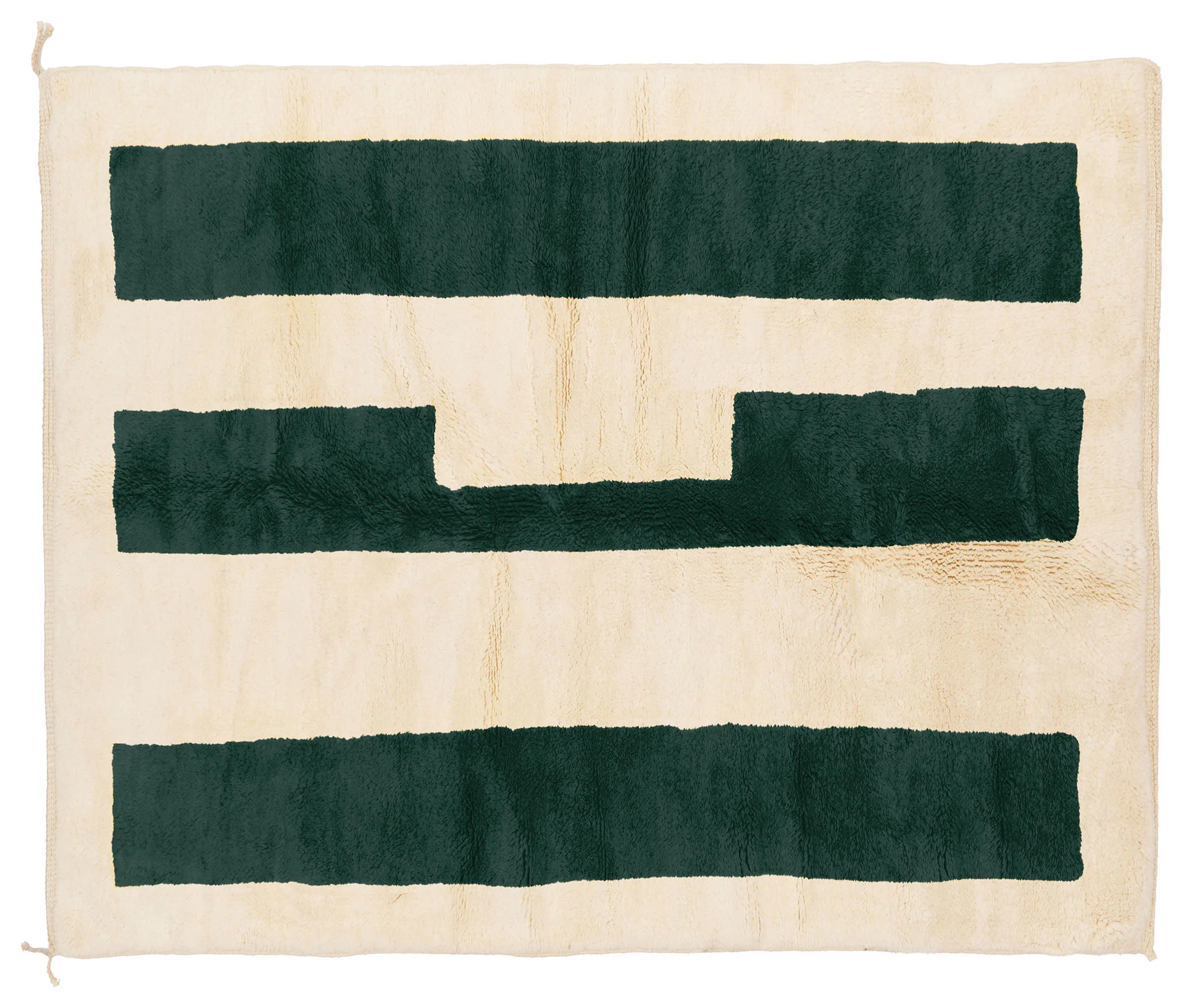
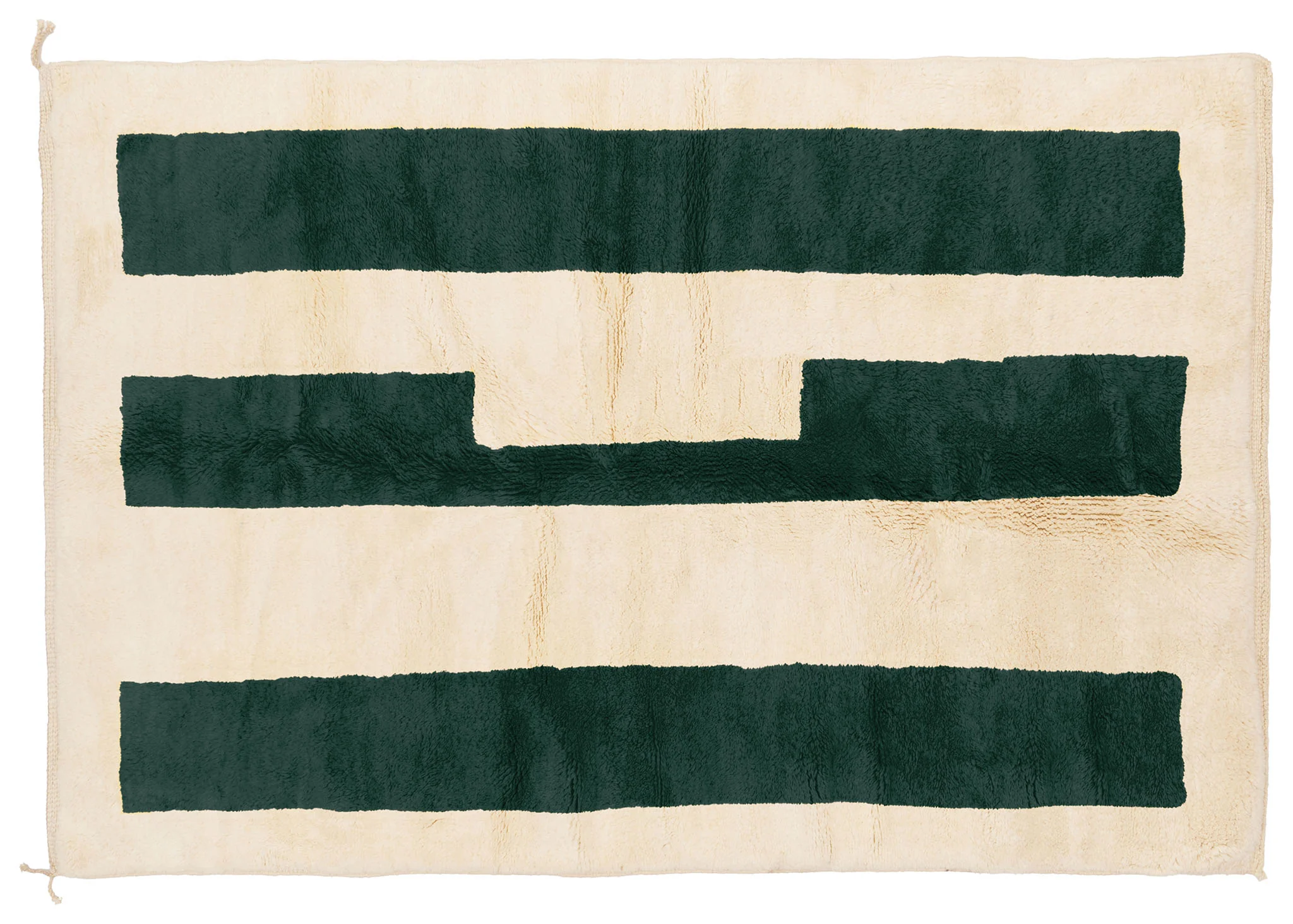
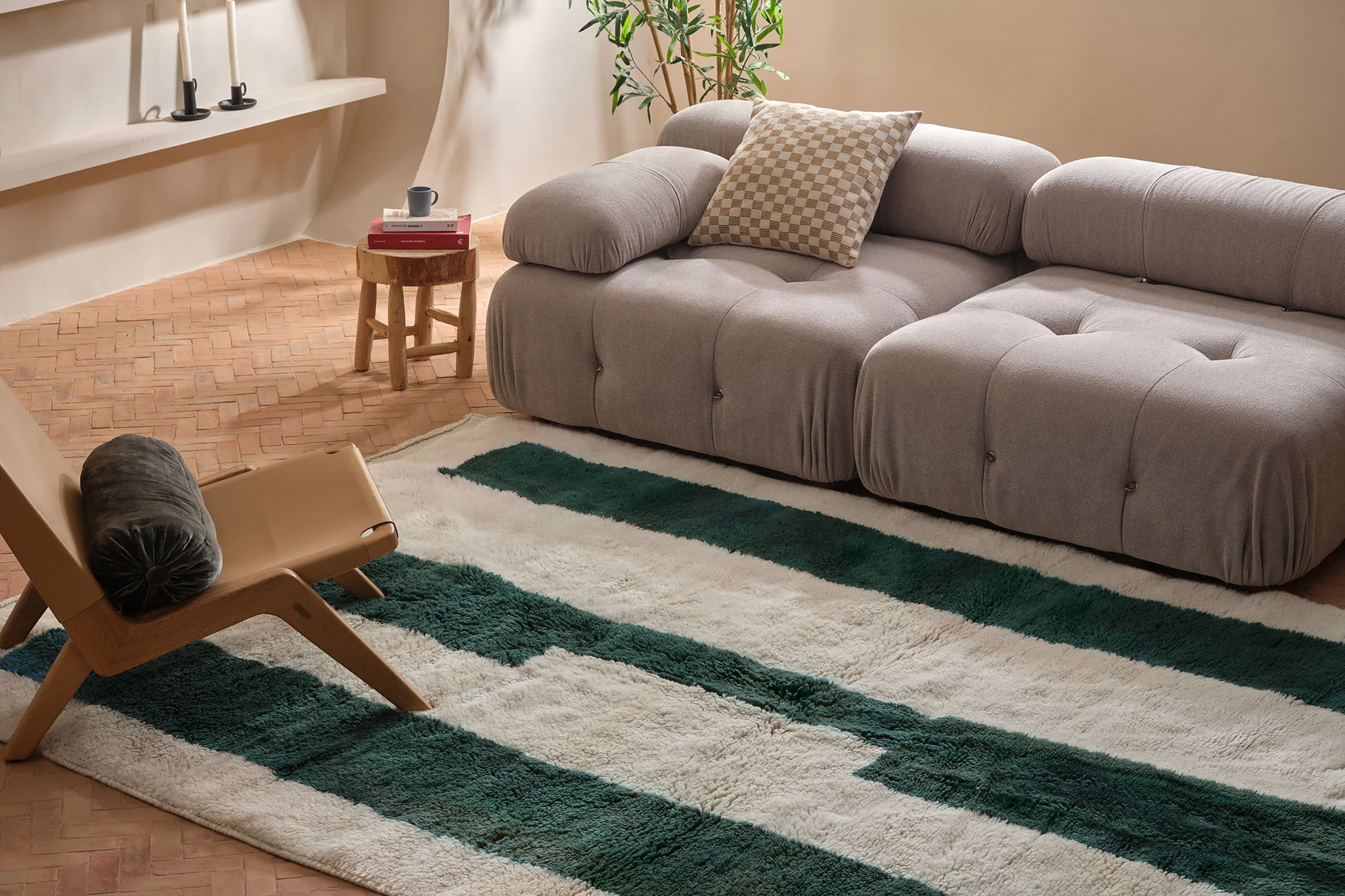
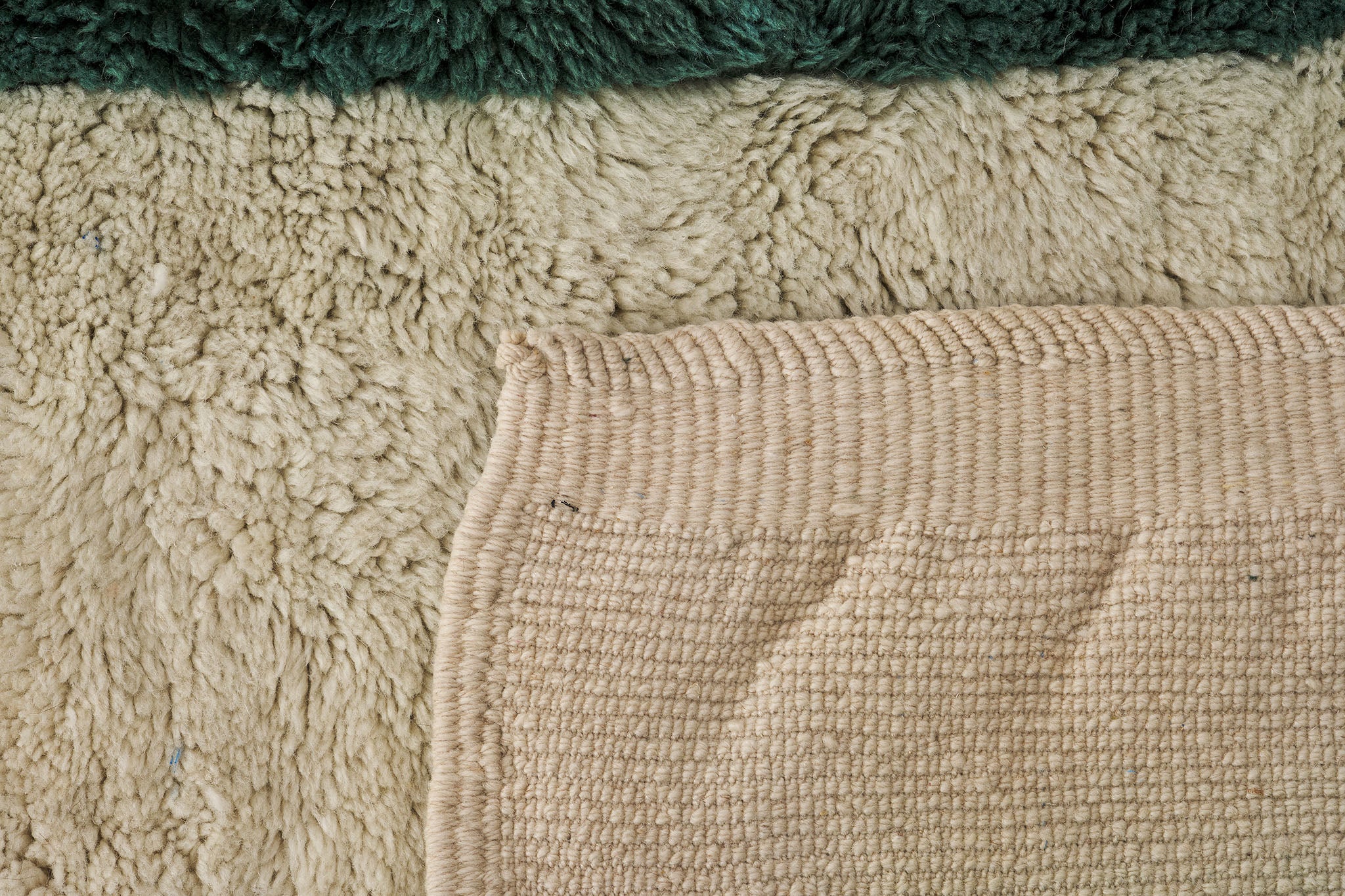
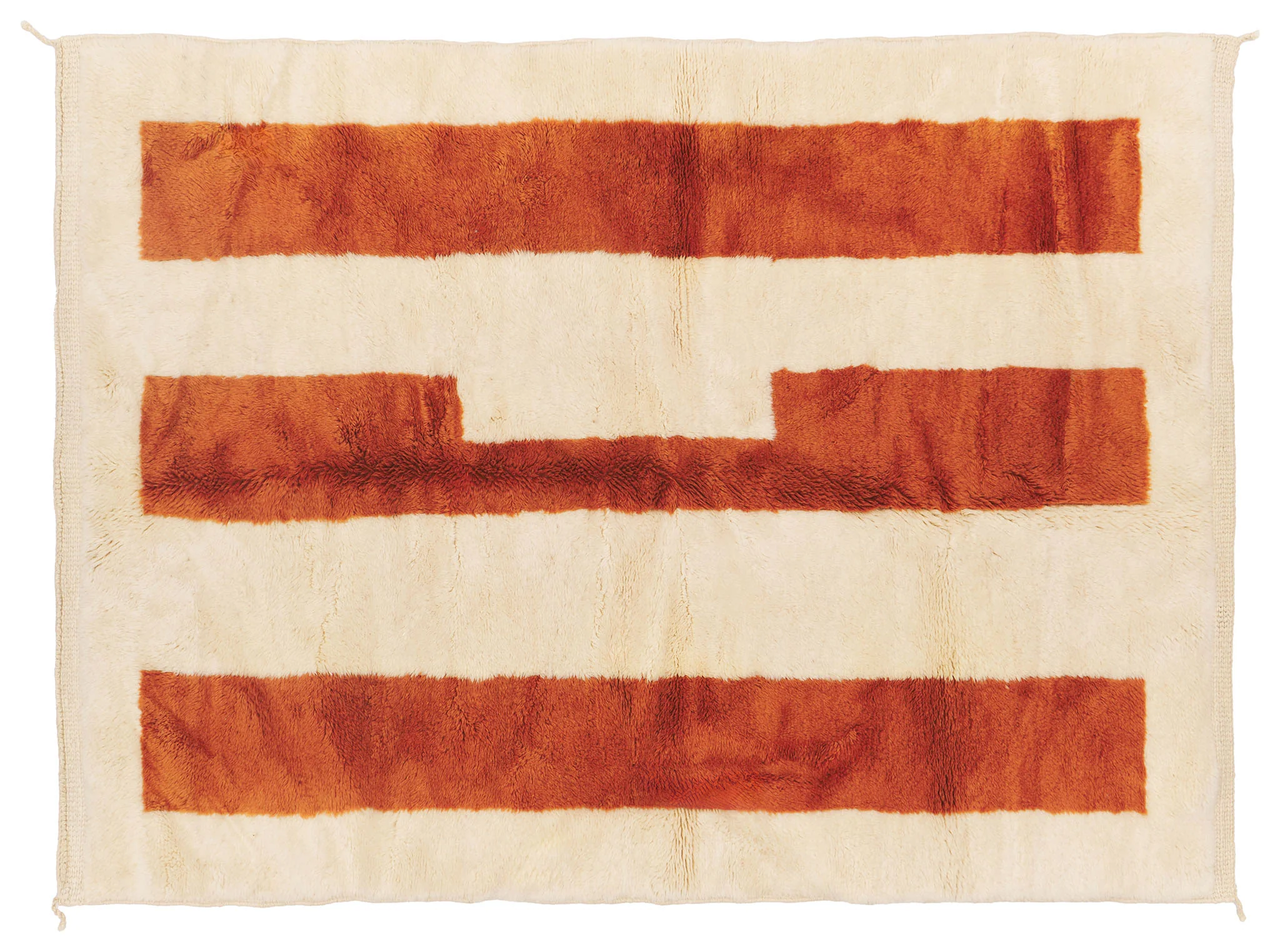
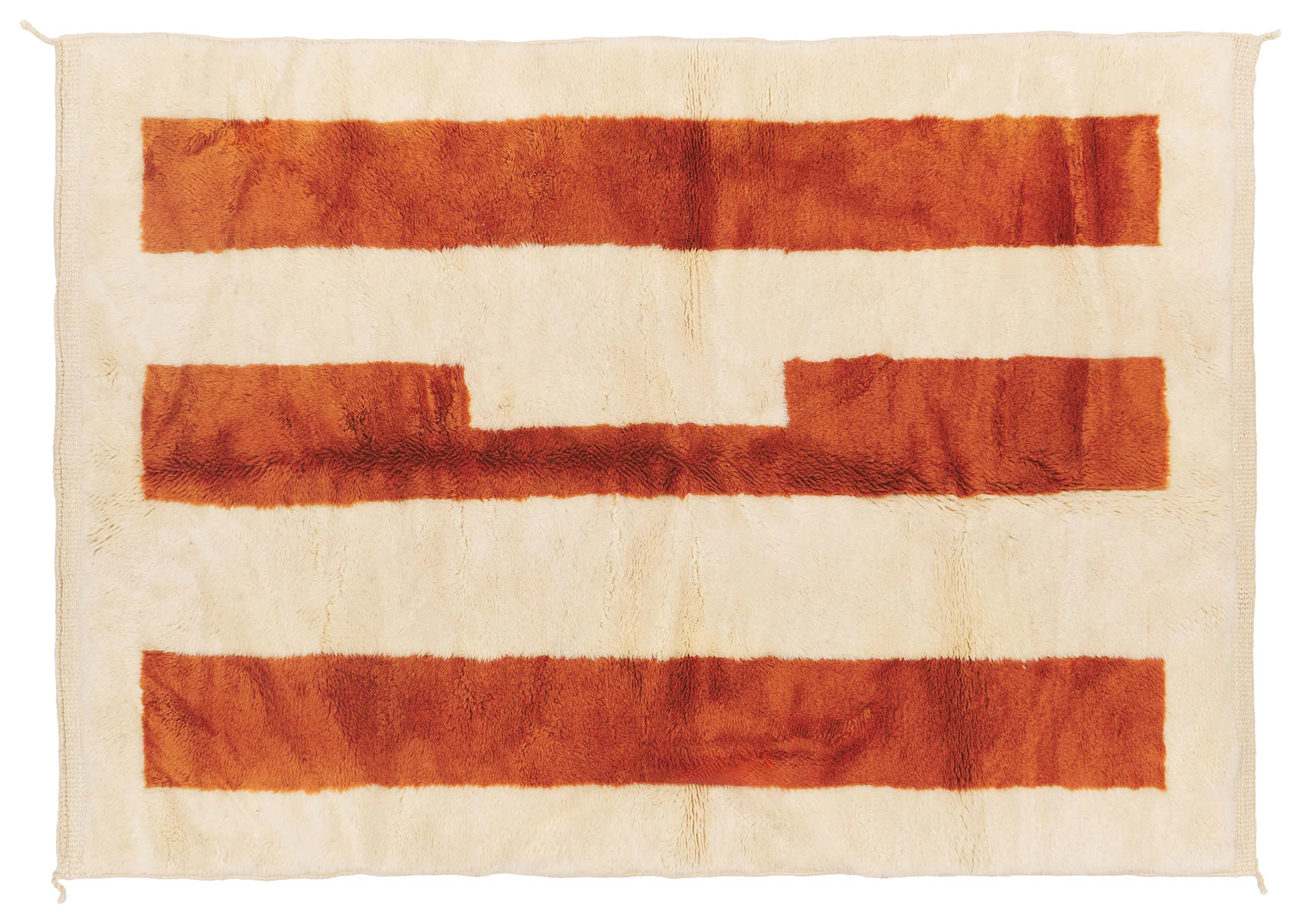
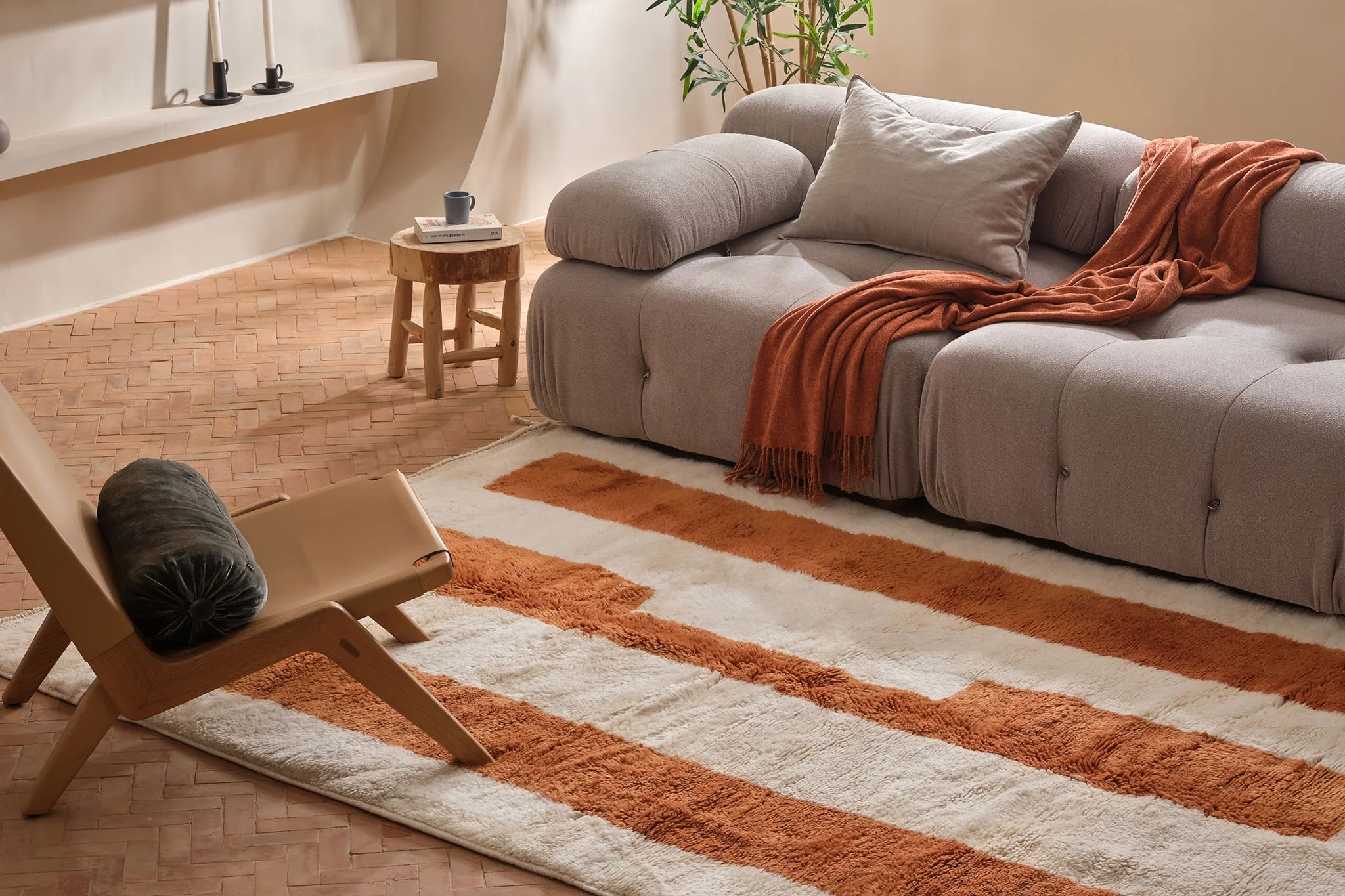
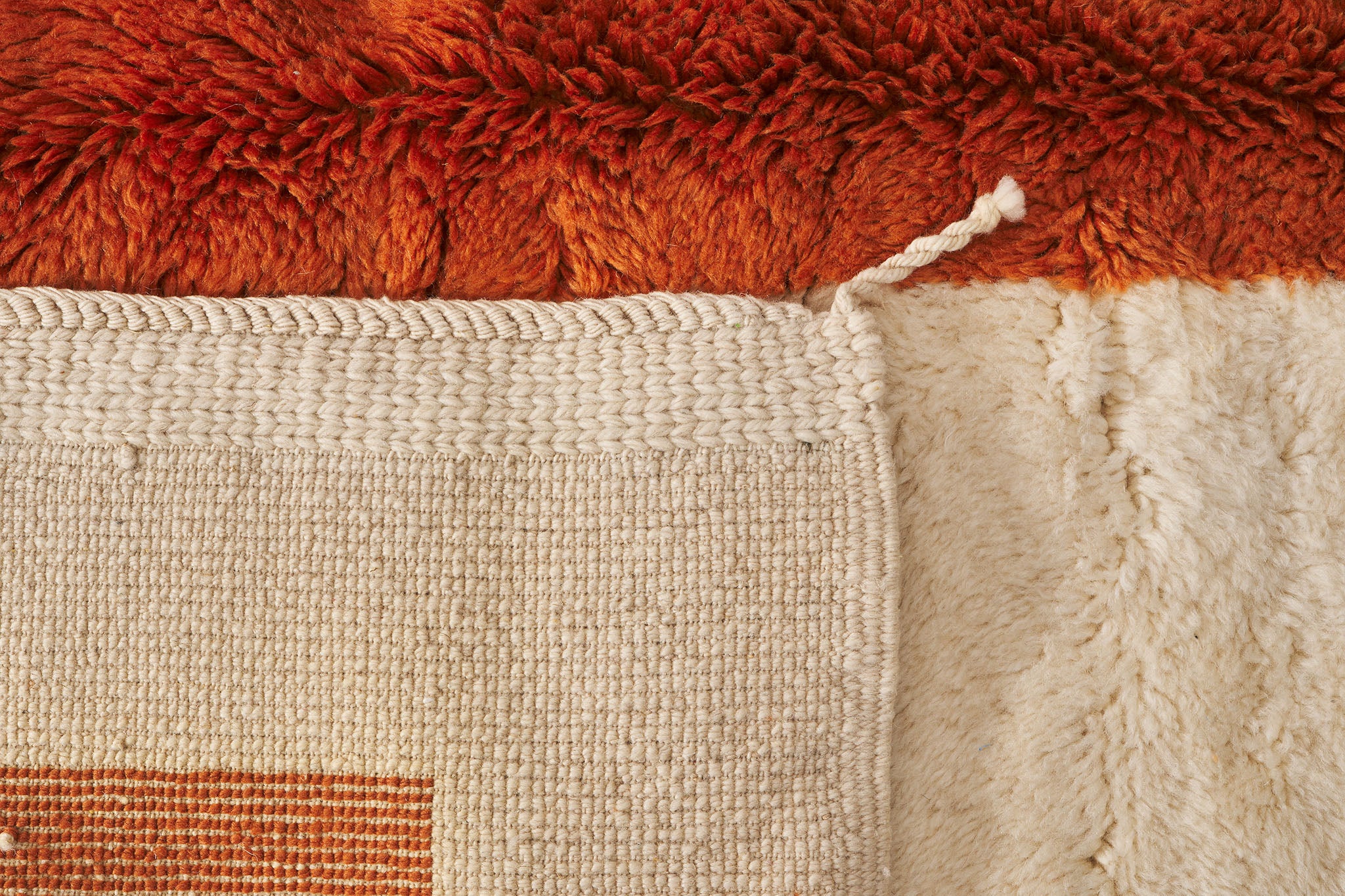
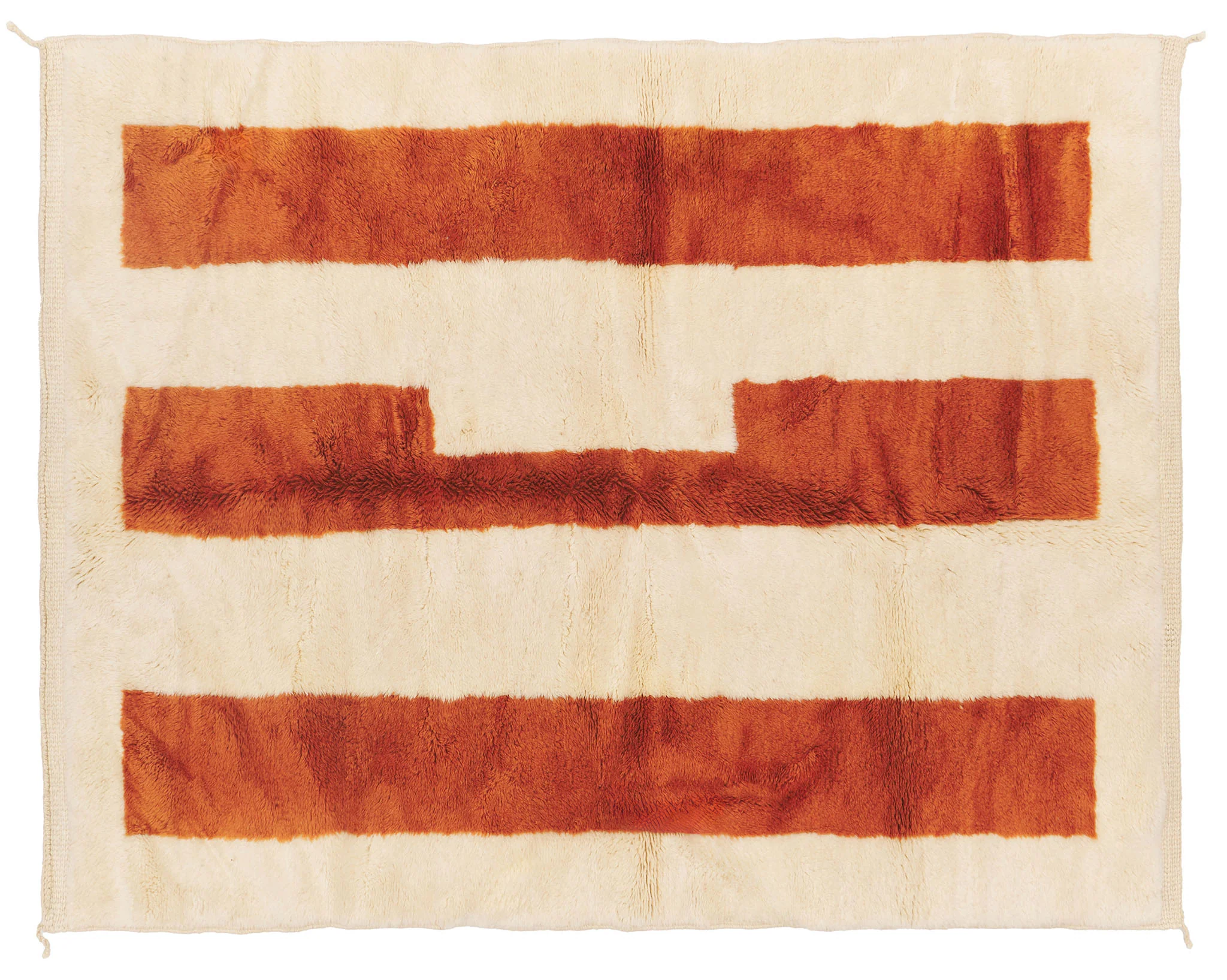
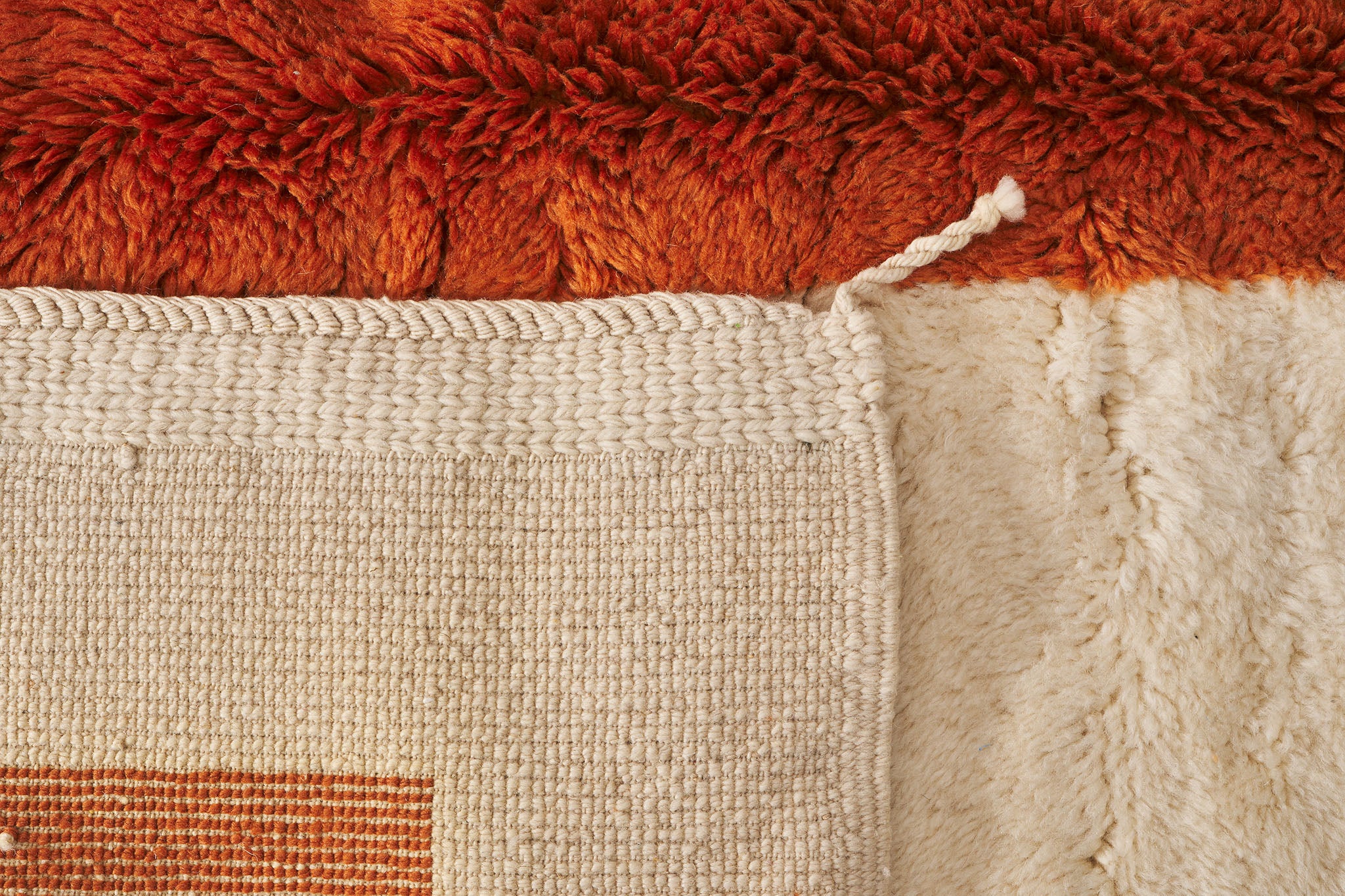
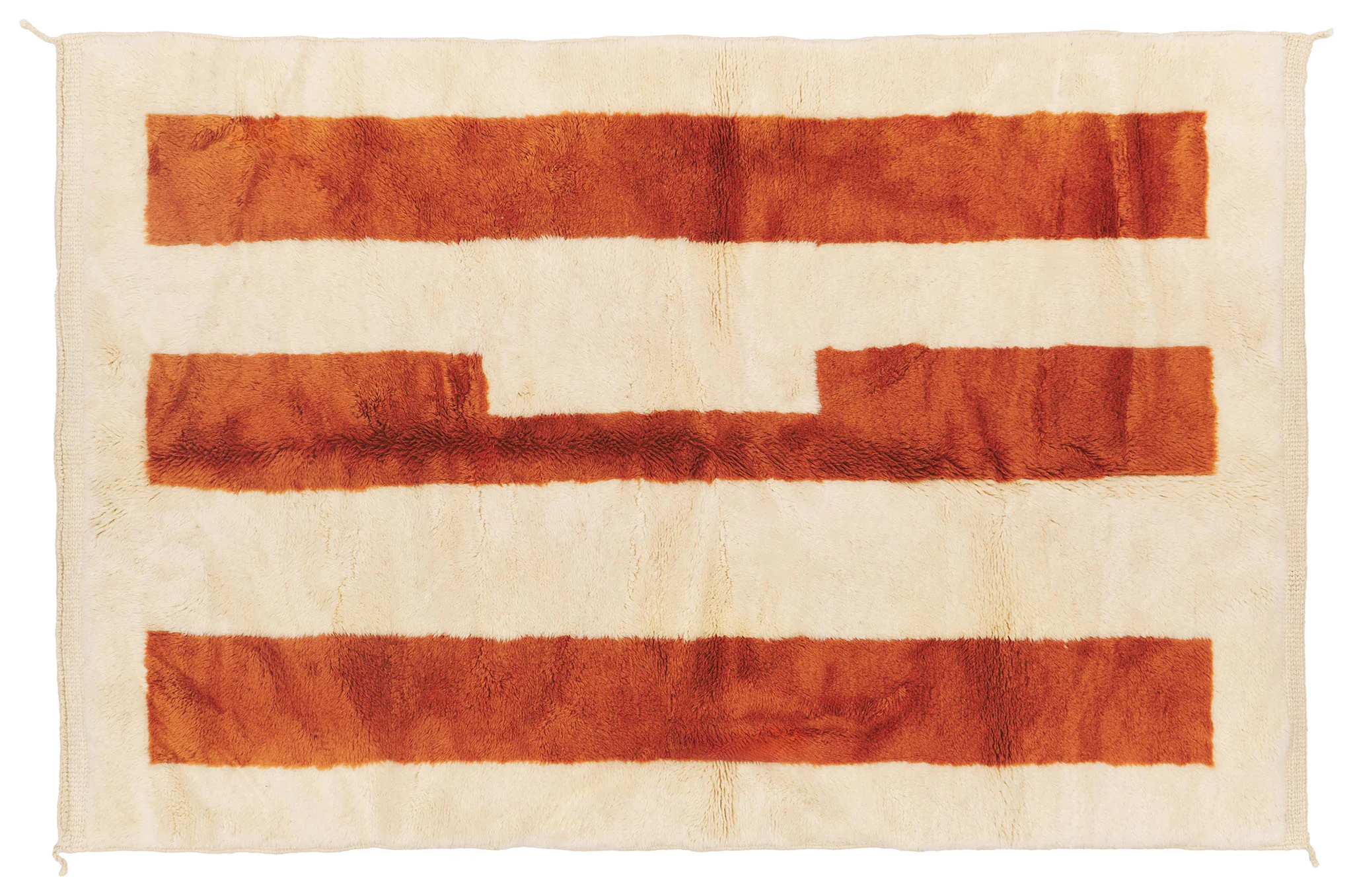
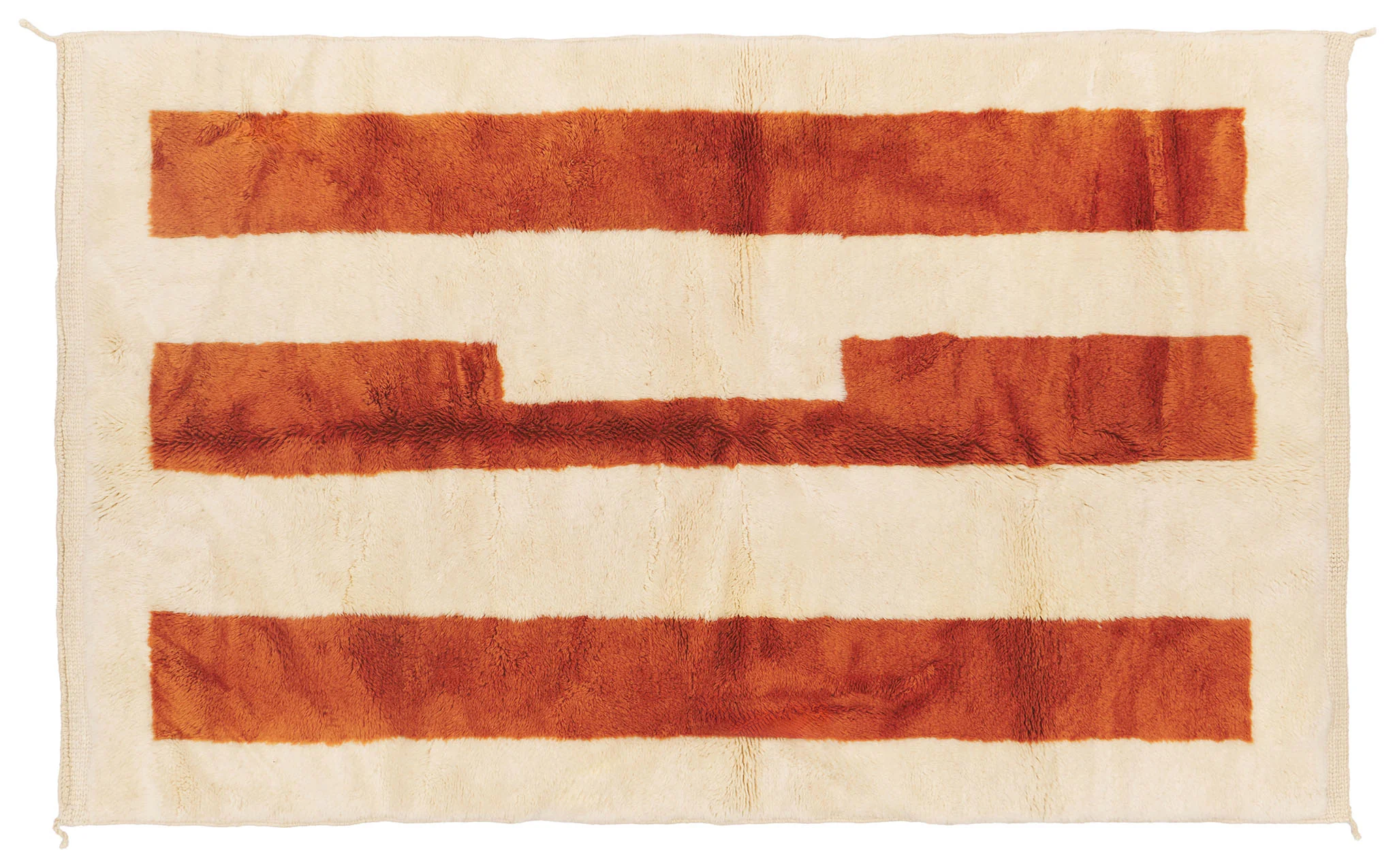
With a high-pile moroccan weave, the true star of the rug is the wool. Design-wise, we played to the weave with simple geometric shapes that mimic the terrain. Judd is a modern take on a landscape, composed of three lines, one with a notch cut out, like a ridge in a mountain range. The top and bottom of this rug are hand-finished with several flatwoven rows, thoughtfully added for reinforcement. At the top, the yarn that was used to attach the rug to the loom is hand-twisted into two corner fringes, or ‘pigtails’.
The Material
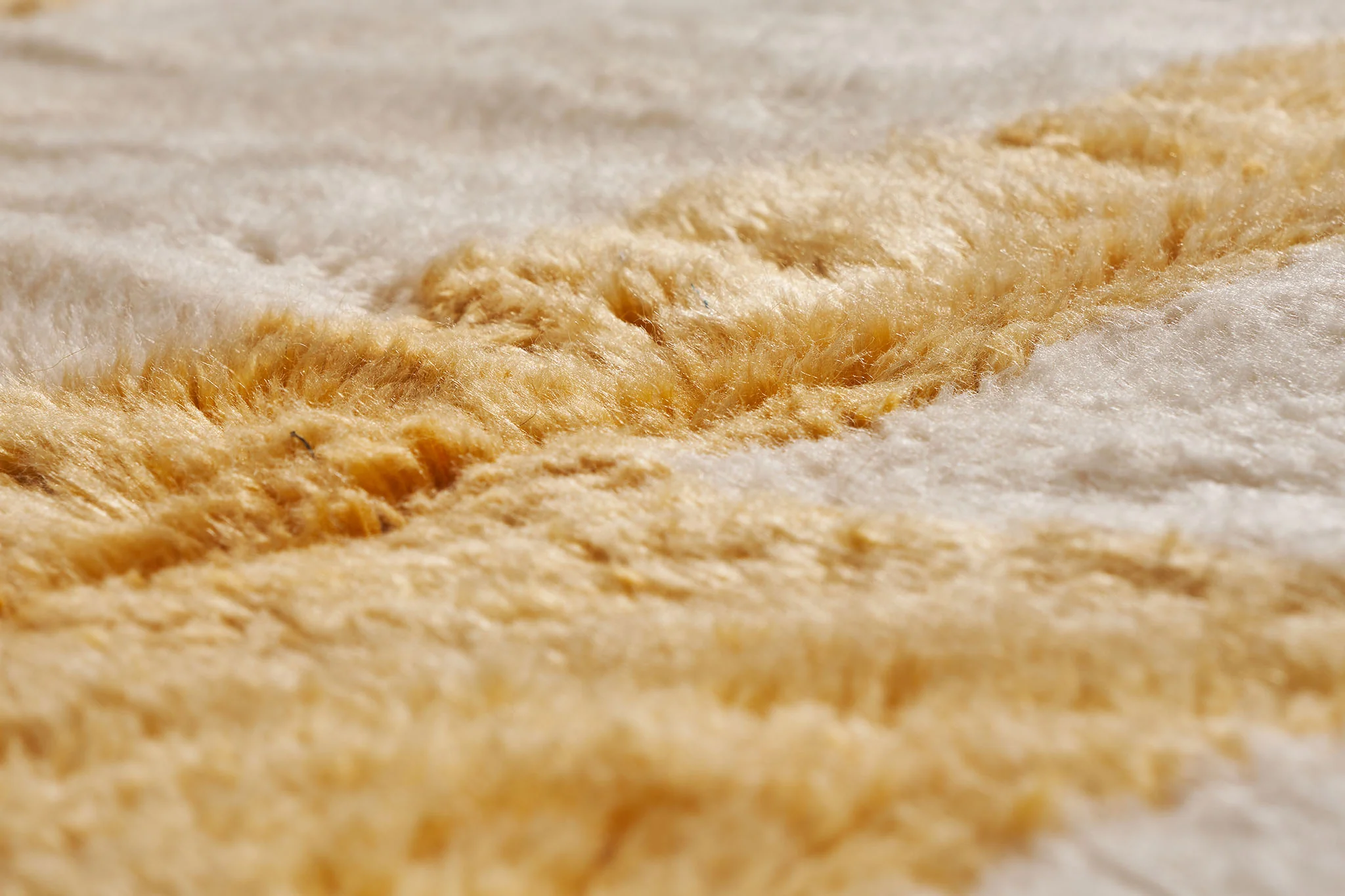
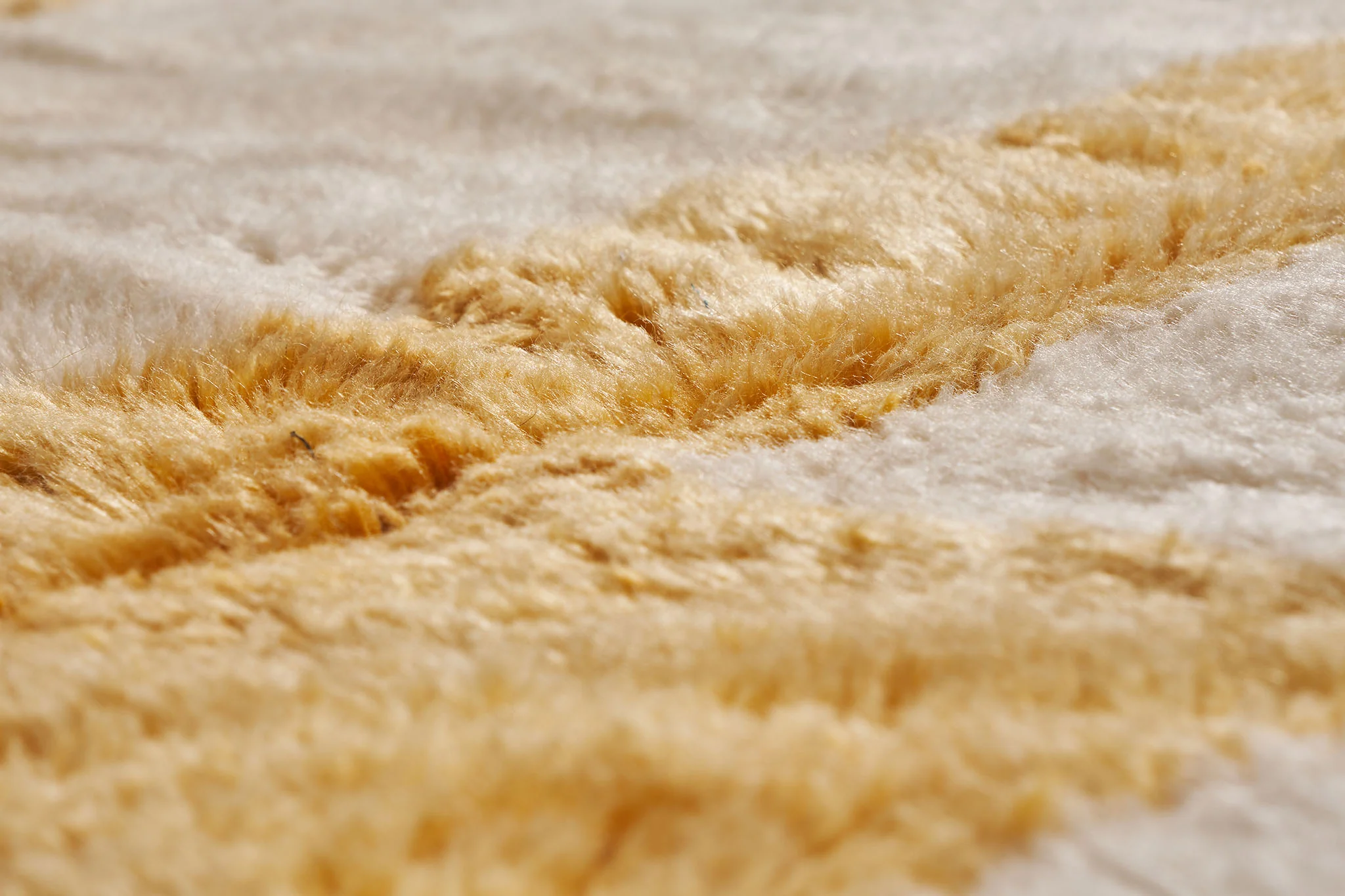
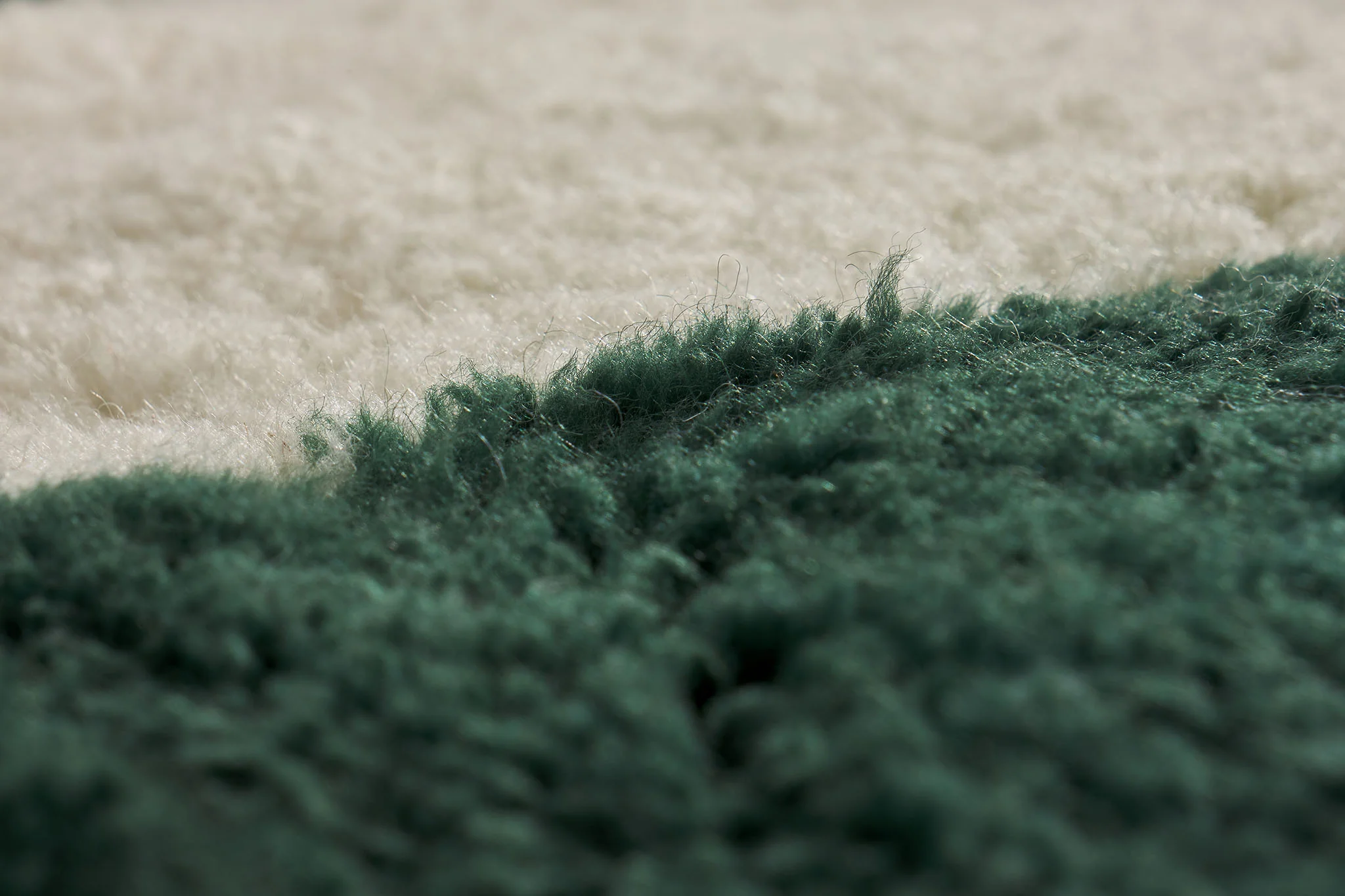
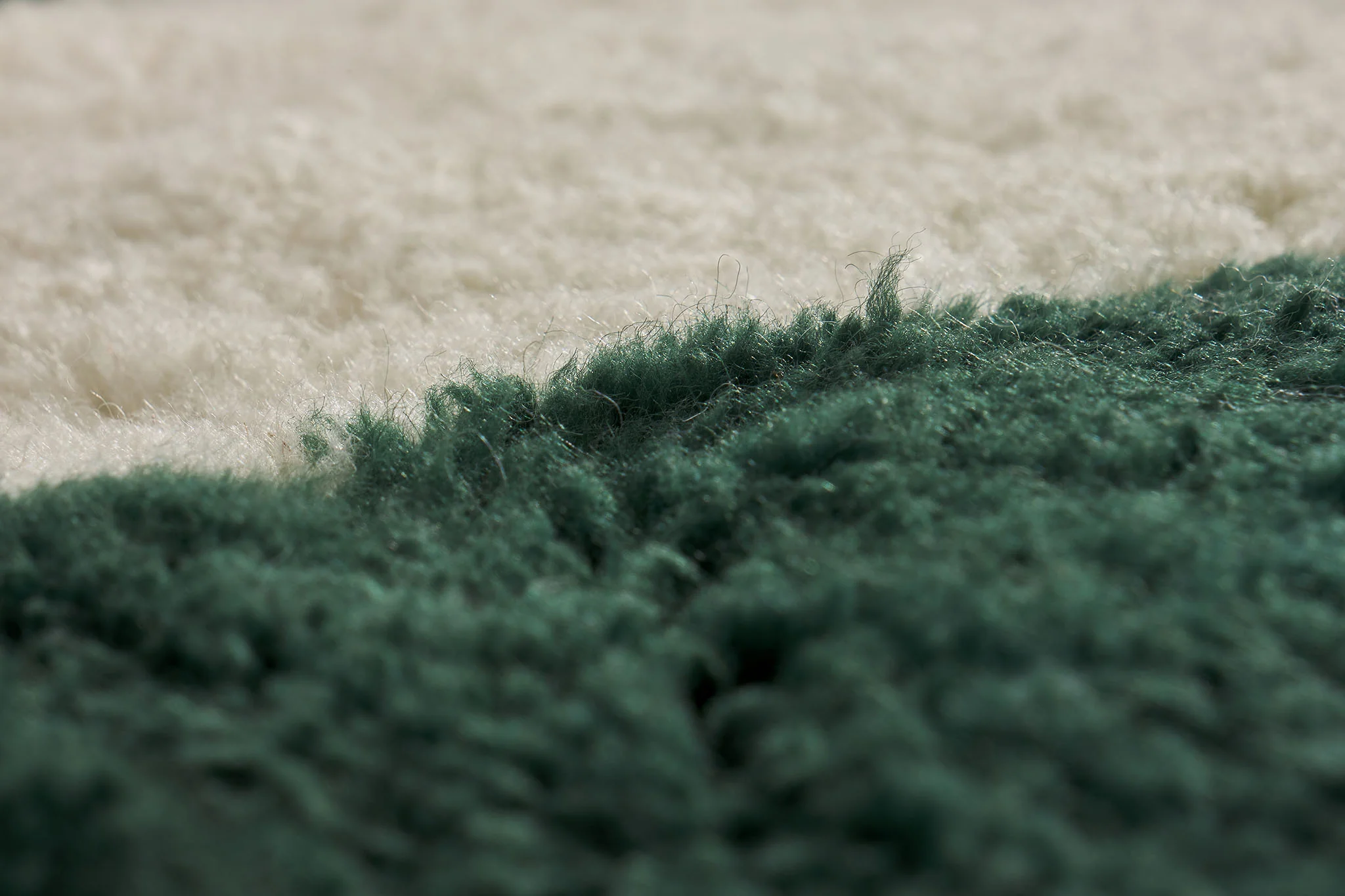
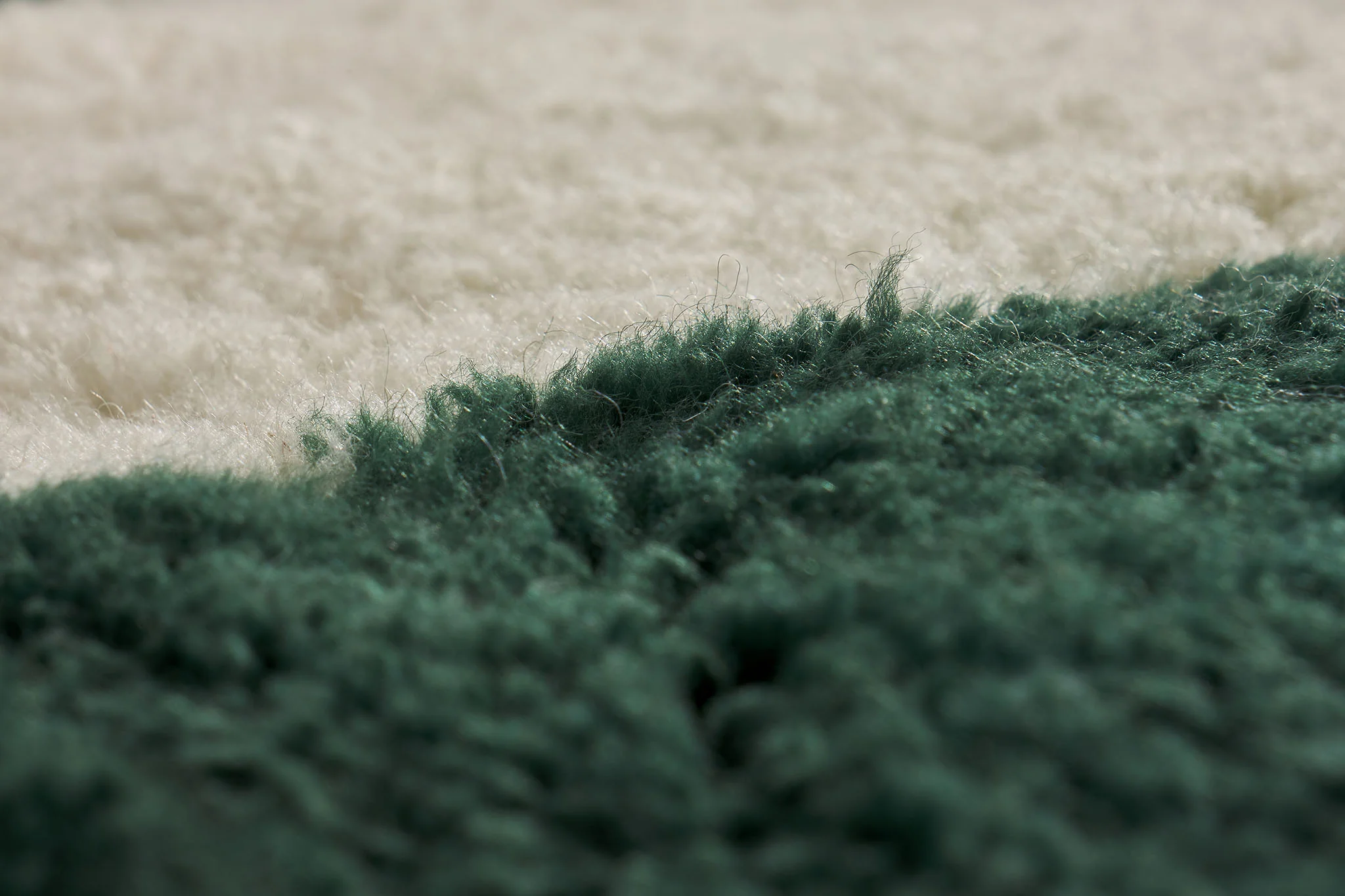
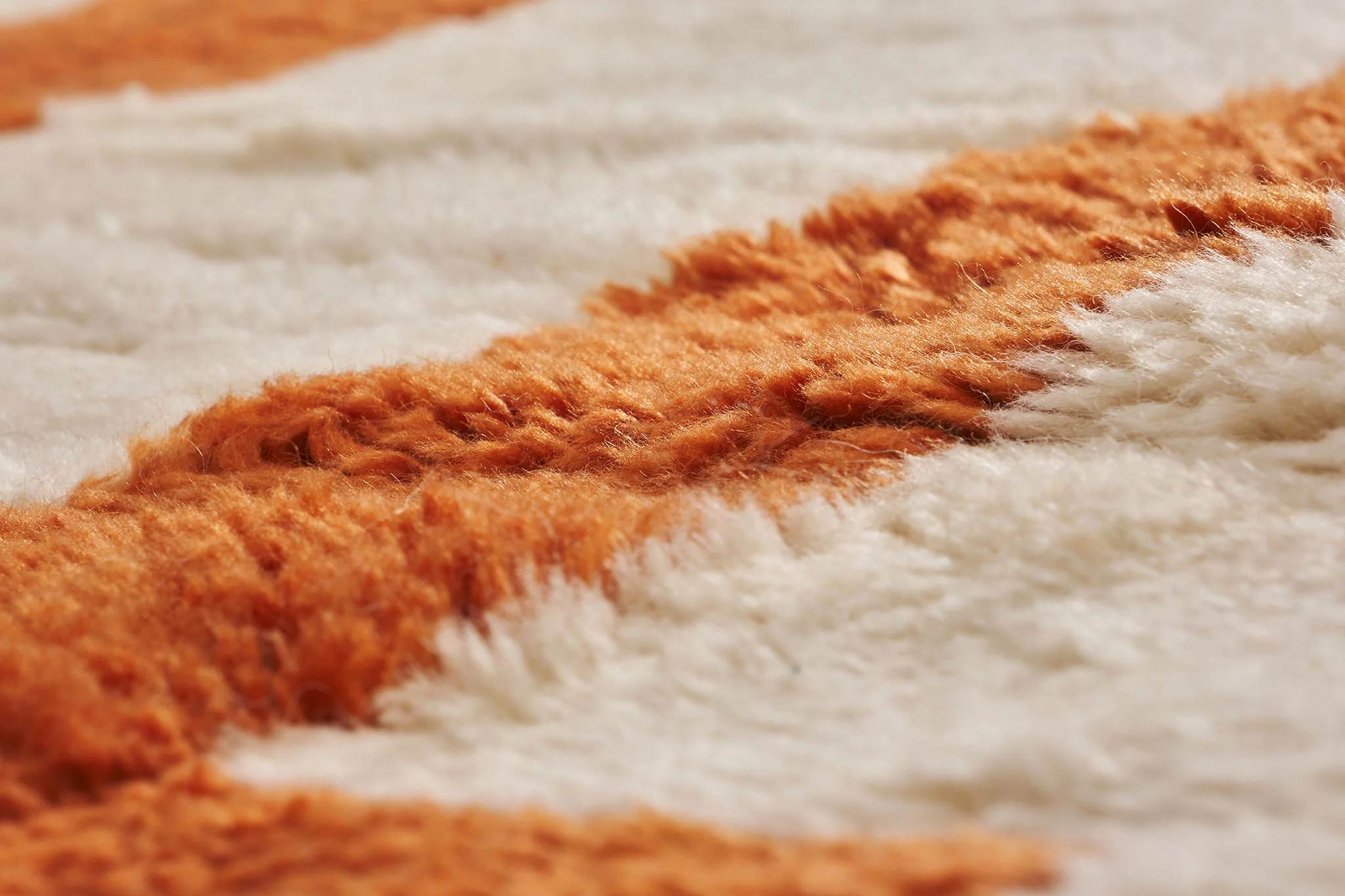
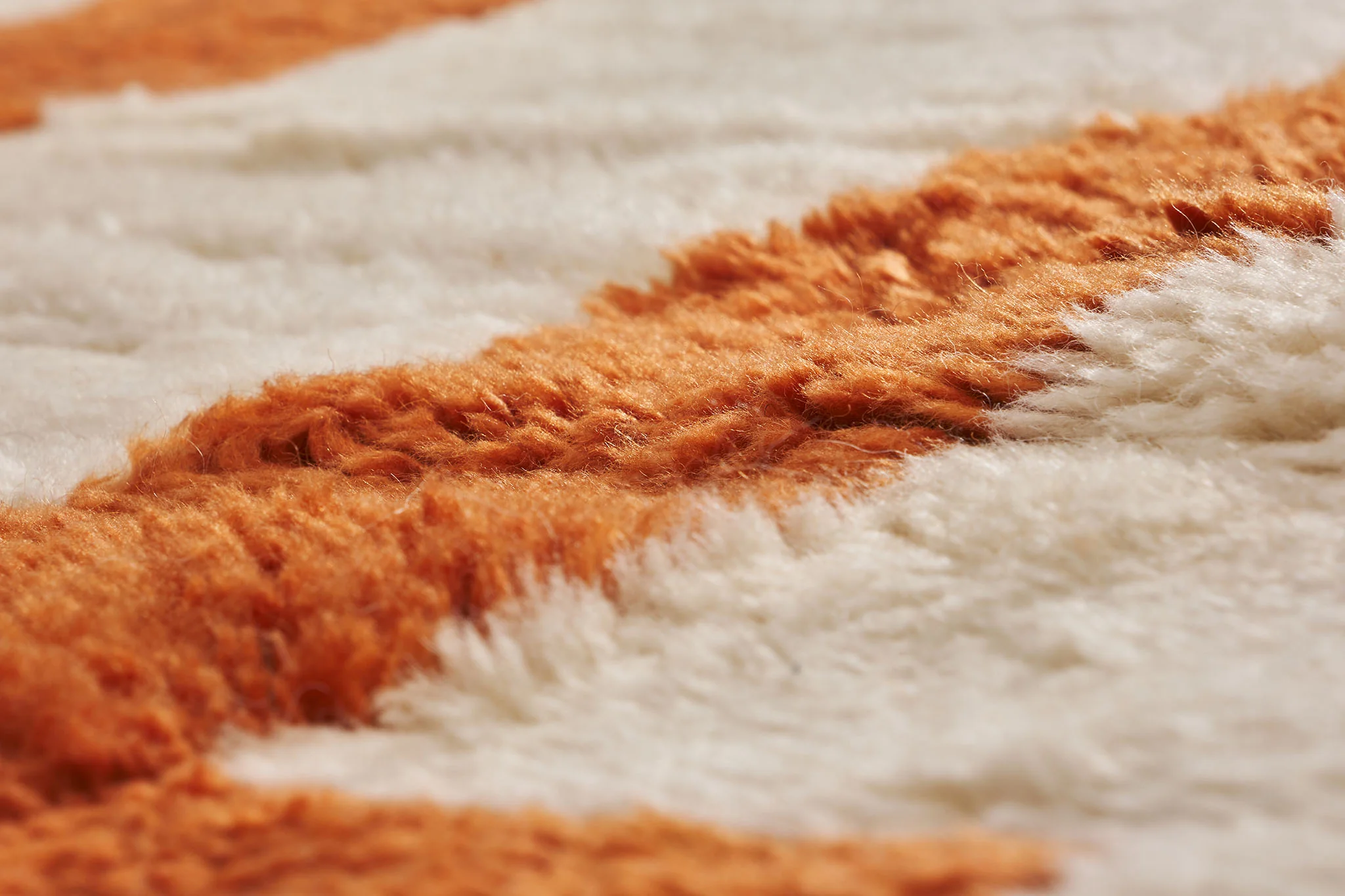
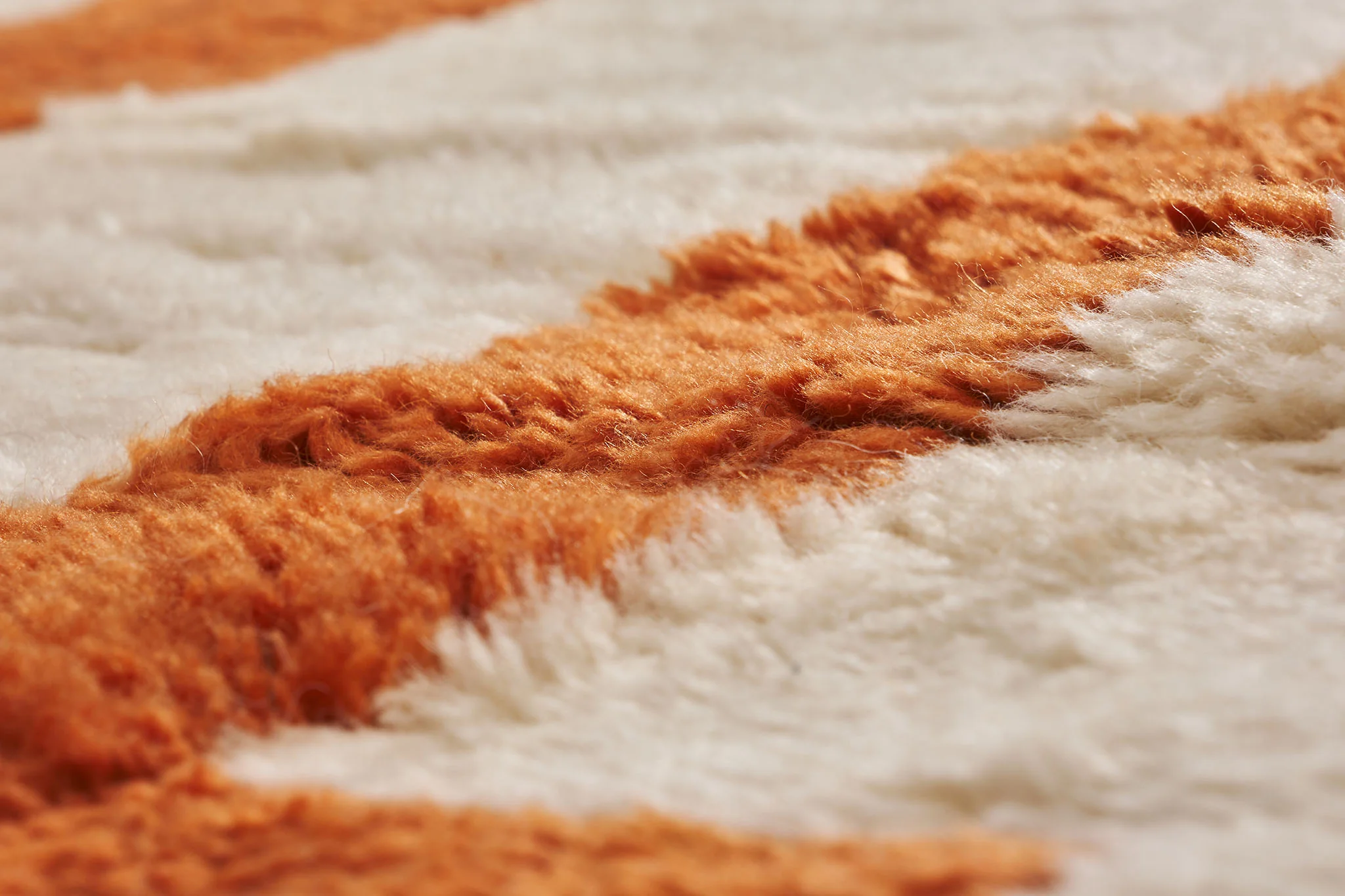
Wool, a staple in Moroccan rug design, was considered almost sacred to the Amazigh (Berber) people, whose nomadic lifestyle included sheep and goat herding. In this piece, the wool pile is knotted onto a wool foundation, adding body and helping it hug the floor. Having stood the test of time, this hand-processed wool has reacted to its various environments, acquiring an untamed, nubby look and feel. A small amount of shedding is to be expected from this natural fiber, but it’s worth it: its high pile is beloved for its wild, tousled texture.
The Maker
The artisans who wove this piece are women who inherited the craft from their mothers. Some weave at the atelier with each other; others work on their looms at home in Khenifra. Once associated with Zayane tribes, the town of Khenifra is a center for contemporary rug production. Today, rugs from this area are frequently inspired by the Beni M'rirt style, identifiable by their geometric motifs and Berber double knot construction.
- Dust and dirt that accumulate in your rug can erode the fibers over time. The best way to combat this is to take your rug outside and give it a good shake every couple of weeks. Depending on how large it is, you may need to recruit a friend to help. Also, be sure to get a rug pad—this helps to preserve your rug in spite of dirt.
- If shaking it out isn’t possible, you can vacuum it instead—just be cautious, and don’t use a rotary vacuum, because it can damage the fibers. Once or twice a month, use the suction attachment gently, from side to side. Once or twice a year, flip your rug over and vacuum the back. To ensure equal wear and protect against walk patterns, change your rug's direction periodically.
- Once a year, let it sunbathe. Hang it in the sun for a few hours when it’s hottest, and flip it over midway through, to expose both sides to direct sunlight. This sun-bleaching helps further sanitize the wool. It’s a natural method to bleach and deodorize it.
- Every 3-5 years, we recommend getting your rug professionally hand-washed. Please do not take it to get steam or dry cleaned—this will almost certainly damage the rug! Hand-washing requires the use of a pH-balanced shampoo, worked into the rug by hand with a soft-bristled brush, before being rinsed thoroughly. This process should be repeated a few times.
- In case of spills, use a paper towel or cloth to blot the liquid. Add some clean water sparingly to the spot to dilute the stain (or wet a paper towel or cloth) and blot. If the stain is persistent, try using a mild detergent. Repeat this process until the stain is removed.
Original: $1,299.00
-70%$1,299.00
$389.70More Images
Judd
Custom hand-knotted Moroccan wool rug
- 100% wool
- Plush pile: approximately 1.1” (30 mm) thick
- Hand-twisted corner fringe on top edge
- As with all hand-knotted plush pile rugs, expect shedding in the first few months
- Expect a 5% variation in size and color due to handmade nature. This means a few inches on either side, width or length, smaller or larger: these rugs are truly one-of-a-kind, as is standard with high-end handcraft.
The Collection
Oasis is our custom Moroccan rug collection, made-to-order pieces that are deliciously soft and floppy thanks to their wool warp. Perfect for lounging, their plush tousled pile is made with locally-sourced and processed Moroccan wool, creating a thick, strong weave that feels soft and fluffy underfoot. The weavers we collaborate with are amongst the most skilled on the planet, and they hand-knot each rug you order. Choose from a trio of desert-faded colors inspired by Atlas Mountains flora: olive, paprika, or marigold.
The Design
With a high-pile moroccan weave, the true star of the rug is the wool. Design-wise, we played to the weave with simple geometric shapes that mimic the terrain. Judd is a modern take on a landscape, composed of three lines, one with a notch cut out, like a ridge in a mountain range. The top and bottom of this rug are hand-finished with several flatwoven rows, thoughtfully added for reinforcement. At the top, the yarn that was used to attach the rug to the loom is hand-twisted into two corner fringes, or ‘pigtails’.
The Material
Wool, a staple in Moroccan rug design, was considered almost sacred to the Amazigh (Berber) people, whose nomadic lifestyle included sheep and goat herding. In this piece, the wool pile is knotted onto a wool foundation, adding body and helping it hug the floor. Having stood the test of time, this hand-processed wool has reacted to its various environments, acquiring an untamed, nubby look and feel. A small amount of shedding is to be expected from this natural fiber, but it’s worth it: its high pile is beloved for its wild, tousled texture.
The Maker
The artisans who wove this piece are women who inherited the craft from their mothers. Some weave at the atelier with each other; others work on their looms at home in Khenifra. Once associated with Zayane tribes, the town of Khenifra is a center for contemporary rug production. Today, rugs from this area are frequently inspired by the Beni M'rirt style, identifiable by their geometric motifs and Berber double knot construction.
- Dust and dirt that accumulate in your rug can erode the fibers over time. The best way to combat this is to take your rug outside and give it a good shake every couple of weeks. Depending on how large it is, you may need to recruit a friend to help. Also, be sure to get a rug pad—this helps to preserve your rug in spite of dirt.
- If shaking it out isn’t possible, you can vacuum it instead—just be cautious, and don’t use a rotary vacuum, because it can damage the fibers. Once or twice a month, use the suction attachment gently, from side to side. Once or twice a year, flip your rug over and vacuum the back. To ensure equal wear and protect against walk patterns, change your rug's direction periodically.
- Once a year, let it sunbathe. Hang it in the sun for a few hours when it’s hottest, and flip it over midway through, to expose both sides to direct sunlight. This sun-bleaching helps further sanitize the wool. It’s a natural method to bleach and deodorize it.
- Every 3-5 years, we recommend getting your rug professionally hand-washed. Please do not take it to get steam or dry cleaned—this will almost certainly damage the rug! Hand-washing requires the use of a pH-balanced shampoo, worked into the rug by hand with a soft-bristled brush, before being rinsed thoroughly. This process should be repeated a few times.
- In case of spills, use a paper towel or cloth to blot the liquid. Add some clean water sparingly to the spot to dilute the stain (or wet a paper towel or cloth) and blot. If the stain is persistent, try using a mild detergent. Repeat this process until the stain is removed.
Product Information
Product Information
Shipping & Returns
Shipping & Returns
Description
Custom hand-knotted Moroccan wool rug
- 100% wool
- Plush pile: approximately 1.1” (30 mm) thick
- Hand-twisted corner fringe on top edge
- As with all hand-knotted plush pile rugs, expect shedding in the first few months
- Expect a 5% variation in size and color due to handmade nature. This means a few inches on either side, width or length, smaller or larger: these rugs are truly one-of-a-kind, as is standard with high-end handcraft.
The Collection
Oasis is our custom Moroccan rug collection, made-to-order pieces that are deliciously soft and floppy thanks to their wool warp. Perfect for lounging, their plush tousled pile is made with locally-sourced and processed Moroccan wool, creating a thick, strong weave that feels soft and fluffy underfoot. The weavers we collaborate with are amongst the most skilled on the planet, and they hand-knot each rug you order. Choose from a trio of desert-faded colors inspired by Atlas Mountains flora: olive, paprika, or marigold.
The Design
With a high-pile moroccan weave, the true star of the rug is the wool. Design-wise, we played to the weave with simple geometric shapes that mimic the terrain. Judd is a modern take on a landscape, composed of three lines, one with a notch cut out, like a ridge in a mountain range. The top and bottom of this rug are hand-finished with several flatwoven rows, thoughtfully added for reinforcement. At the top, the yarn that was used to attach the rug to the loom is hand-twisted into two corner fringes, or ‘pigtails’.
The Material
Wool, a staple in Moroccan rug design, was considered almost sacred to the Amazigh (Berber) people, whose nomadic lifestyle included sheep and goat herding. In this piece, the wool pile is knotted onto a wool foundation, adding body and helping it hug the floor. Having stood the test of time, this hand-processed wool has reacted to its various environments, acquiring an untamed, nubby look and feel. A small amount of shedding is to be expected from this natural fiber, but it’s worth it: its high pile is beloved for its wild, tousled texture.
The Maker
The artisans who wove this piece are women who inherited the craft from their mothers. Some weave at the atelier with each other; others work on their looms at home in Khenifra. Once associated with Zayane tribes, the town of Khenifra is a center for contemporary rug production. Today, rugs from this area are frequently inspired by the Beni M'rirt style, identifiable by their geometric motifs and Berber double knot construction.
- Dust and dirt that accumulate in your rug can erode the fibers over time. The best way to combat this is to take your rug outside and give it a good shake every couple of weeks. Depending on how large it is, you may need to recruit a friend to help. Also, be sure to get a rug pad—this helps to preserve your rug in spite of dirt.
- If shaking it out isn’t possible, you can vacuum it instead—just be cautious, and don’t use a rotary vacuum, because it can damage the fibers. Once or twice a month, use the suction attachment gently, from side to side. Once or twice a year, flip your rug over and vacuum the back. To ensure equal wear and protect against walk patterns, change your rug's direction periodically.
- Once a year, let it sunbathe. Hang it in the sun for a few hours when it’s hottest, and flip it over midway through, to expose both sides to direct sunlight. This sun-bleaching helps further sanitize the wool. It’s a natural method to bleach and deodorize it.
- Every 3-5 years, we recommend getting your rug professionally hand-washed. Please do not take it to get steam or dry cleaned—this will almost certainly damage the rug! Hand-washing requires the use of a pH-balanced shampoo, worked into the rug by hand with a soft-bristled brush, before being rinsed thoroughly. This process should be repeated a few times.
- In case of spills, use a paper towel or cloth to blot the liquid. Add some clean water sparingly to the spot to dilute the stain (or wet a paper towel or cloth) and blot. If the stain is persistent, try using a mild detergent. Repeat this process until the stain is removed.